




High Wind Warning When the Sky Gets Loud and the Ground Starts to Shake
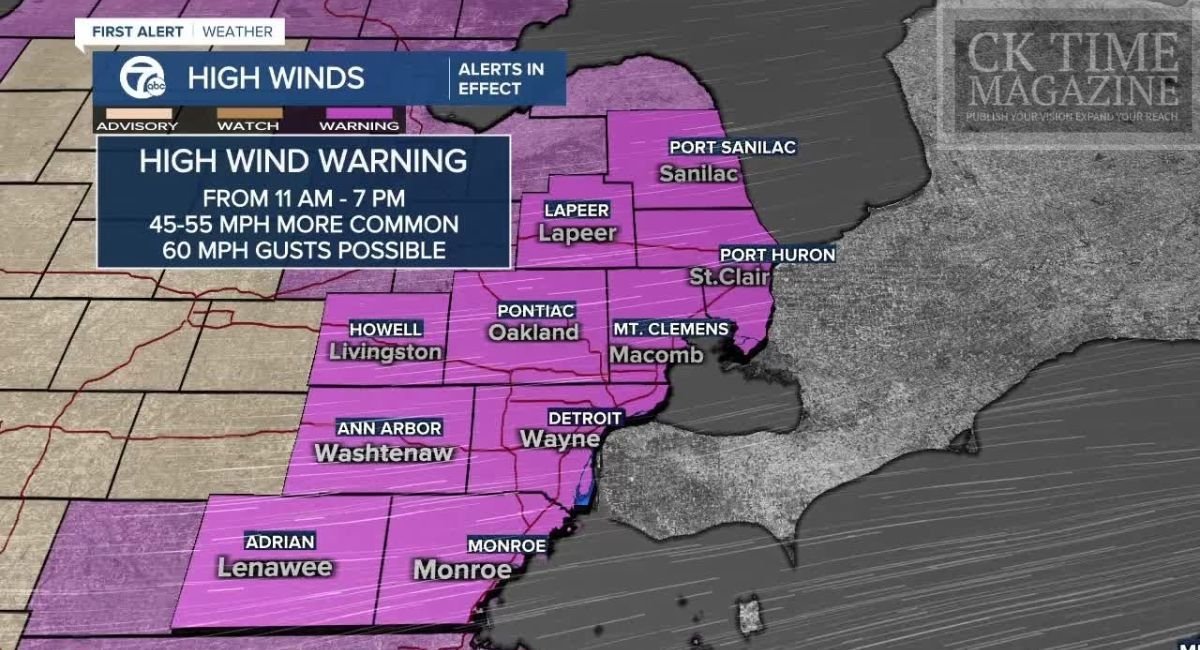
A high wind warning is one of those cautions people frequently underrate. It does n’t sound dramatic like a hurricane warning. It does n’t feel critical like a williwaw watch. Yet when it arrives, everything changes. The air turns aggressive. Trees bend in ways they should n’t. Doors slam shut without authorization. Power lines hum louder than usual. And suddenly, the wind becomes the main character.
Meteorologists issue a high wind warning when sustained winds or important gusts reach dangerous situations. But behind that specialized description is a real story. A story of disintegrated routines, unanticipated damage, and a memorial that nature does n’t need rain or snow to be destructive. occasionally, air alone is enough.
Understanding What a High Wind Warning Really Means
At its core, a high wind warning means conditions are no longer just uncomfortable. They’re dangerous. Winds generally reach sustained pets of 40 long hauls per hour or advanced, with gusts that can fluently exceed 60 long hauls per hour. That kind of force is n’t background noise. It’s pressure. It pushes against structures It challenges motorists It snaps weak branches like dry outgrowths.
People frequently confuse a high wind advising with a wind advisory. The difference matters. Advisories suggest caution. Warnings demand action. When a warning is issued, damage is anticipated. Not possible. Anticipated. Loose objects come shells. Old trees come arrears. trip becomes parlous, especially for high- profile vehicles.
How High Wind Warnings Are touched off by the Atmosphere
The wisdom behind a high wind warning is complex, but the experience is simple. Pressure differences drive wind. When strong pressure systems collide, air rushes to balance effects out. occasionally gently. occasionally violently.
Cold fronts sweeping across warm air millions frequently produce the perfect setup. spurt sluice shifts can consolidate face winds. Mountain regions witness downslope winds that accelerate fleetly. Coastal areas face pressure slants that pull air inland with force. Each script has its own hand, but the result is the same. Wind that does n’t stop knocking.
Meteorologists track these systems carefully. Models update. Warnings go out. And once they do, there’s little stopping what comes next.
The First Signs That a High Wind Event Is Arriving
Before the warning even appears on your phone, the environment usually whispers clues. The air feels restless. Leaves move even when it seems calm. The sky looks stretched. Clouds race instead of drift. Sound carries strangely, sharper, closer.
Gusts slam into walls. Windows rattle. The house creaks in strange ways. outdoors, trash lockers roll like tumbleweeds. Street signs joggle.Trees sway deeper than usual. It’s not chaos yet. But it’s close.
Why High Wind Warnings Are Dangerous Even Without Storms
One of the most misunderstood aspects of a high wind warning is that it doesn’t require storms. No rain No thunder No lightning Just wind.
Falling trees block roads. Power outages spread snappily as lines snap or poles spare. Construction spots come hazard zones. Roof shingles tear down. Weak structures fail. Indeed climbers are at threat, especially in civic areas where debris can fall from over.
Driving becomes a adventure. High- profile vehicles like exchanges, vans, and SUVs struggle to stay centered. unforeseen gusts push them sideways. Islands come especially dangerous. One wrong correction and control is gone.
This is why authorities stress caution. Wind is invisible. You feel it only after it hits.
The Impact of High Wind Warnings on Daily Life
A high wind warning doesn’t just affect weather enthusiasts. It affects everyone. Schools adjust schedules. Outdoor events cancel. Flights delay or divert. Construction halts. Emergency services prepare for increased calls.
For homeowners, the concern is immediate. Patio furniture must be secured. Garbage bins pulled in. Vehicles moved away from trees. Windows checked. Small actions matter when wind speeds climb.
For workers, especially those in outdoor jobs, a high wind warning can mean lost income or increased risk. Roofers, line workers, delivery drivers. Wind doesn’t negotiate. It interrupts.
Stories From Past High Wind Warning Events
Ask anyone who has lived through a severe wind event, and they’ll flash back the sound. That deep, constant roar. Like an ocean overhead. In many regions, historic high wind warnings have caused millions in damage without a single drop of rain.
There are towns that lost power for days. Neighborhoods where old trees crushed cars overnight. Cities where glass shattered from pressure alone. And in some cases, injuries and fatalities occurred simply from being in the wrong place at the wrong time.
Wind doesn’t announce which tree will fall. Or which sign will break loose. It just moves.
How to Stay Safe During a High Wind Warning
Safety during a high wind warning is about expectation, not response. Once the wind is strong, options shrink.
Staying indoors is the safest choice. Down from windows if possible. Outside activities should stop. Driving should be limited. Parking under trees avoided. Temporary structures ignored completely.
Emergency kits matter here too. Power outages are common. Flashlights. Batteries. Charged phones. These aren’t dramatic preparations. They’re practical ones.
Most importantly, people should respect the warning. It exists for a reason.
Why High Wind Warnings Are Becoming More Noticeable
In recent years, high wind warnings seem more frequent. Louder. More disruptive. Part of that is awareness. Better forecasting. Faster alerts. But part of it is environmental change.
Shifting climate patterns influence jet streams. Pressure systems behave differently. Extremes become less rare. Wind events intensify. And communities feel it.
Urban expansion also plays a role. More structures More objects that can be damaged More people affected. What once passed unnoticed now leaves visible scars.
The Emotional Side of Extreme Wind Events
There’s commodity unsettling about wind. You ca n’t see it. You ca n’t stop it You can only hear and feel its force. During a high wind warning, sleep becomes lighter. Every gust feels personal. Every noise suspicious.
Children ask questions. Pets act anxious. Adults pretend calm but listen closely. It’s a shared tension. Quiet. Persistent.
And when it ends, there’s relief. And cleanup.
After the High Wind Warning Ends
Once the warning expires, the damage reveals itself. Broken branches litter streets. Signs lean awkwardly. Power crews work long hours. Insurance claims begin. Life resumes, but slower.
This is when lessons are learned. Or forgotten. Some people secure better. Some ignore it next time. Until the wind returns.
Why Taking a High Wind Warning Seriously Matters
A high wind warning is n’t background noise. It’s not voluntary information. It’s a signal that conditions are dangerous, changeable, and able of causing detriment.
Ignoring it does n’t make you stalwart. It makes you vulnerable.
Wind does n’t watch about schedules. Or confidence. Or experience. It applies force unevenly, without emotion. esteeming that fact is how people stay safe.
Final studies on Living With High Wind Warnings
High wind warnings remind us that not all threats arrive with drama. Some arrive quietly, then grow loud. They test structures They test preparation They test patience.