




Alex Pretti: What Happened, Who He Was, and Why His Death Is Making Headlines
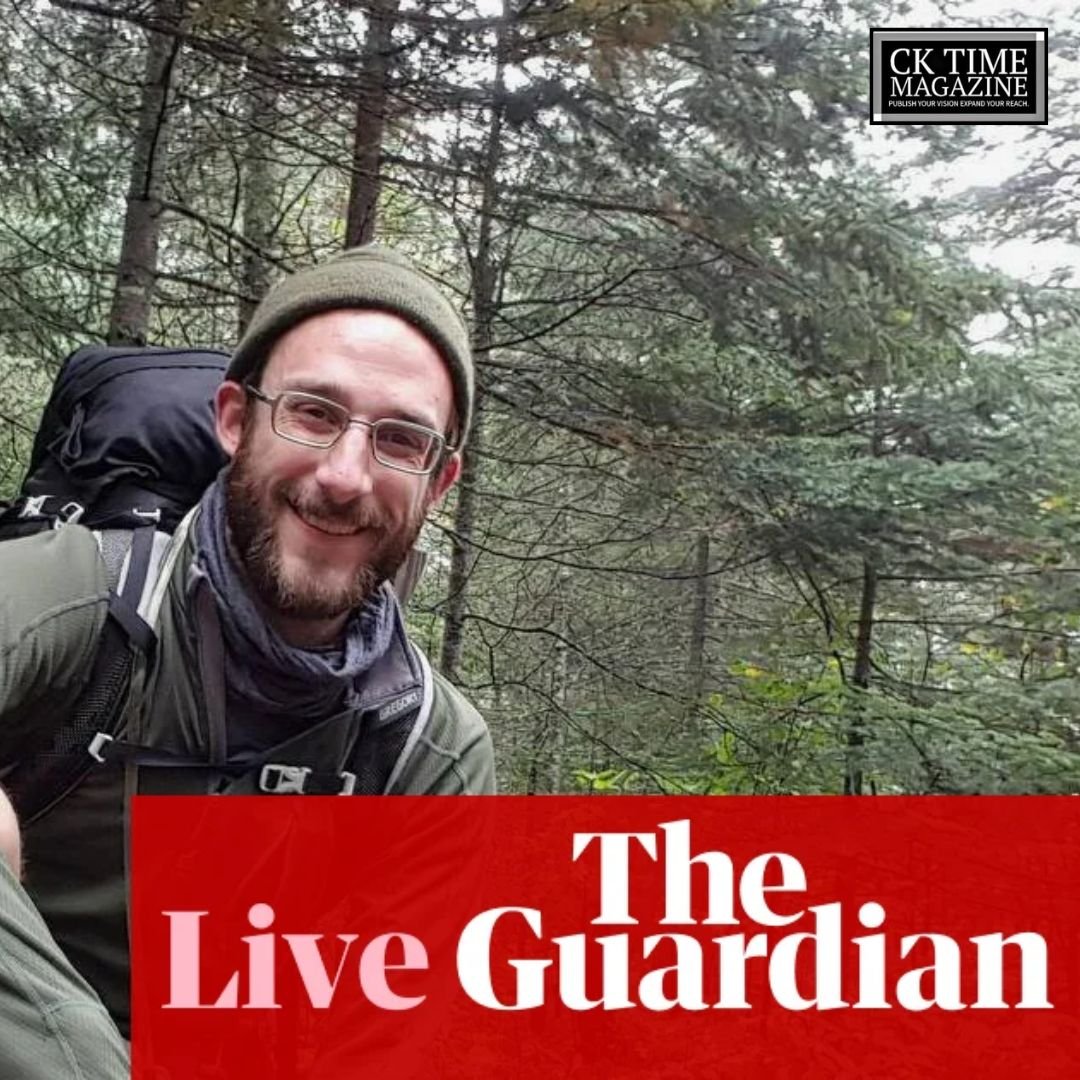
On January 24, 2026, a widely reported and controversial shooting occurred in Minneapolis, Minnesota, involving a man namedAlex Jeffrey Pretti, who was shot and killed by federal agents during a protest. The event has captivated national attention in the U.S., sparked protests, and reignited intense debate about federal law enforcement, immigration enforcement operations, civil liberties, and how protests are policed in America.
This article breaks down everything known so far about Alex Pretti, the circumstances surrounding his death, public reaction, and the wider implications of the incident.
Who Was Alex Pretti?
Alex Jeffrey Pretti was a 37-year-old American citizen who lived in Minneapolis, Minnesota. He worked as an intensive care nurse (ICU nurse) at the Minneapolis Veterans Affairs Health Care System, where he cared for critically ill veterans. Before his nursing career, he also worked as a research scientist and had a long academic background, including earning a degree from the University of Minnesota.
According to family, friends, and colleagues:
- Pretti was described as kind, compassionate, devoted to helping others, and deeply committed to his work caring for sick veterans.
- He was an avid outdoorsman who loved adventure and had a deep connection with his community.
- Despite owning a firearm legally with a permit (Minnesota is an open-carry and permit-to-carry state), family members stated he did not typically carry it, and video from the incident shows him holding a phone.
Pretti had no serious criminal record; past interactions with law enforcement reportedly only involved minor traffic violations.
The Shooting: What Happened on January 24, 2026
The fatal incident occurred during a federal immigration enforcement operation in Minneapolis that had already heightened tensions throughout the city. The operation was part of a broader federal deployment that included thousands of immigration and law enforcement agents sent to Minnesota amid rising protests.
According to official statements and law enforcement accounts:
- Federal agents involved were conducting an immigration enforcement action near Nicollet Avenue.
- The Department of Homeland Security claimed Pretti approached officers with a handgun and “violently resisted” attempts to disarm him.
However, eyewitness videos and civilian testimonies paint a different picture:
- Video evidence reviewed by journalists shows Pretti holding his phone, filming or attempting to help a woman who had been pepper-sprayed by law enforcement.
- Witnesses reported that he did not brandish a weapon or attack officers and that he was tackled to the ground before shots were fired.
Multiple federal agents then fired shots at him; some footage suggests he was struck while on the ground.
The incident quickly became the second fatal shooting by federal agents in Minneapolis in just weeks, following the January 7 death of Renée Good.
Differing Accounts and Controversy
The official federal narrative and eyewitness evidence differ sharply:
Federal government claim:
- DHS officials said Pretti was armed and posed a threat to officers.
Eyewitness and family accounts:
- Bystander videos and witness statements — collected by news outlets and court filings — suggest he was holding a phone, not a weapon, and was trying to help someone during the confrontation.
- Family members and colleagues have strongly rejected federal characterizations that he was “violent” or threatening.
This conflict between official statements and civilian evidence has driven much of the public discourse around the case.
Public Reaction and Protests
Following the shooting:
- Hundreds of protesters gathered in Minneapolis, clashing with federal officers.
- Community members voiced outrage over the use of force and demanded accountability and transparency in federal operations.
Prominent public figures and elected officials also responded, criticizing the government’s handling of the situation and calling for a halt to aggressive enforcement tactics.
The incident has intensified debates around immigration policy enforcement, civil liberties, and federal involvement in local protests.
Legacy and Impact
Alex Pretti’s death has become a focal point in ongoing national conversations about:
- The limits and oversight of federal law enforcement operations
- The treatment of civilians during protests and civil unrest
- The role of eyewitness evidence in shaping public perception of controversial police actions
While investigations and political reactions continue, Pretti’s death has already had a lasting impact on Minneapolis communities and beyond.
Final Thoughts: A Life, A Death, and a Larger Debate
Alex Pretti is remembered by family and colleagues as a compassionate caregiver and community member — a nurse whose professional life was defined by service to others. The circumstances of his death — and the varying narratives surrounding it — have catalyzed broader conversations about how law enforcement engages with civilians during high-tension operations.
At a time when trust in institutions is fragile, the legacy of this event is still unfolding. Public attention remains focused on the facts, the evidence, and the deeper questions raised by this tragic encounter.