




Tech Giants Envision Future Beyond Smartphones
A Quiet Shift the World Barely Noticed
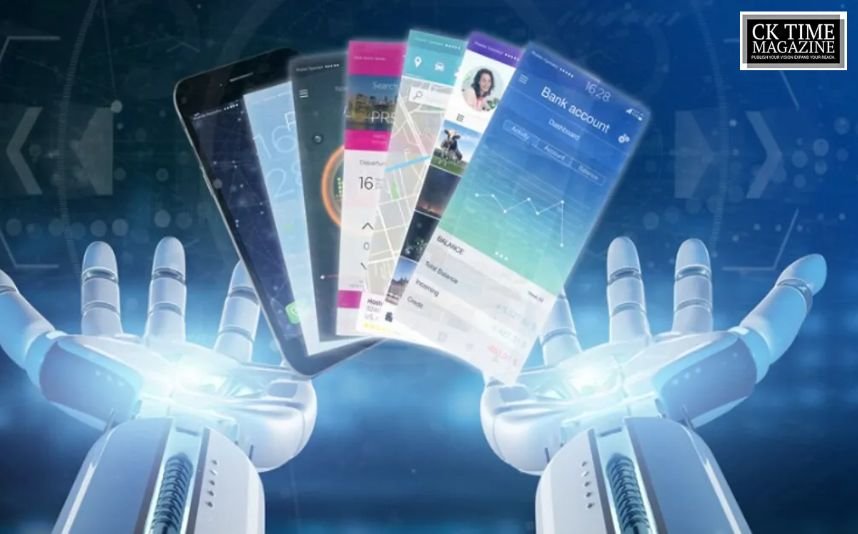
For years, smartphones felt untouchable. They were the center of everything. Work. Social life. Entertainment. Even identity. People measured time, productivity, and relevance through a glowing screen they carried everywhere. But something changed. Slowly at first. Almost politely. Now it is obvious. Tech giants envision future beyond smartphones, and they are already building it. This is not a dramatic breakup with mobile devices. It is more like a long goodbye mixed with careful planning. Smartphones are still here, still powerful, still profitable. Yet inside boardrooms and research labs, the conversation has moved on. Screens are no longer the final destination. They are becoming optional.
Why Smartphones No Longer Feel Revolutionary
The smartphone era matured faster than anyone expected. New models arrive every year, yet excitement feels forced. Bigger cameras. Faster chips. Slightly curved edges. Consumers notice the repetition. Many keep their phones longer now. Innovation feels cosmetic instead of transformational. Tech giants see the numbers. Market saturation is real. Growth curves flatten. When everyone already owns a smartphone, selling the next one becomes harder. This is not failure. It is success reaching its natural limit. And limits force imagination.
The Problem With Living Inside a Screen
Screens solved problems, but they created new ones. Constant notifications. Endless scrolling. Digital fatigue. People are tired of being pulled into rectangles all day. Tech companies see this behavioral shift clearly. Users want technology that supports life, not dominates it. When tech giants envision future beyond smartphones, they are responding to a cultural signal. People want less friction. Less noise. Less staring. More presence. More balance.
The Strategic Language Has Changed
Listen closely to how tech leaders speak today. The words are different. Ecosystems. Experiences. Ambient computing. Spatial intelligence. Artificial intelligence. The smartphone is rarely the hero anymore. It is described as a hub, a node, a companion device. This shift in language matters. It reveals how deeply companies are rethinking interaction. They are not asking how to make better phones. They are asking how to make technology disappear.
Wearables as the Gateway Out of the Pocket
Wearables were the first step. Smartwatches. Fitness trackers. Health bands. Smart rings. These devices quietly reduce dependence on phones. They deliver essential information without demanding attention. A vibration instead of a screen. A glance instead of a scroll. Health data flows passively. Tech giants invest heavily here because wearables teach users a new habit. Technology that works in the background feels natural. Over time, the phone becomes optional for routine tasks.
Health Data Is the New Digital Currency
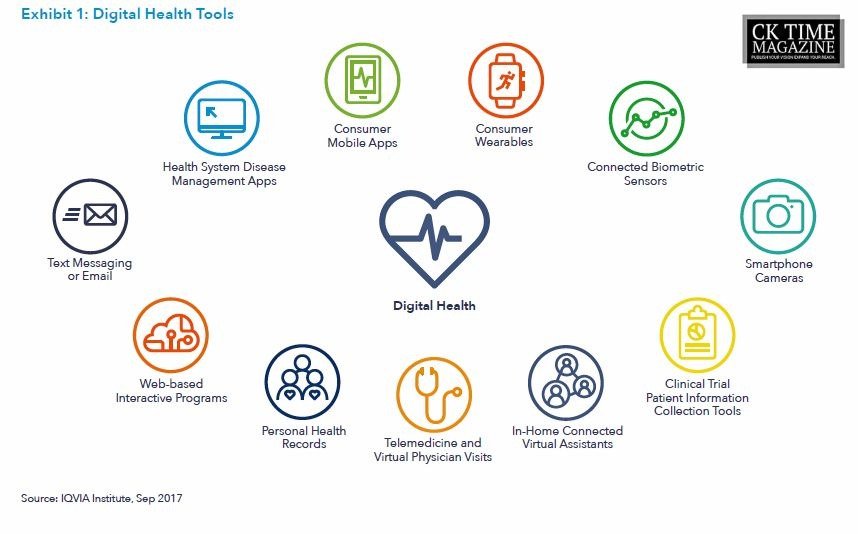
One reason wearables matter so much is health. Heart rate. Sleep cycles. Oxygen levels. Stress patterns. Smartphones could never collect this data effectively on their own. Wearables can. Tech giants envision future beyond smartphones where health becomes a primary platform. Prevention replaces reaction. Data replaces guesswork. This shift changes medicine, insurance, and personal awareness. It also raises serious privacy questions. Power and responsibility grow together.
Augmented Reality and a World That Talks Back
Augmented reality represents one of the boldest steps beyond phones. Instead of pulling information from a pocket, AR places it directly into the environment. Directions appear on streets. Messages float briefly in view. Objects explain themselves. Tech giants envision future beyond smartphones where information is contextual, not searched. Glasses become the interface. The challenge is making them comfortable, stylish, and socially acceptable. Progress is slow, but steady.
Why AR Is Harder Than It Looks
AR is not just a technical problem. It is a human one. People worry about cameras watching them. About data being recorded constantly. About looking strange in public. Tech giants know adoption depends on trust and design, not just features. That is why early AR products feel cautious. Limited. Experimental. The long-term vision is bold, but the path must be subtle.
Virtual Reality as a Testing Ground
Virtual reality is often misunderstood. It is not meant to replace smartphones directly. VR is a laboratory. A place to test interaction without screens. Hands replace taps. Eyes replace cursors. Voice replaces typing. These lessons matter. Even if VR remains niche, the interaction models it develops will shape everyday devices. Tech giants use VR to rehearse the post-smartphone world.
Artificial Intelligence Becomes the Interface
AI changes everything. Instead of navigating apps, users converse with systems. Instead of searching, they are suggested. AI understands habits, preferences, context. When tech giants envision future beyond smartphones, AI is the invisible layer making it possible. Screens become less necessary when systems anticipate needs. The goal is not intelligence that impresses. It is intelligence that fades into normal life.
Voice Technology and Natural Interaction
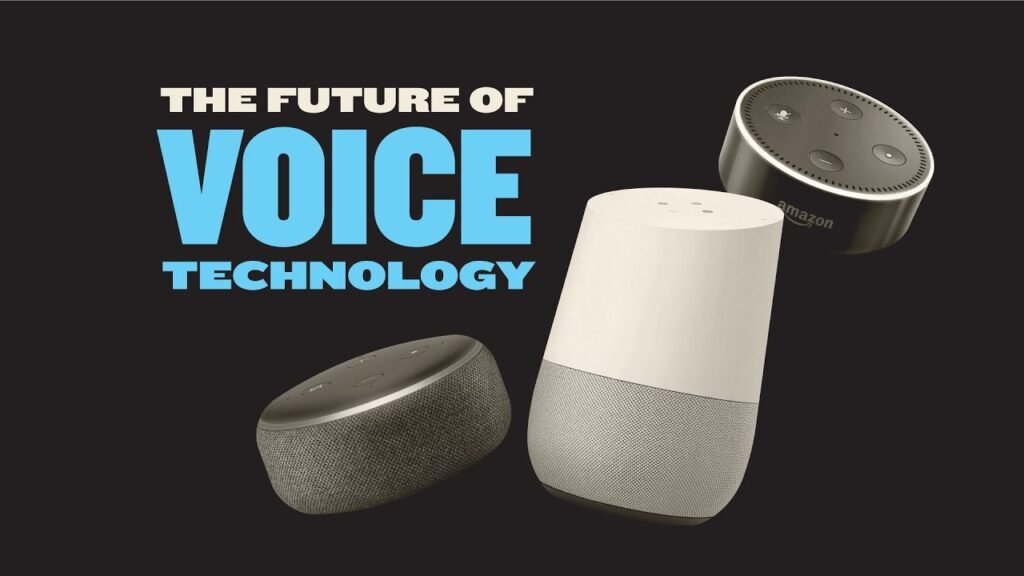
Voice has quietly improved. Early assistants were clumsy. Now they understand nuance, accents, and intent. Voice allows interaction without looking. Without touching. Without stopping. In cars, kitchens, offices, and wearables, voice reduces friction. Tech giants refine it constantly because voice feels human. And humans prefer natural communication over tapping glass.
Ambient Computing Explained Simply
Ambient computing sounds complex, but the idea is simple. Technology that is always there, yet rarely demanding attention. Lights adjust automatically. Music adapts to mood. Information appears only when useful. Tech giants envision future beyond smartphones where systems respond instead of interrupt. This requires sensors, AI, and trust working together. It is powerful. It is also sensitive.
Smart Homes as Early Proof
Smart homes already show this future. Thermostats learn behavior. Security systems act independently. Appliances communicate silently. Control shifts from apps to automation. From commands to routines. Phones still exist, but mostly as backup controls. This pattern will expand beyond homes into offices, cities, and public spaces.
Cars Are Becoming Rolling Computers

Vehicles reveal another post-smartphone shift. Dashboards replace phone mounts. Voice replaces touch. Navigation integrates directly into windshields. Tech giants partner with automakers because cars are perfect environments for ambient computing. Drivers should not stare at phones. The future of mobility depends on removing screens, not adding them.
Brain Interfaces and Long-Term Thinking
Some companies look decades ahead. Brain-computer interfaces sound extreme, but research continues. Thought-based interaction eliminates physical devices entirely. Ethical concerns are massive. Timelines are long. Still, the research signals intent. Smartphones are temporary. Biology is permanent. Tech giants plan accordingly.
New Business Models Take Shape
Beyond smartphones means beyond app stores. Subscriptions grow. Services dominate. Hardware margins shift. Advertising becomes contextual and ambient. Tech giants restructure revenue streams to match this future. Control over platforms matters more than control over devices.
Privacy Becomes the Battleground
As technology embeds deeper, privacy concerns intensify. Always-on devices collect constant data. Wearables track bodies. AI predicts behavior. Trust becomes currency. Tech giants must earn it repeatedly. One major breach could slow adoption for years. Regulation looms large.
Social Acceptance Will Decide Winners
Technology only succeeds when society accepts it. Glasses with cameras. Devices that listen. Systems that anticipate. All of this feels invasive if mishandled. Design, transparency, and cultural sensitivity matter as much as engineering. The smartphone succeeded because it blended in. The next generation must do the same.
Developers Shape the Transition
Developers follow opportunity. New platforms need new software. Spatial apps. Voice-first services. Contextual experiences. Tech giants court developers early, knowing ecosystems win wars. The post-smartphone transition will be messy, fragmented, and competitive.
Education and Work Will Transform

Learning becomes immersive. Training becomes simulated. Meetings become spatial. Information appears when needed. This changes productivity and creativity. It also demands new skills. Attention management becomes essential in a world where technology surrounds rather than interrupts.
Inequality and Access Risks
New technology risks widening gaps. Cost. Infrastructure. Education. Tech giants face pressure to make post-smartphone tools accessible globally. Adoption depends on affordability and openness. Otherwise, progress benefits only a few.
Smartphones Will Not Disappear
Despite everything, smartphones remain useful. Creation. Deep work. Long-form reading. They evolve into hubs rather than centers. Less screen time. More background support. The phone steps back, not out.
Competition Drives Acceleration
Apple integrates tightly. Google leans into AI. Meta bets on immersion. Microsoft focuses on enterprise. Amazon blends commerce and ambient tech. Samsung experiments widely. Each vision overlaps, but competition accelerates progress. No one wants to be late.
Signs the Shift Is Real
Product launches emphasize services over devices. Research budgets shift. Hiring focuses on AI and spatial computing. The clues are everywhere. When tech giants envision future beyond smartphones, they rarely announce it loudly. They build quietly.
Risk of Failure Is Real
Not every bet succeeds. History remembers failed devices. Overhyped concepts. Poor timing. Tech giants hedge carefully. Test markets. Iterate slowly. Flexibility matters more than confidence.
Putting Humans Back at the Center
The stated goal is simple. Reduce friction. Increase presence. Support life instead of consuming it. Whether this vision succeeds depends on choices made now. Attention. Agency. Consent. These values define the post-smartphone era.
Conclusion: A Future That Surrounds Us
The idea thattech giants envision future beyond smartphones is no longer speculation. It is visible strategy. The future is not one device. It is many, working quietly together. Less screen. More context. Less interruption. More intelligence. Smartphones remain, but their reign ends. What comes next is already forming around us, subtle, powerful, and impossible to ignore.
3 thoughts on “Tech Giants Envision Future Beyond Smartphones”