




Brake Tech: A Complete Guide to Modern Brake Technology and the Brake Technician Profession
Introduction: What Brake Tech Really Means Today
Brake tech is no longer just about changing pads and rotors. The term now represents an entire field of technology, skill, and responsibility that keeps vehicles safe on the road. From passenger cars to heavy-duty trucks, braking systems have evolved rapidly, and so has the role of the brake technician. Modern brake tech blends mechanical skill, electronic diagnostics, safety regulations, and precision tools. It is one of the most critical areas in automotive and commercial vehicle maintenance, because when brakes fail, everything fails. Understanding brake tech means understanding safety, engineering, and real-world problem-solving.
The Evolution of Brake Technology
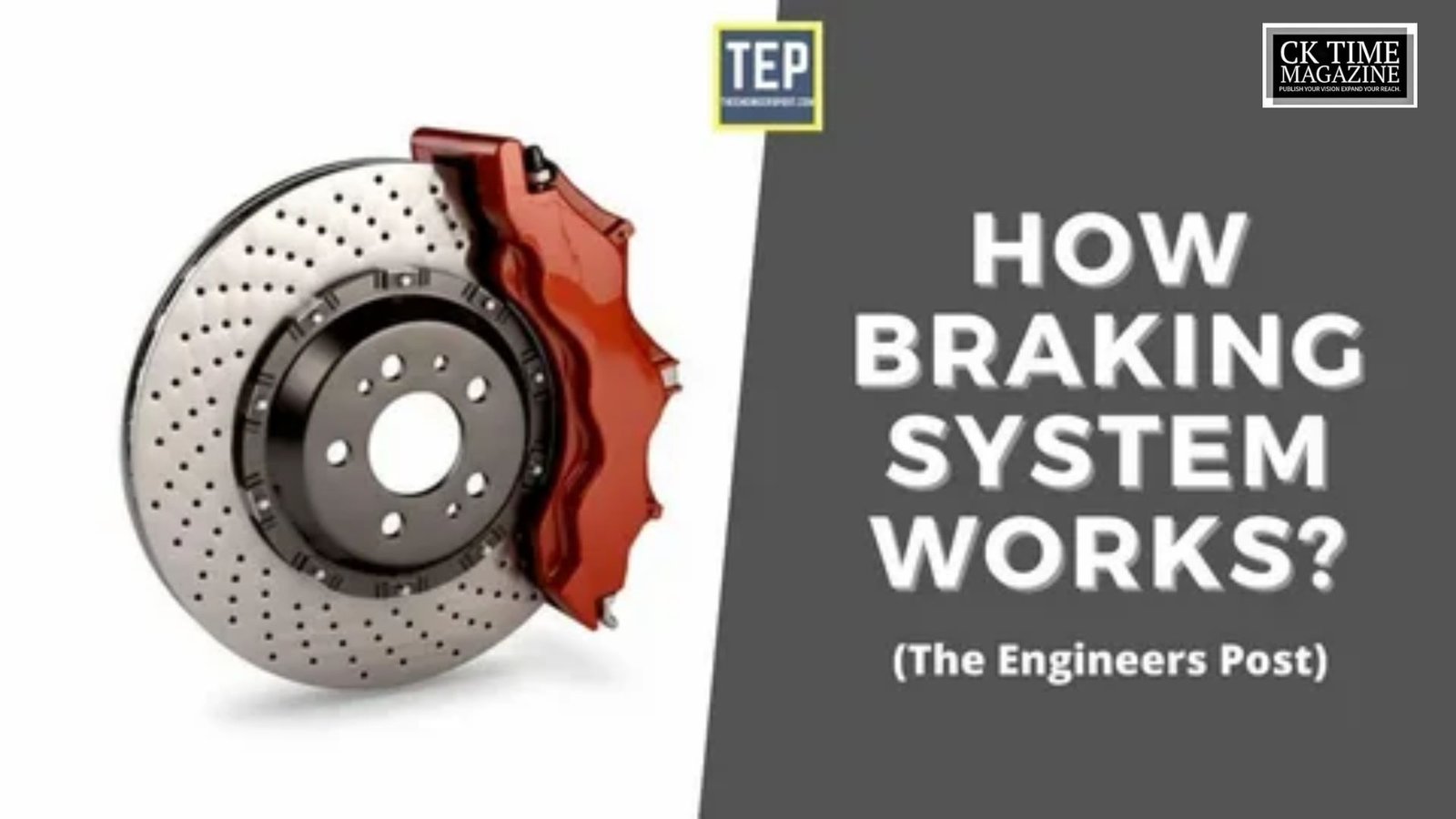
Brake systems have come a long way from simple mechanical setups. Early vehicles relied on basic drum brakes with limited stopping power. As speeds increased and vehicles became heavier, braking systems had to improve. Disc brakes replaced drums in many applications, offering better heat dissipation and performance. Today, brake tech includes advanced systems like ABS, traction control, electronic stability control, and regenerative braking. Each advancement adds complexity, but also increases safety. Brake technicians must constantly adapt to these changes.
What Is a Brake Tech?
A brake tech, short for brake technician, is a professional who specializes in inspecting, diagnosing, repairing, and maintaining braking systems. While many automotive technicians handle brakes as part of general service, brake techs focus deeply on this critical system. They understand mechanical components, hydraulic systems, air brakes, and electronic controls. Their expertise allows them to identify issues that others might miss, ensuring vehicles stop safely under all conditions.
Core Responsibilities of a Brake Technician
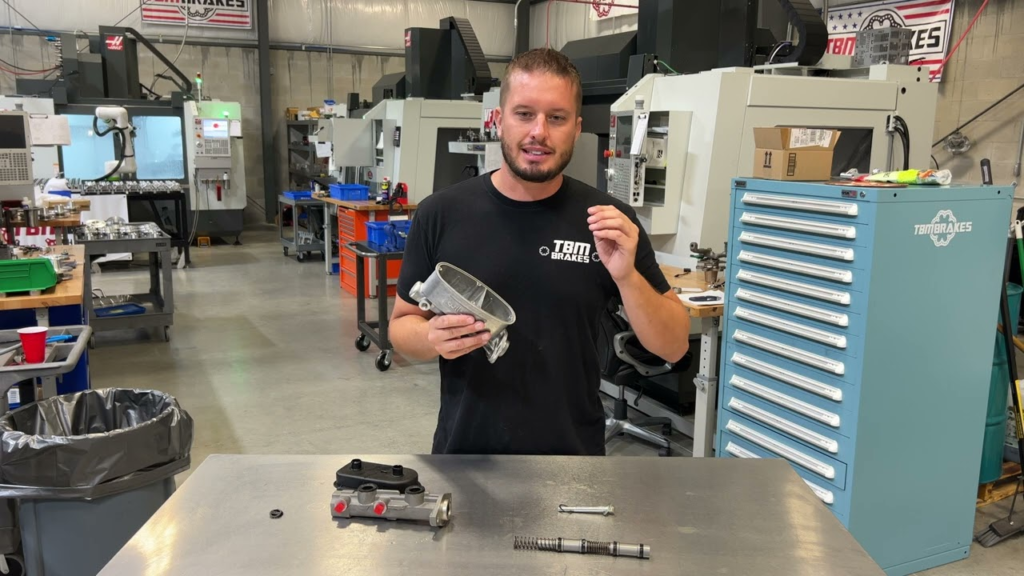
Brake tech work involves much more than part replacement. Technicians inspect brake pads, rotors, calipers, drums, shoes, lines, hoses, and master cylinders. They measure wear, test hydraulic pressure, check for leaks, and diagnose electronic faults. In commercial vehicles, they also work with air brake systems, slack adjusters, brake chambers, and ABS modules. Every inspection requires attention to detail, because small issues can become major hazards.
Understanding Brake Systems: Hydraulic vs Air Brakes
Brake techs often work on both hydraulic and air brake systems. Passenger vehicles typically use hydraulic brakes, which rely on brake fluid pressure to apply stopping force. Commercial trucks and buses use air brakes, which rely on compressed air. Each system has unique components, tools, and safety procedures. A skilled brake tech understands both systems and knows how to service them correctly.
Disc Brakes in Modern Brake Tech
Disc brakes are now standard on most vehicles. They offer consistent braking performance and better heat management. Brake techs working on disc systems service pads, rotors, calipers, and brake fluid. They must also understand issues like rotor warping, pad glazing, and uneven wear. Precision measurements and torque specifications matter greatly in disc brake service.
Drum Brakes and Their Continued Use
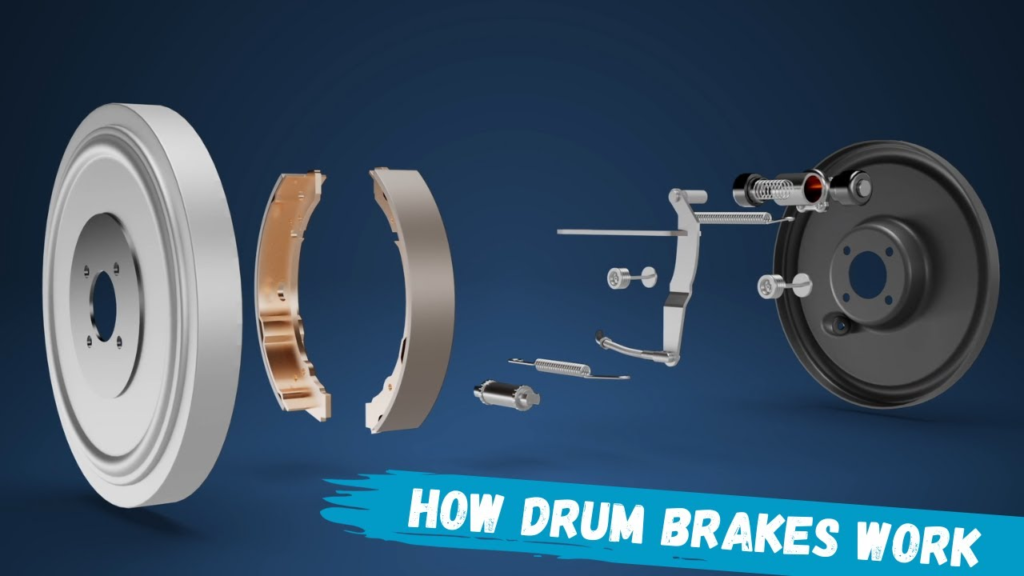
Although disc brakes dominate, drum brakes are still used in many rear axle applications and heavy-duty vehicles. Brake techs must understand drum brake operation, including shoes, springs, adjusters, and drums. Drum systems require careful adjustment to maintain proper braking force. Incorrect setup can cause pulling, overheating, or reduced stopping power.
Anti-Lock Braking Systems (ABS)
ABS is a core part of modern brake tech. These systems prevent wheel lockup during hard braking, improving control and safety. Brake techs diagnose ABS issues using scan tools, sensors, wiring checks, and system tests. Understanding how ABS interacts with mechanical brakes is essential for accurate repairs.
Electronic Stability and Traction Control
Brake tech extends beyond stopping. Electronic stability control and traction systems use brakes to maintain vehicle control. These systems apply braking selectively to individual wheels. Brake techs must understand how sensors, modules, and actuators work together. Diagnosing these systems requires both mechanical knowledge and electronic skills.
Brake Tech Tools and Equipment
Professional brake techs rely on specialized tools. Brake caliper tools, pad spreaders, rotor measuring tools, torque wrenches, pressure testers, and scan tools are essential. For air brakes, slack adjuster tools, pressure gauges, and caging tools are required. Quality tools improve accuracy, safety, and efficiency.
Diagnostic Skills in Brake Tech
Modern brake problems are not always visible. Warning lights, sensor faults, and intermittent issues require diagnostic thinking. Brake techs analyze symptoms, interpret data, and test systems methodically. Guesswork has no place in brake diagnostics. Precision protects lives.
Safety as the Core of Brake Tech
Safety is central to brake tech work. Technicians handle heavy components, pressurized systems, and hazardous materials. Proper procedures, protective equipment, and attention to detail are essential. A brake tech understands that rushing a job or skipping steps can have serious consequences.
Brake Tech in Commercial and Heavy-Duty Vehicles
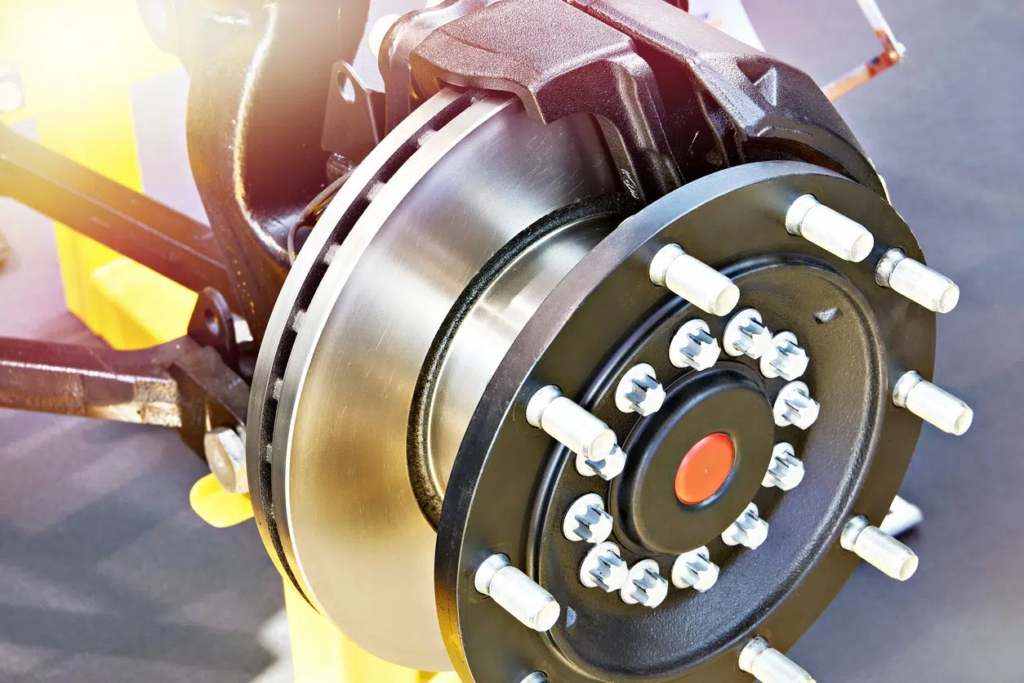
Commercial brake techs face additional challenges. Heavy-duty vehicles use air brakes, larger components, and stricter regulations. Inspections must meet legal standards. Brake failures in commercial vehicles can cause severe accidents. This makes commercial brake tech work highly specialized and in demand.
Training and Education for Brake Techs
Becoming a brake requires training. Many start with automotive technology programs or apprenticeships. Certifications demonstrate competence and increase earning potential. Ongoing education is necessary as brake technology evolves. Successful brake techs never stop learning.
Certifications and Career Advancement
Certifications validate skills. Automotive and commercial certifications show employers and customers that a brake tech meets industry standards. Advanced certifications open doors to supervisory roles, training positions, and higher pay. Career growth is closely tied to skill development.
Brake Tech Salaries and Job Outlook
Brake techs are in steady demand. As vehicles increase in number and complexity, skilled technicians remain essential. Salaries vary by location, experience, and specialization. Commercial and advanced brake techs often earn more due to higher responsibility and technical demands.
Common Challenges in Brake Tech Work
Brake tech work can be physically demanding. Heavy parts, tight spaces, and time pressure are common. Diagnosing complex electronic issues can also be challenging. However, the satisfaction of ensuring vehicle safety makes the work rewarding for many professionals.
Customer Trust and Professionalism
Brake techs often explain safety issues to customers. Clear communication builds trust. Professional behavior, accurate diagnoses, and quality workmanship lead to repeat business. A brake tech’s reputation is built one job at a time.
The Role of Technology in the Future of Brake Tech
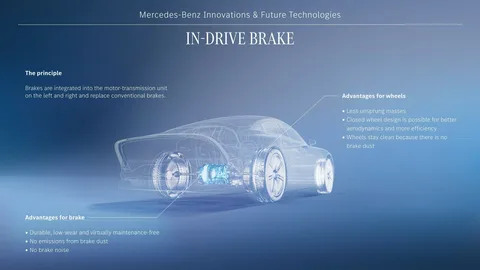
Brake technology continues to evolve. Electric vehicles introduce regenerative braking systems. Advanced driver assistance systems rely on precise braking control. Brake techs must adapt to software updates, sensors, and new materials. The future demands both mechanical and digital skills.
Electric and Hybrid Vehicle Brake Systems
Electric and hybrid vehicles use braking differently. Regenerative braking reduces wear on traditional components but adds complexity. Brake techs must understand how regenerative systems integrate with mechanical brakes. Specialized training is becoming increasingly important.
Workplace Environments for Brake Techs
Brake techs work in dealerships, independent shops, fleet maintenance facilities, and inspection centers. Each environment has different expectations and equipment. Some techs prefer fast-paced retail shops, while others choose structured fleet maintenance roles.
Building a Long-Term Career in Brake Tech
A successful brake career is built on skill, reliability, and learning. Investing in tools, training, and certifications pays off. Many experienced brake techs move into leadership, training, or consulting roles. The field offers long-term stability for those committed to excellence.
Ethical Responsibility in Brake Tech
Brake techs carry ethical responsibility. Recommending unnecessary repairs or ignoring safety issues damages trust. Honest assessments protect customers and uphold professional standards. Ethics are as important as technical skill.
Why Brake Tech Remains Essential
No matter how advanced vehicles become, braking systems remain critical. Automation may assist, but skilled brake techs are irreplaceable. Their expertise ensures safety, compliance, and performance. Brake is not a fading trade. It is an evolving profession.
Final Thoughts: Brake Tech as a Pillar of Road Safety
Brake tech represents one of the most important areas of vehicle maintenance. It combines mechanical precision, electronic diagnostics, safety awareness, and ethical responsibility. As vehicles continue to evolve, brake technicians will remain essential guardians of road safety. For those willing to learn and adapt, brake offers a challenging, respected, and stable career path.

One thought on “Brake Tech: A Complete Guide to Modern Brake Technology and the Brake Technician Profession”