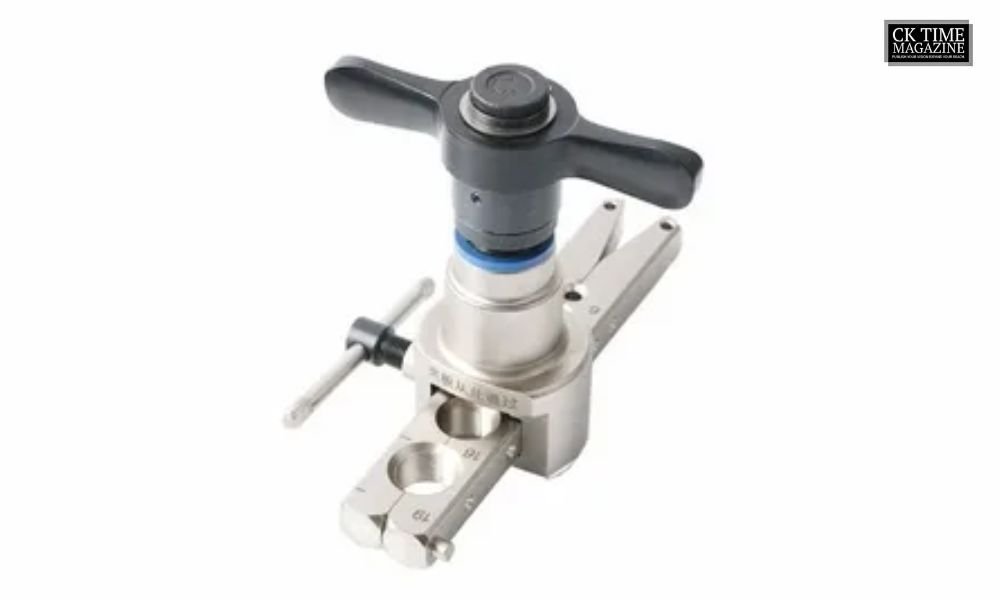




Car Air Conditioning Tools: The Complete Guide for Technicians and DIYers
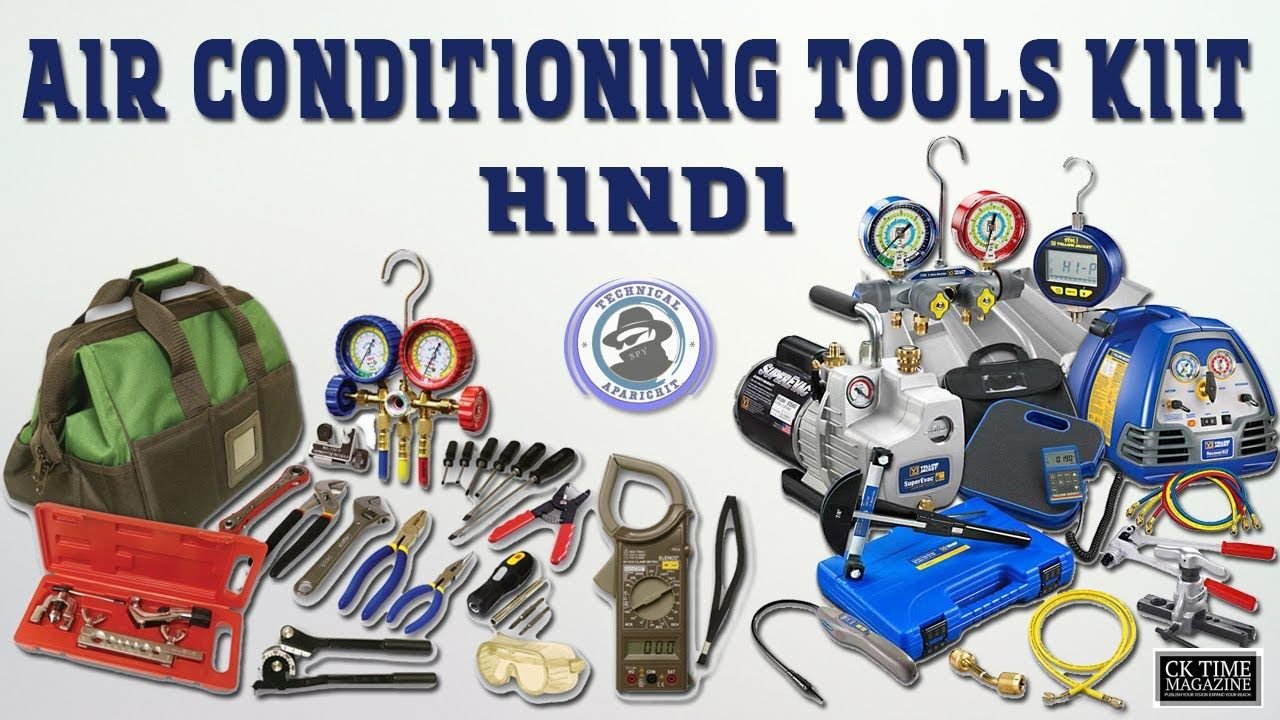
Introduction: Why Car Air Conditioning Tools Matter
Car air conditioning systems are no longer luxury add‑ons — they are expected features. Whether you’re a professional auto technician or a DIY enthusiast working on your own vehicle, understanding car air conditioning tools is essential. These tools not only help diagnose problems but also ensure repairs are done safely, accurately, and in compliance with environmental regulations. From basic gauges to advanced leak detectors and evacuation pumps, the right tools make the difference between a temporary fix and a job done right.
Most people don’t realize it, but automotive A/C systems are complex. They involve refrigerants, pressure conversions, electrical sensors, valves, and precision components that don’t tolerate guesswork or shortcuts. That’s why professionals invest in quality tools, and why it’s important to know what those tools are, how they work, and why they matter.
The Role of A/C Tools in Automotive Repair
Car air conditioning tools serve several important functions. Some tools measure pressure, others detect leaks, and still others help with evacuation, charging, and system calibration. Without the proper tools, technicians rely on educated guesses — and that’s not good enough in modern auto service. Leaks go unnoticed, systems get undercharged or overcharged, components fail prematurely, and vehicles return to the shop again and again. Quality tools provide accurate data, help maintain system integrity, and protect the technician from harm.
Moreover, working with refrigerants without proper tools can be environmentally dangerous. Refrigerants like R‑134a and R‑1234yf require careful handling because they contribute to global warming if released. Tools help contain and recycle refrigerant, protect the environment, and comply with legal requirements.
Basic Tools Every Technician Should Have
Before getting into advanced diagnostics, there are basic tools every technician working with car A/C systems should own. These are the foundation of effective service and often the first tools purchased by beginners and experienced pros alike. They include manifold gauge sets, pressure testing kits, refrigerant scales, wrenches, and basic temperature probes that provide the starting point for any diagnosis.
These tools help determine whether compressors are working properly, if pressure relationships behave as expected, or if a system shows signs of blockage or low refrigerant charge. While they might seem simple, they provide essential data that forms the basis of more advanced analysis.
Manifold Gauge Sets: The Heart of A/C Diagnostics
Among car air conditioning tools, the manifold gauge set is the most fundamental. These gauges measure the high and low side pressures in the A/C system. By connecting to service ports on the vehicle, technicians can observe how the system behaves under load and determine if it’s functioning within expected parameters. Pressure readings help identify leaks, blockages, compressor issues, and other common problems.
Digital manifold gauges have become popular because they offer greater accuracy and can connect to computers or mobile devices for logging and analysis. These aren’t cheap tools, but they are indispensable. Inadequate gauges lead to misdiagnosis, especially in systems with tight pressure tolerances.
Vacuum Pumps and Evacuation Tools
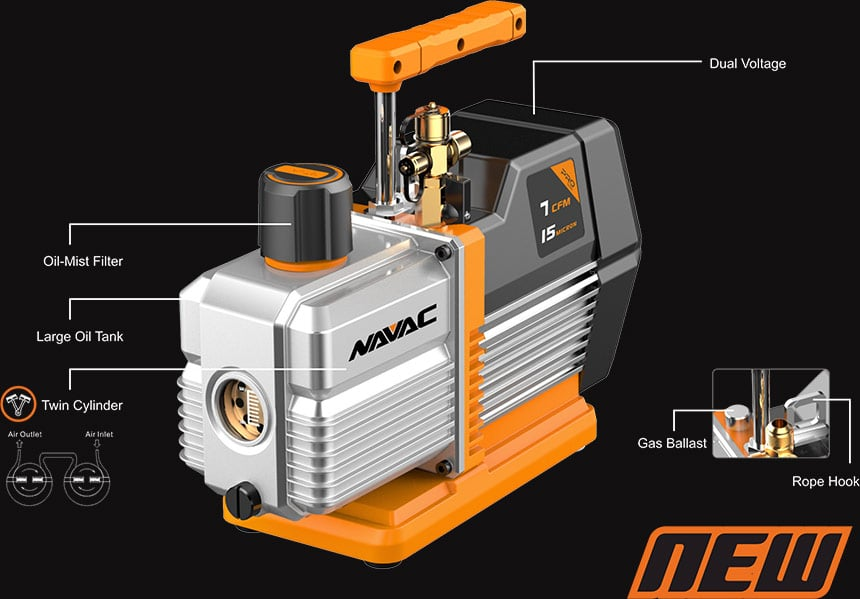
Before charging a car air conditioning system with refrigerant, the system must be evacuated to remove moisture and air. Moisture interferes with cooling performance and can cause corrosion inside the system. That’s where vacuum pumps come in. A high‑quality vacuum pump extracts air and moisture down to the required microns, ensuring the system is clean and ready for refrigerant.
Micron gauges are often used alongside vacuum pumps to verify that the evacuation reaches the correct vacuum level. Without reaching proper vacuum, charging the system wastes refrigerant and risks poor cooling and premature component failure.
Refrigerant Charging Stations and Electronic Scales
Once a system is evacuated, it must be charged with the correct amount of refrigerant. Too little, and cooling performance suffers. Too much, and components can be stressed, reducing efficiency and possibly damaging the compressor. Electronic refrigerant charging stations use digital scales to measure refrigerant precisely while pumping it into the system. These tools often include features to heat or cool refrigerant canisters to maintain correct pressure conditions during charging.
Accurate charging tools are especially important with newer refrigerants like R‑1234yf, which require precise control and safety protocols.
Leak Detection Tools: Finding What’s Hidden
Leaks are one of the most common causes of A/C failure. Some leaks are large and obvious, but many are small and hidden inside hoses, O‑rings, fittings, and evaporators. A variety of leak detection tools exist to help technicians find these problems:
- Electronic refrigerant leak detectors: Sense refrigerant molecules in the air at extremely low concentrations
- UV dye kits: Inject a fluorescent dye into the system and use a UV light to make leaks visible
- Ultrasonic leak detectors: Hear high‑frequency sounds created by leaking gases under pressure
Modern tools make it possible to find even hard‑to‑see leaks quickly, reducing guesswork and repeat visits.
Temperature and Heat Measurement Devices
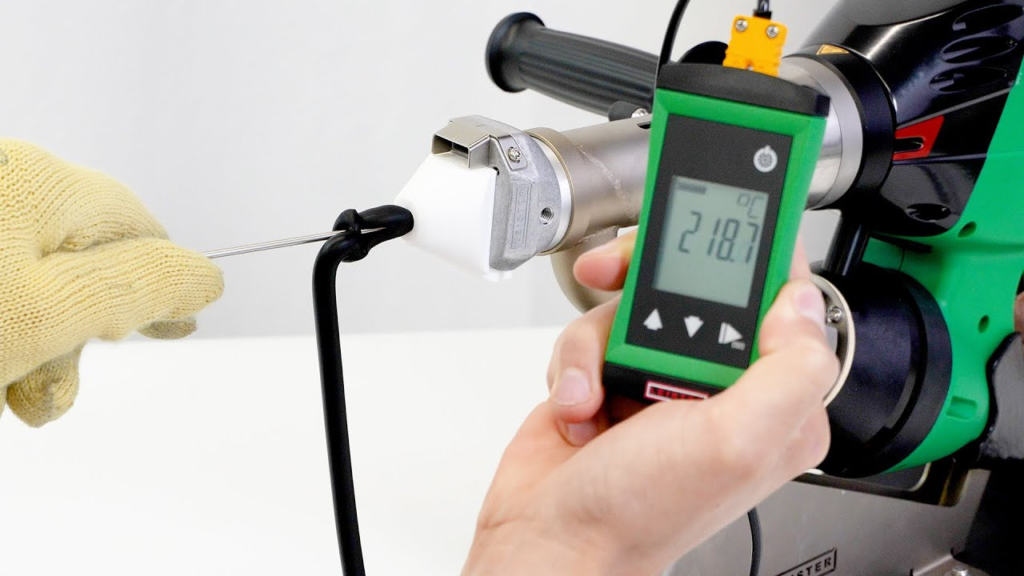
Heat is a key indicator of how well an A/C system is functioning. Thermometers, infrared temperature guns, and thermal imaging devices help technicians measure inlet and outlet air temperatures, surface heat on evaporators and condensers, and discharge temperatures from compressors.
These readings help determine cooling effectiveness, subcooling values, and whether components are operating in expected ranges. Without temperature measurement, technicians are left with pressure data alone, which tells only part of the story.
Specialty Tools for Compressors and Clutches
Modern compressors and clutches have specific diagnostic needs. Tools designed to engage and test compressor clutches, check current draw, and measure electrical resistance help determine whether a compressor is functioning correctly or if an electrical issue exists. These specialized instruments go beyond basic tools and are essential for high‑end diagnostics in professional settings.
Safety Equipment: Protecting Technicians and Vehicles

Car air conditioning tools include not just mechanical instruments but also safety gear. Eye protection, gloves rated for refrigerant work, and respirators protect technicians from harmful contact with refrigerants and pressurized systems. Handling refrigerants improperly can cause frostbite‑like injuries or respiratory irritation. Safety equipment should be treated as part of the necessary toolkit, not optional gear.
Portable Kits vs Shop‑Grade Rigs
Depending on the environment, technicians might choose portable tool kits or full shop units. Portable car air conditioning tools are useful for field service, mobile mechanics, and situations where space is limited. Shop‑grade rigs, on the other hand, offer integrated vacuum, charging, and leak detection in one station and are ideal for larger garages or high‑volume environments.
Understanding the differences helps professionals choose tools that match their workflow and budget.
Advanced Diagnostics: Software and Data Logging Tools
As vehicles become smarter, car air conditioning systems are increasingly controlled by electronic systems and sensors. Diagnostic scan tools that read vehicle codes, interface with HVAC control modules, and provide live sensor data are now essential parts of the toolbox. These software tools connect to the vehicle’s OBD‑II port and help diagnose issues that tools alone can’t detect — such as failed actuators, sensor errors, and control module faults.
Using diagnostics alongside traditional tools gives a full picture of system health.
Calibration Tools and Service Aids
Some tools help calibrate components after repair. For example, certain temperature sensors and evaporator controls require calibration to match the rest of the system. Calibration tools ensure that new parts integrate correctly, reducing customer comebacks and improving long‑term reliability.
Maintaining and Caring for A/C Tools
Like any precision instruments, car air conditioning tools need maintenance. Gauges should be checked for accuracy regularly. Vacuum pump oil should be changed per manufacturer recommendations. Leak detector sensors require calibration. Ignoring tool care leads to inaccurate readings and poor repairs. Quality tools last years but only if maintained.
Choosing the Right Tools for Your Needs
Not all technicians need the same tools. Beginners may start with basic manifold gauges, a vacuum pump, and a leak detector. Professional shops benefit from integrated charging stations and advanced diagnostics. Understanding your workload and typical repair needs helps you make smart buying decisions and build a tool kit gradually rather than overspending upfront.
The Future of Car A/C Tools
As vehicles evolve — especially with electric and hybrid models — car air conditioning tools also change. Systems with new refrigerants, electronically controlled valves, and integrated climate controls require smart diagnostic tools and updated charging stations. Technicians must stay informed and adapt their toolkits to keep up with technology.
Final Thoughts: Car Air Conditioning Tools Define Quality Repairs
At its core, car air conditioning work is about comfort, safety, and performance. The right tools help technicians deliver reliable service that keeps customers cool and satisfied. Whether you are a seasoned pro in a busy shop or a dedicated DIYer working on your own vehicle, investing in quality car air conditioning tools pays dividends in accuracy, speed, and confidence. A/C systems demand precision — and the right tools make that precision possible.