




Technician Gear: Essential Tools and Equipment for Every Professional
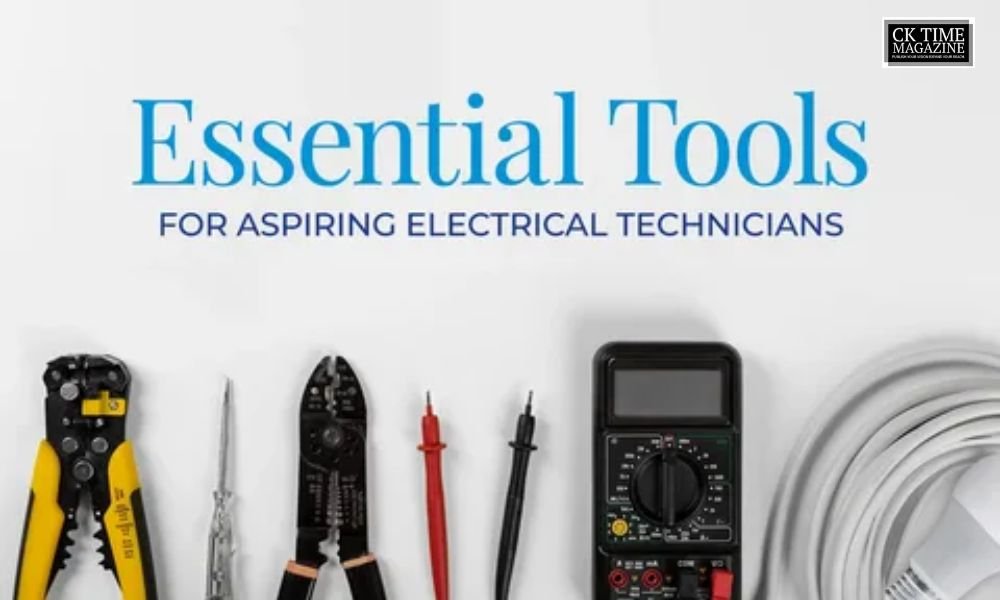
In today’s fast-paced technical industries, having the right technician gear can mean the difference between efficiency and frustration, precision and error, success and wasted time. From IT professionals to automotive mechanics, HVAC specialists to electronics repair technicians, every professional relies on high-quality gear to perform their work safely, effectively, and efficiently. Technician gear includes everything from hand tools and protective equipment to specialized instruments that allow professionals to tackle complex tasks with confidence.
What Is Technician Gear?
Technician gear refers to the collection of tools, devices, and protective equipment that a professional technician uses to perform their daily tasks. Unlike casual tools or household equipment, technician gear is purpose-built for precision, durability, and functionality. This can include hand tools like screwdrivers and pliers, diagnostic devices, electronics repair kits, safety gloves, protective eyewear, and wearable technology like smart watches or portable scanners. The goal is to create a complete toolkit that supports every aspect of a technician’s workflow.
Why Technician Gear Is Essential
Precision and safety are at the core of why technicians need specialized gear. Whether calibrating delicate electronics, repairing vehicles, or maintaining HVAC systems, mistakes can be costly — financially, operationally, and even physically. Proper technician gear ensures tools are organized, accessible, and capable of performing the required task with minimal error. Beyond functionality, good gear also enhances ergonomics, reduces fatigue, and improves overall productivity, especially during long workdays.
Core Components of Technician Gear
Every professional technician relies on a combination of essential gear components:
- Hand Tools: Screwdrivers, pliers, wrenches, cutters, and hammers designed for precision and durability.
- Power Tools: Cordless drills, impact drivers, and rotary tools that save time on repetitive or heavy-duty tasks.
- Diagnostic Tools: Multimeters, oscilloscopes, code readers, and thermal cameras for troubleshooting and testing.
- Protective Equipment: Gloves, safety glasses, knee pads, and anti-static wristbands to ensure safety on the job.
- Organizational Gear: Tool bags, portable toolboxes, modular organizers, and labeled storage for quick access and transport.
Together, these components make up a professional technician’s essential kit.
Technician Gear for Electronics and IT
For electronics repair technicians and IT specialists, precision is paramount. Technician gear for these professionals often includes micro screwdrivers, anti-static mats, soldering kits, magnifying lenses, and ESD-safe tools. Diagnostic software and network testing devices also play a critical role. Well-organized gear ensures that small components, such as microchips, resistors, or connectors, are handled safely without risk of loss or damage.
Technician Gear for Automotive and Mechanical Work
Mechanics and automotive technicians rely on gear that can withstand heavier use and rough environments. This includes ratchets, torque wrenches, diagnostic scan tools, pneumatic devices, creepers, and durable protective gloves. Rolling tool carts and sturdy bags allow mechanics to move essential tools efficiently across the garage. Durable technician ensures that even heavy-duty repairs can be performed quickly and safely.
Technician Gear for HVAC and Field Service
Technicians working in HVAC, plumbing, or field service need gear that combines portability with functionality. Lightweight tool bags, multi-tools, portable diagnostic devices, and protective wear are key. Technicians often work in tight spaces, outdoors, or on elevated surfaces, so ergonomics and safety features in their gear are crucial. High-quality technician gear reduces strain, protects the technician from hazards, and ensures repairs are done correctly on the first attempt.
Organizing and Maintaining Technician Gear
Good technician gear isn’t just about buying the right tools — it’s about keeping them organized and maintained. Proper storage in tool chests, modular bags, and labeled compartments reduces time spent searching for tools and prevents damage. Routine cleaning, calibration of diagnostic instruments, and inspection of protective equipment ensure gear remains reliable and functional. A well-maintained toolkit extends the lifespan of tools and ensures consistent performance in every job.
Investing in Quality Technician Gear
While it may be tempting to buy cheaper tools, investing in high-quality technician gear pays off in the long term. Durable tools last longer, perform more reliably, and provide better precision. Ergonomically designed gear reduces fatigue and prevents injuries, while professional-grade diagnostic devices improve accuracy and efficiency. Investing in reliable technician is an investment in professional reputation, workflow efficiency, and overall productivity.
Benefits of Using Professional Technician Gear
Using professional technician gear offers multiple advantages:
- Efficiency: High-quality tools allow faster completion of tasks.
- Precision: Specialized gear ensures accuracy in repairs, testing, and installations.
- Safety: Protective gear and ergonomic design reduce the risk of injury.
- Reliability: Durable equipment lasts longer and withstands heavy use.
- Professionalism: Organized and functional gear enhances credibility with clients and employers.
Technician gear is an investment that directly impacts job performance and customer satisfaction.
The Future of Technician Gear
As industries evolve, technician gear is becoming smarter, more portable, and technology-driven. Expect innovations such as integrated diagnostic devices, wearable tools that monitor performance, smart tool organizers, and enhanced modular systems. The next generation of technician gear will combine traditional precision tools with digital connectivity, AI diagnostics, and advanced ergonomics to optimize workflow in every technical profession.
Final Thoughts on Technician Gear
Technician gear is more than just a collection of tools — it is the backbone of professional technical work. From electronics repair to automotive service, HVAC maintenance to IT troubleshooting, having the right gear ensures precision, safety, and efficiency. Investing in high-quality technician not only improves workflow but also enhances professional credibility, reduces errors, and ensures that every task is completed effectively. In today’s fast-paced technical world, the right gear is no longer optional — it’s essential.