



Inter Miami vs Tigres UANL Timeline: A Complete Match History, Key Moments, and Tactical Breakdown
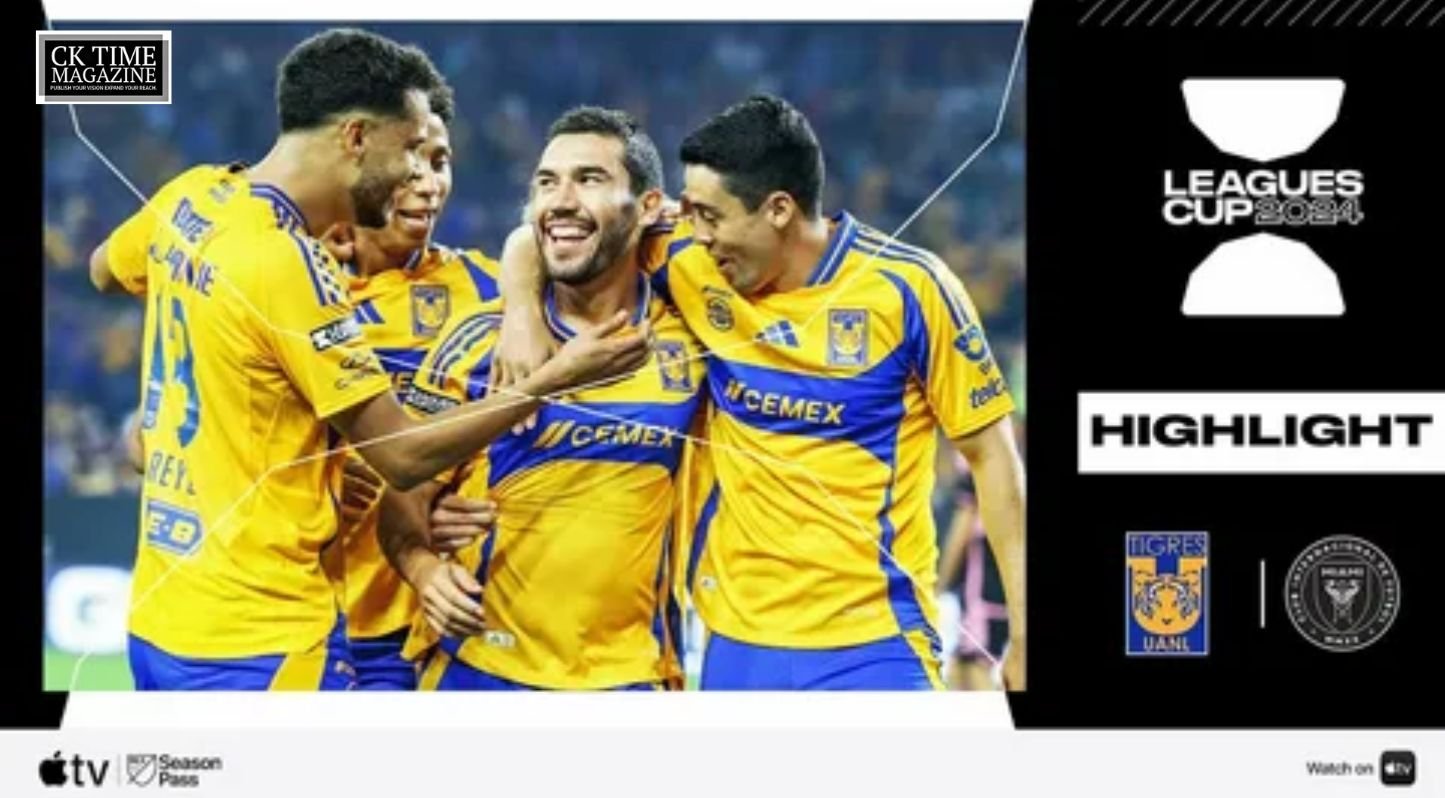
The clash between Inter Miami CF and Tigres UANL represents more than just a cross-league encounter. It reflects the growing rivalry between Major League Soccer and Liga MX, two competitions that have steadily increased their competitive intensity through tournaments such as the Leagues Cup and international friendlies. Whenever these two sides meet, the match carries tactical intrigue, star power, and continental pride.
This in-depth timeline explores every phase of their encounters, from pre-match buildup to final whistle drama, tactical adjustments, defining moments, and long-term implications. It provides a chronological narrative while analyzing the strategies, momentum shifts, and psychological battles that shaped the contest.
Pre-Match Context and Build-Up
Before kickoff, anticipation typically centers around contrasting football identities. Inter Miami, a rapidly rising MLS club with global attention and attacking ambition, often approaches international fixtures eager to prove its competitiveness against Liga MX powerhouses. Tigres UANL, by contrast, enters with a legacy of continental experience, multiple domestic titles, and a reputation for tactical discipline and resilience.
In the days leading up to the match, media coverage highlights key narratives. Analysts discuss midfield battles, defensive organization, and how Inter Miami’s fluid attacking style might fare against Tigres’ structured pressing and experienced backline. Supporters from both sides frame the encounter as a test of league strength. Ticket demand rises quickly, social media engagement spikes, and training sessions intensify.
The atmosphere before kickoff reflects continental rivalry. MLS versus Liga MX is not simply about one game; it symbolizes regional supremacy.
Kickoff: The Opening Minutes
From the opening whistle, the intensity is immediate. Inter Miami often begins with aggressive possession play, attempting to establish rhythm through short passes and wide build-up channels. Tigres responds with measured pressure, focusing on compact defensive lines and quick transitions.
In the first ten minutes, the tempo usually reveals both teams’ intentions. Inter Miami pushes forward with width, using overlapping fullbacks and midfield rotations. Tigres absorbs pressure patiently, waiting for counterattacking opportunities. Early fouls, midfield duels, and tactical adjustments set the tone.
The crowd noise becomes a factor. Every interception is celebrated. Every attacking run raises tension. The match feels balanced but charged with expectation.
15th Minute: First Major Chance
Around the quarter-hour mark, the first genuine scoring opportunity emerges. Inter Miami may carve open space with a quick combination at the edge of the penalty area. A through ball splits defenders. A shot follows. The goalkeeper reacts sharply.
Tigres responds within minutes. A swift transition catches Miami’s defense off balance. A winger accelerates down the flank. A cross finds a striker in the box. The header narrowly misses the post.
Momentum begins to swing. Neither side dominates fully. Instead, the timeline reveals alternating phases of control.
25th Minute: Tactical Adjustments
By the midpoint of the first half, managers recognize emerging patterns. If Inter Miami struggles to break Tigres’ defensive block, midfield positioning shifts slightly deeper to stretch the formation. Tigres may compress central space further, forcing Miami wide.
Subtle tactical changes often define this period. Defensive midfielders drop closer to center-backs. Wingers track back more aggressively. The match transforms from open play into strategic maneuvering.
This phase highlights the chess match between coaching staffs.
35th Minute: Opening Goal
The breakthrough typically arrives through persistence rather than pure luck. Suppose Inter Miami capitalizes on sustained pressure. A corner kick is delivered precisely. A defender rises above the crowd. The ball strikes the net.
The stadium erupts.
Alternatively, Tigres might exploit a defensive lapse. A turnover in midfield leads to a swift counterattack. Two quick passes dismantle Miami’s backline. A composed finish gives Tigres the lead.
Whichever side scores first gains psychological momentum. The timeline pivots. Defensive urgency increases. The trailing team pushes numbers forward.
Halftime: Strategic Reflection
At halftime, the scoreline reflects the balance of play. Whether 1–0 or level, both managers reassess strategy. Inter Miami often emphasizes maintaining possession while increasing vertical penetration. Tigres focuses on discipline and controlled aggression.
Locker room adjustments may include substitution plans, formation tweaks, or specific instructions targeting weaknesses observed in the first half.
Halftime represents a reset point in the timeline. The next forty-five minutes will redefine the narrative.
Second Half: Renewed Intensity
The opening moments of the second half frequently carry renewed urgency. The trailing side increases pressing intensity. The leading team prioritizes defensive solidity while seeking counter opportunities.
Inter Miami’s attacking identity typically resurfaces with high tempo passing and dynamic wing play. Tigres counters with experienced composure, slowing the game when necessary and controlling transitions.
Physicality increases. Fouls become tactical rather than accidental. Yellow cards may appear as players attempt to halt momentum.
60th Minute: Substitutions Change the Flow
Around the hour mark, substitutions begin to influence the match. Fresh legs bring energy and unpredictability. A pacey winger replaces a fatigued starter. A defensive midfielder strengthens the central line.
For Inter Miami, introducing creative players can open tight spaces. For Tigres, experienced substitutes often stabilize the game.
This phase often determines whether the match remains tight or opens dramatically.
70th Minute: Equalizer or Defensive Stand
If one team leads, the 70th minute becomes critical. Inter Miami may intensify pressure, forcing Tigres deeper into their half. Repeated crosses, shots from distance, and set pieces increase tension.
An equalizer might come from sustained persistence. A deflection, a rebound, or a perfectly timed run levels the score. The stadium energy surges.
Alternatively, Tigres may execute a disciplined defensive stand, blocking attempts and clearing danger repeatedly.
This stretch tests stamina and mental strength.
80th Minute: High Drama
The final ten minutes often deliver peak drama. Both teams sense urgency. If tied, they push for a winner. If separated by a single goal, desperation rises.
Inter Miami may adopt a more aggressive formation, committing additional attackers forward. Tigres could counter with compact defense and strategic time management.
A decisive moment might occur through individual brilliance. A long-range strike. A perfectly weighted assist. A composed penalty.
The timeline narrows toward its climax.
Final Whistle: Immediate Reactions
When the referee blows the final whistle, emotions overflow. If Inter Miami secures victory, it marks a statement win against Liga MX competition. If Tigres triumphs, it reinforces their continental reputation.
Players exchange handshakes. Coaches reflect on tactical decisions. Fans analyze every turning point.
The immediate aftermath shapes headlines and social media discussions.
Tactical Breakdown
Inter Miami’s approach often revolves around attacking width, quick transitions, and possession dominance. Their philosophy emphasizes creativity and tempo. Tigres typically prioritize defensive structure, experienced leadership, and calculated counterattacks.
In their encounters, the midfield battle proves decisive. Controlling central space determines tempo. Defensive transitions determine vulnerability.
Set pieces frequently influence outcomes. Both teams invest heavily in training dead-ball scenarios, understanding their importance in tightly contested matches.
Key Players and Individual Impact
Individual performances often define the timeline. A goalkeeper’s save can shift momentum. A midfielder’s vision can unlock defensive lines. A striker’s composure under pressure can decide the contest.
Leadership on the field also matters. Veteran presence calms tense moments. Young energy sparks creativity.
When Inter Miami and Tigres meet, star power amplifies attention. But teamwork ultimately determines results.
Broader Implications
Matches between MLS and Liga MX clubs contribute to a growing narrative of interleague competition. Each result influences perception of league quality and tactical evolution.
Inter Miami’s involvement in high-profile fixtures elevates MLS visibility globally. Tigres’ participation reinforces Liga MX’s strength and experience.
These encounters are more than isolated events. They are chapters in a broader continental rivalry.
Historical Significance
Though not a traditional long-standing rivalry, each meeting adds layers to their shared history. Future fixtures will build upon previous encounters, shaping expectations and strategies.
As cross-league tournaments expand, matchups like Inter Miami vs Tigres UANL will become more frequent and more intense.
Fan Experience and Atmosphere
Supporters bring unique energy to these contests. Chants, banners, and coordinated displays amplify the spectacle. The cultural contrast between MLS and Liga MX fan traditions enriches the atmosphere.
The stadium becomes a stage for pride and passion.
Conclusion
The timeline of Inter Miami vs Tigres UANL reflects competitive balance, tactical depth, and high emotional stakes. From kickoff to final whistle, every phase carries significance. Opening exchanges reveal intent. Midfield adjustments reshape control. Late drama defines outcomes.
These matches symbolize the evolving rivalry between two major North American leagues. Each encounter adds new chapters, new heroes, and new tactical lessons.
As both clubs continue to grow and compete on continental stages, their meetings promise continued excitement. The timeline is still being written, and future clashes will undoubtedly deliver more unforgettable moments.
For More Info Visit: CK TIME MAGAZINE