




Kurt Kobejn (Kurt Cobain): The Life, Music, Legacy, and Cultural Impact of a Grunge Icon
Introduction
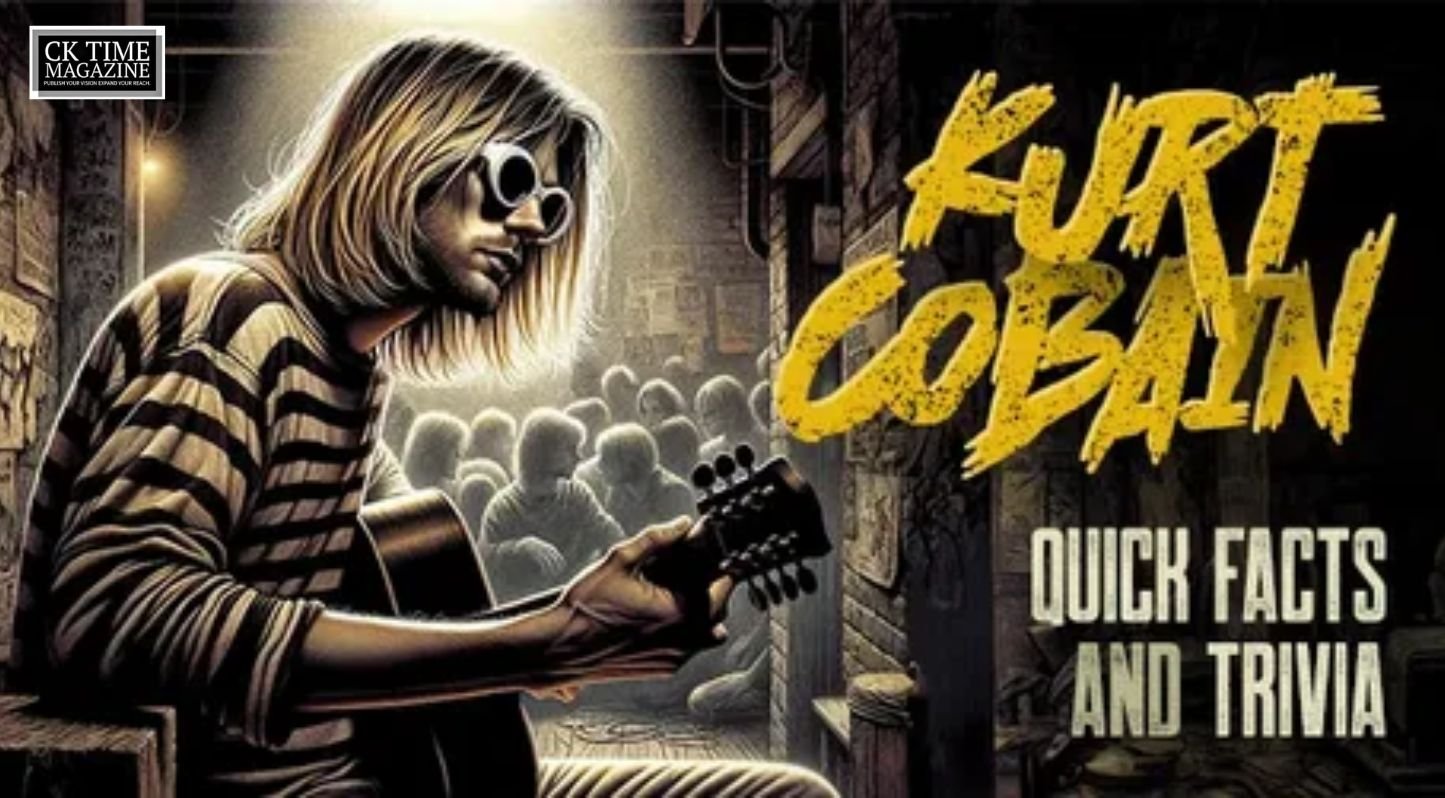
When people search for “Kurt Kobejn,” they are almost always looking for Kurt Cobain, the legendary singer, songwriter, and guitarist who changed the direction of modern music. As the frontman of Nirvana, Cobain became the voice of a generation in the early 1990s, leading the global rise of grunge and redefining alternative rock.
This in-depth SEO article explores Kurt Cobain’s early life, rise to fame, songwriting genius, personal struggles, influence on fashion and youth culture, relationships, controversies, tragic death, and lasting legacy in music history.
Early Life of Kurt Cobain

Kurt Cobain was born on February 20, 1967, in Aberdeen, a small logging town in Washington State. His early years were marked by creativity and imagination. Even as a child, Cobain showed strong artistic talent, drawing cartoons and playing piano by ear.
However, his life changed dramatically when his parents divorced when he was nine years old. The separation deeply affected him emotionally. Friends and family members often described a shift in his personality—from a happy child to someone more withdrawn and sensitive.
Cobain moved between relatives’ homes during his teenage years, feeling increasingly disconnected. Music became his refuge. Punk rock, in particular, gave him a sense of belonging and identity.
Discovering Punk and Alternative Music
As a teenager, Cobain was heavily influenced by underground punk bands and independent artists. The raw energy of punk music resonated with his frustrations and emotions. He admired bands that valued authenticity over commercial polish.
He began writing songs and experimenting with guitar, developing a style that combined melodic sensibility with aggressive distortion. This fusion would later define Nirvana’s signature sound.
Cobain wasn’t interested in mainstream fame at first. He wanted artistic expression He wanted honest He wanted music that felt real.
Formation of Nirvana
In 1987, Kurt Cobain formed Nirvana alongside bassist Krist Novoselic. The two shared a love for punk and alternative rock, and they began performing in small clubs across the Pacific Northwest.
Later, drummer Dave Grohl joined the band, completing what would become Nirvana’s most iconic lineup.
The Seattle music scene was growing rapidly at the time, especially in Seattle, where grunge music was taking shape. Bands blended punk’s rawness with heavy metal’s intensity, creating a darker, heavier alternative sound.
Nirvana quickly became one of the most promising acts in this emerging movement.
Bleach: The Raw Beginning
In 1989, Nirvana released their debut album, Bleach. The record was gritty, loud, and deeply influenced by punk and metal.
Though not an immediate commercial success, Bleach built a cult following. It showcased Cobain’s early songwriting abilities—mixing soft verses with explosive choruses, a dynamic structure that would become his trademark.
The album laid the groundwork for something much bigger.
Nevermind and the Explosion of Fame
Everything changed in 1991 with the release of Nevermind.
Featuring the now-iconic single “Smells Like Teen Spirit,” the album unexpectedly exploded onto the mainstream charts. It knocked pop superstars off the number one spot and became a global phenomenon.
Nevermind captured the frustration, apathy, and confusion of youth in the early 1990s. Its polished production made grunge accessible without sacrificing authenticity.
Cobain suddenly found himself the reluctant spokesperson of “Generation X.”
But he never wanted to be a spokesman.
Kurt Cobain’s Songwriting Genius
Kurt Cobain had a rare gift: he could write melodies that were both catchy and emotionally devastating. His lyrics often felt fragmented, abstract, and poetic.
Themes in his songs included:
- Alienation
- Depression
- Identity
- Fame
- Consumer culture
- Emotional vulnerability
Cobain often claimed his lyrics didn’t have fixed meanings, yet fans found deep personal connections within them.
His voice carried pain, anger, sarcasm, and tenderness—sometimes all in one song.
In Utero: Rejecting Commercialism
In 1993, Nirvana released In Utero, a deliberate move away from the polished sound of Nevermind.
Cobain wanted rawness again. He wanted discomfort. He wanted authenticity.
Songs like “Heart-Shaped Box” and “All Apologies” displayed emotional depth and artistic maturity. The album tackled themes of fame’s toxicity and personal anguish.
In Utero proved that Cobain prioritized artistic integrity over commercial expectations.
MTV Unplugged: A Different Side of Cobain
In late 1993, Nirvana recorded MTV Unplugged in New York.
The acoustic performance stunned audiences. Stripped of distortion and noise, Cobain’s vulnerability became even more visible.
The performance showed:
- His admiration for lesser-known artists
- His appreciation for emotional storytelling
- His ability to reinterpret his own songs in haunting ways
This concert became one of the most iconic live recordings in rock history.
Relationship with Courtney Love
Kurt Cobain married Courtney Love in 1992, the lead singer of Hole.
Their relationship was intensely scrutinized by the media. Both were outspoken, controversial, and deeply immersed in the alternative music scene.
They had a daughter together, Frances Bean Cobain.
The media often portrayed their marriage dramatically, sometimes unfairly. Public attention added pressure to an already fragile situation.
Struggles with Mental Health and Addiction
Behind the fame, Cobain battled chronic pain, depression, and heroin addiction.
He often spoke about physical stomach pain that doctors struggled to diagnose. Substance use became, in his words, a way to cope.
The pressures of global fame, constant touring, and media intrusion intensified his struggles. Cobain disliked celebrity culture and felt misunderstood by the mainstream industry.
Despite success, he felt trapped.
Fashion and Cultural Influence
Kurt Cobain didn’t try to become a fashion icon.
Yet he did.
Oversized sweaters, ripped jeans, thrift-store cardigans, messy hair—these became defining elements of 1990s grunge fashion.
He challenged traditional masculinity. He sometimes wore dresses during performances to make statements about gender norms.
Cobain’s style wasn’t calculated. It was authentic. And that authenticity made it powerful.
Death and Global Shock
On April 5, 1994, Kurt Cobain died at age 27 in Seattle. His death was ruled a suicide.
The news shocked the world.
Fans gathered across cities, mourning not just a musician but a voice that had articulated their inner turmoil.
Cobain became part of the tragic “27 Club,” a group of influential musicians who died at that age.
His death marked the end of Nirvana—and the symbolic end of the early grunge era.
Influence on Music History
Kurt Cobain permanently altered rock music.
Before Nirvana, mainstream rock was dominated by glam metal and polished pop-rock. After Nevermind, alternative and grunge bands gained global visibility.
His influence can be seen in:
- Post-grunge bands
- Emo and alternative rock movements
- Indie authenticity culture
- DIY recording ethics
In 2014, Nirvana was inducted into the Rock and Roll Hall of Fame, cementing their place in music history.
The Philosophy of Authenticity
Cobain rejected corporate expectations. He criticized sexism, racism, and homophobia openly.
He supported feminist ideals and LGBTQ+ rights long before such stances were common in mainstream rock.
His journals reveal a thoughtful, reflective mind deeply concerned with fairness and artistic truth.
Authenticity was his core value.
Even when it hurt him professionally.
Kurt Cobain’s Lasting Legacy
Decades after his death, Kurt Cobain remains:
- A symbol of artistic honesty
- A voice of emotional vulnerability
- A cultural icon of the 1990s
- A cautionary tale about fame and mental health
His music continues to resonate with new generations.
Young listeners today still discover Nirvana and feel understood.
That is the power of timeless art.
Why People Still Search for Kurt Kobejn
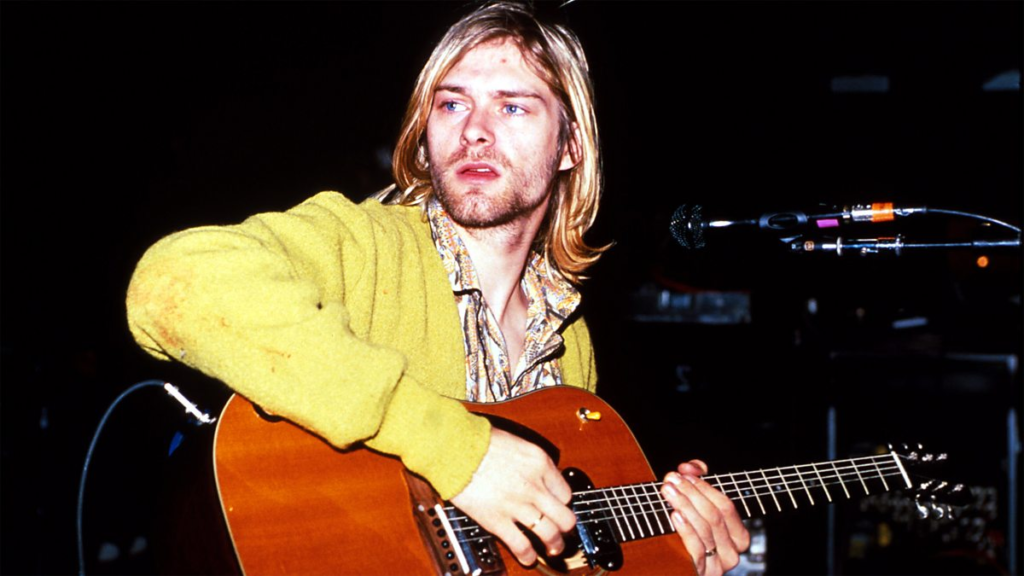
Misspellings like “Kurt Kobejn” show how persistent interest remains. People want to know:
- Who he really was
- What his lyrics meant
- Why his life ended so tragically
- How he changed music forever
Search trends prove that Cobain’s cultural relevance hasn’t faded.
If anything, it has grown.
Conclusion
Kurt Cobain was not just the frontman of Nirvana. He was a revolutionary force in music, culture, and emotional expression.
He transformed alternative rock into a global movement He exposed the cost of fame He redefined masculinity He gave voice to the misunderstood.
Though his life was short, his impact is immeasurable.
The story behind the name “Kurt Kobejn” leads to one of the most influential musicians in history—a man whose music still echoes through speakers, headphones, and hearts around the world.
Kurt Cobain’s legacy is not only about tragedy. It is about truth. Authenticity. Art. And the courage to be vulnerable in a world that often demands masks.