




Diddy Mansion Sale Stigma: Why the Property Struggles to Sell
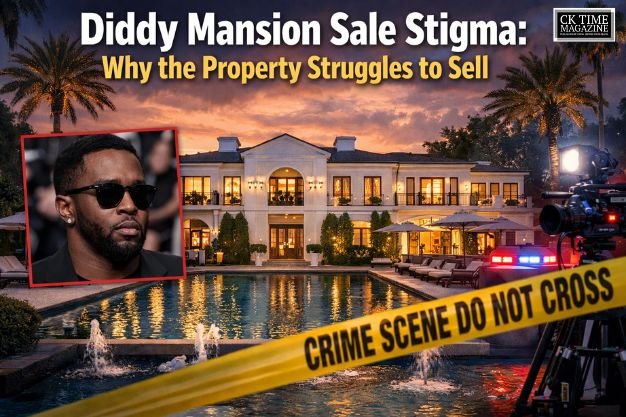
The phrase “Diddy mansion sale stigma” has recently become a trending topic in celebrity real estate discussions. The luxurious property once associated with music mogul Sean ‘Diddy’ Combs has drawn massive public attention, but not necessarily for the reasons luxury real estate investors prefer. While celebrity homes typically attract eager buyers, the case of the Diddy mansion has raised questions about how reputation, controversy, and public perception can influence property value and buyer interest.
High-end homes owned by celebrities often carry a premium because of their connection to fame, lifestyle, and exclusivity. However, when a public figure becomes surrounded by legal troubles or public scrutiny, the properties connected to them may inherit a reputational shadow. This phenomenon is widely known as real estate stigma, and it can significantly impact a property’s market performance.
In the case of the Diddy mansion, the stigma surrounding the sale has become a subject of fascination among real estate experts, fans, and investors alike. The situation highlights how celebrity culture, media coverage, and public perception intersect with property markets. Even a multi-million-dollar mansion in one of the most desirable locations can face challenges when the narrative surrounding it becomes controversial.
This article explores the Diddy mansion sale stigma, examining why the property has become difficult to sell, how public perception affects luxury real estate, and what this situation reveals about celebrity influence on property markets. From the mansion’s history and architectural features to the legal controversies affecting its reputation, understanding this story requires looking beyond the property itself.
The Rise of Sean “Diddy” Combs and His Luxury Lifestyle

To understand the stigma surrounding the mansion, it is essential to consider the career and lifestyle of Sean ‘Diddy’ Combs. Known by various stage names including Puff Daddy and P. Diddy, Combs built a global empire through music, fashion, and entrepreneurship.
During the 1990s and early 2000s, he became one of the most influential figures in hip-hop culture. His label, Bad Boy Records, produced some of the biggest artists in the industry and shaped the sound of an entire generation. Beyond music, he expanded into fashion with the Sean John brand and ventured into spirits, media, and entertainment.
With success came an extravagant lifestyle. Like many celebrity entrepreneurs, Combs invested heavily in luxury real estate. His homes reflected both his personal taste and his public image—grand, stylish, and designed for high-profile gatherings. Over the years, he purchased properties in some of the most expensive areas in the United States, including locations in Los Angeles and Miami.
These homes were not merely residences. They served as social hubs where celebrities, artists, and industry insiders gathered. Lavish parties, business meetings, and private events often took place within their walls, adding to the mystique surrounding the properties.
However, when a celebrity lifestyle intersects with controversy, the same fame that once elevated the property’s prestige can quickly transform into a burden. That is exactly what many observers believe has happened with the Diddy mansion.
The Mansion Itself: Luxury, Design, and Location
The mansion associated with the Diddy sale controversy is an example of ultra-luxury real estate. Such homes typically feature expansive square footage, premium materials, custom architecture, and resort-style amenities.
Located in an elite neighborhood near Holmby Hills, the property reflects the grandeur expected from celebrity estates. Homes in this area are known for their privacy, security, and proximity to major entertainment hubs.
The mansion reportedly includes numerous luxury features:
- Massive living spaces designed for entertaining
- Large landscaped gardens and outdoor lounges
- Swimming pools and spa areas
- Private theaters and entertainment rooms
- Advanced security systems
- Guest houses and staff quarters
Properties of this caliber often sell for tens of millions of dollars, attracting wealthy investors, international buyers, and celebrities looking for prestigious homes.
Under normal circumstances, a celebrity-owned property in such a location would generate tremendous interest. Buyers often see these homes as both lifestyle investments and status symbols.
Yet despite these advantages, the Diddy mansion has faced unusual scrutiny, leading many observers to discuss the stigma attached to the sale.
Understanding Real Estate Stigma
Before examining the specific case of the Diddy mansion, it is important to understand the concept of real estate stigma. In property markets, stigma refers to negative perceptions attached to a property that may reduce its desirability or market value.
Stigma can arise from many situations, including:
- Criminal activity linked to the property
- High-profile scandals involving the owner
- Environmental concerns or structural issues
- Tragic events occurring at the location
- Media narratives shaping public perception
Even if the property itself is structurally perfect, the psychological impact of stigma can make potential buyers hesitant.
Luxury real estate is particularly sensitive to reputation. Buyers in this market are not just purchasing a house; they are buying an image, lifestyle, and story. If that story becomes controversial, the property’s appeal may decline.
In the case of the Diddy mansion, ongoing legal issues and widespread media coverage have created a narrative that some buyers prefer to avoid.
The Role of Media Attention
Media attention plays a crucial role in shaping the perception of celebrity properties. Whenever a famous figure becomes involved in controversy, journalists and online platforms closely examine every aspect of their life—including their homes.
The Diddy mansion has appeared in numerous headlines and discussions. As stories circulated online and on television, the property itself became part of the narrative surrounding the celebrity.
This level of attention can have mixed effects. On one hand, it increases awareness of the property. On the other hand, it may associate the house with negative events in the public imagination.
For wealthy buyers seeking privacy and prestige, this type of publicity can become a deterrent. Some investors prefer homes with clean histories that allow them to build their own identity within the property.
When a mansion becomes famous for controversy rather than luxury, the pool of interested buyers may shrink significantly.
Legal Controversies and Their Impact on the Sale
A major factor contributing to the Diddy mansion sale stigma is the legal controversy surrounding Sean ‘Diddy’ Combs. Public investigations, lawsuits, and allegations have placed the music mogul under intense scrutiny.
When such legal matters unfold, properties linked to the individual often become symbolic spaces within the narrative. Even if the home itself is not directly involved in wrongdoing, the association can create discomfort for potential buyers.
Luxury buyers frequently consider reputation when purchasing real estate. A property tied to a widely publicized controversy may raise concerns about long-term value, media attention, or unwanted curiosity from fans and journalists.
As a result, some prospective buyers may delay decisions until legal matters become clearer. Others may simply choose alternative properties to avoid complications.
This hesitation can slow down the sales process and contribute to the stigma surrounding the property.
Celebrity Real Estate and Public Perception
Celebrity homes occupy a unique position within the real estate market. They are not just residences but cultural symbols that reflect the personality and lifestyle of their owners.
For example, homes previously owned by major stars sometimes become tourist attractions or conversation pieces among fans. In certain cases, a celebrity connection can increase a property’s value.
However, the opposite effect can also occur when the celebrity’s public image shifts negatively. The Diddy mansion situation illustrates how quickly perception can change.
Public sentiment often plays a powerful role in shaping luxury real estate demand. Even wealthy buyers are influenced by reputation, social image, and the stories attached to a property.
If a mansion becomes widely associated with controversy, the prestige that once made it attractive may turn into a liability.
The Psychological Side of Property Buying
Real estate purchases involve both financial calculations and emotional decisions. Buyers imagine themselves living in the space, hosting guests, and building memories within the property.
When a mansion carries a controversial narrative, some buyers may struggle to disconnect the space from its past. This psychological barrier is one of the main reasons stigmatized properties can remain on the market longer than expected.
For luxury buyers, the emotional aspect of property ownership is particularly important. They want homes that symbolize success, relaxation, and prestige.
If the Diddy mansion is perceived as representing controversy instead of glamour, some buyers may simply choose to look elsewhere.
Pricing Challenges in the Luxury Market
Another factor contributing to the Diddy mansion sale stigma is pricing. Ultra-luxury properties are already difficult to sell because the pool of potential buyers is limited.
When stigma enters the equation, sellers may need to adjust pricing strategies. In some cases, stigmatized properties sell at discounted rates compared to similar homes in the same neighborhood.
However, lowering the price too much can also send negative signals to the market. Buyers may interpret a steep discount as confirmation that something is wrong with the property.
Balancing these factors requires careful negotiation and strategic marketing from real estate agents.
Strategies for Overcoming Property Stigma
Real estate professionals often use several strategies to overcome stigma associated with a property. These approaches focus on reshaping the narrative and emphasizing the property’s strengths.
One common strategy is rebranding the listing by focusing on architecture, design, and location rather than the previous owner. Marketing materials may highlight lifestyle features, scenic views, and luxury amenities.
Another tactic involves renovations or redesigns that create a fresh identity for the property. By altering certain elements of the home, sellers can symbolically distance the house from past associations.
Some agents also target international buyers who may be less familiar with the controversy. For global investors, the prestige of the location may outweigh any reputational concerns.
In the case of the Diddy mansion, similar strategies may eventually help attract the right buyer.
Celebrity Homes That Faced Similar Challenges
The Diddy mansion is not the first celebrity property to experience stigma. Throughout history, several high-profile homes have struggled to sell due to controversies surrounding their owners.
These situations demonstrate that even the most luxurious estates are not immune to the influence of public perception. In some cases, properties remained on the market for years before finding buyers willing to overlook the past.
Eventually, time often reduces stigma as public attention shifts to new stories. Once the headlines fade, buyers may begin to view the property purely as a real estate opportunity.
The same pattern may eventually apply to the Diddy mansion as media attention decreases.
The Future of the Diddy Mansion Sale
Despite the challenges, luxury real estate markets tend to recover over time. Prestigious locations, high-quality architecture, and unique amenities continue to attract wealthy buyers.
The mansion associated with Sean ‘Diddy’ Combs still possesses many qualities that make it desirable. Its location near Los Angeles places it within one of the world’s most competitive luxury housing markets.
If the legal controversies surrounding the celebrity eventually resolve or fade from public focus, the stigma attached to the property may gradually diminish.
Real estate history shows that properties with strong fundamentals—location, design, and exclusivity—eventually find buyers. The key challenge is timing and perception.
Conclusion
The Diddy mansion sale stigma highlights the powerful relationship between celebrity culture, media narratives, and luxury real estate markets. While the mansion itself represents extraordinary wealth and architectural excellence, the controversies surrounding its former owner have influenced how potential buyers perceive the property.
Real estate stigma is not unique to this situation, but the global fame of Sean ‘Diddy’ Combs has amplified the effect. Media coverage, legal issues, and public curiosity have transformed the mansion into more than just a luxury residence—it has become part of a larger cultural story.
For investors and industry professionals, the case serves as an important reminder that reputation and narrative can influence property value just as much as location or design. In the world of celebrity real estate, perception often shapes reality.
As time passes and public attention shifts, the stigma surrounding the mansion may gradually fade. When that happens, the property’s architectural beauty, prime location, and luxury amenities may once again take center stage.
Until then, the Diddy mansion remains one of the most fascinating examples of how fame, controversy, and real estate intersect in the modern celebrity landscape.

3 thoughts on “Diddy Mansion Sale Stigma: Why the Property Struggles to Sell”