



AC Tech Tools: The Complete Guide Every HVAC Technician Needs
Introduction: Why AC Tech Tools Matter More Than Ever
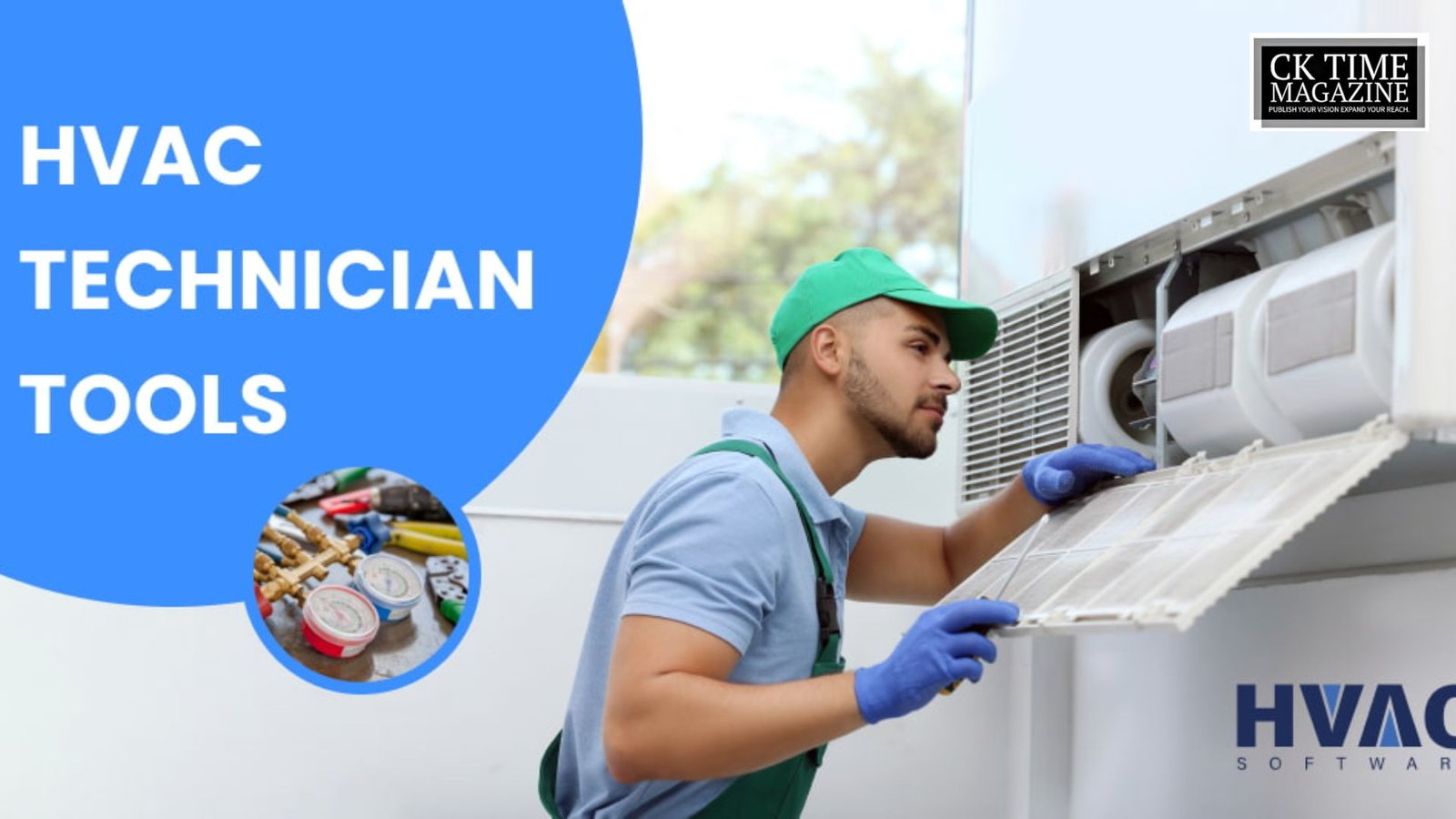
AC tech tools are not just equipment. They are the backbone of every successful HVAC job. Whether it’s a routine air conditioner service, a complex system installation, or an emergency repair in extreme weather, the quality of tools directly impacts speed, safety, and accuracy. For modern HVAC technicians, tools are no longer optional add-ons. They define professionalism. They separate guesswork from precision. And as HVAC systems become smarter, more efficient, and more regulated, the tools required to service them evolve just as fast. Understanding AC tech tools is no longer just for beginners. Even experienced technicians must stay updated to remain competitive.
What Are AC Tech Tools?
AC tech tools are specialized instruments used by air conditioning and HVAC technicians to install, maintain, diagnose, and repair cooling and heating systems. These tools range from simple hand tools like screwdrivers and wrenches to advanced digital instruments such as manifold gauges, refrigerant leak detectors, and smart diagnostic meters. Each tool serves a specific purpose, and missing even one can slow down a job or compromise safety. HVAC work is precise by nature. Temperatures, pressures, airflow, and electrical readings must be exact. That precision starts with the right tools.
Basic Hand Tools Every AC Technician Must Have
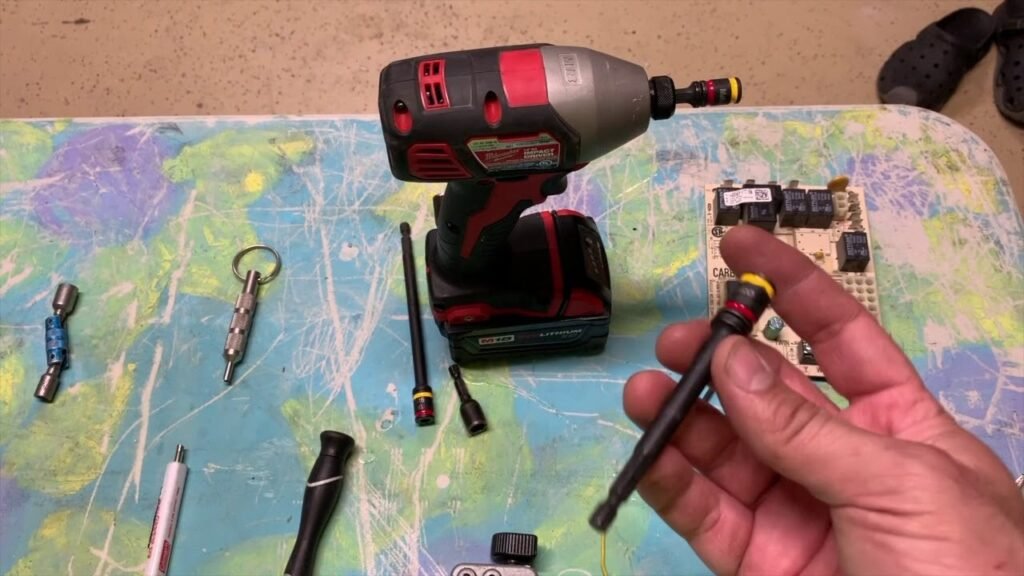
Every HVAC technician begins with basic hand tools. These are the foundation of all AC work. Screwdrivers, nut drivers, pliers, adjustable wrenches, and socket sets are used daily. While these tools may seem simple, quality matters. Cheap tools strip screws, damage components, and increase fatigue. Professional-grade hand tools improve efficiency and reduce long-term costs. Many technicians customize their kits based on the systems they work on most, but the fundamentals remain the same.
HVAC Gauges and Manifold Sets
Manifold gauge sets are among the most critical AC tech tools. They allow technicians to measure refrigerant pressure on both the high and low sides of an AC system. These readings help diagnose issues such as undercharging, overcharging, blockages, or compressor failure. Modern digital manifold gauges offer higher accuracy, wireless connectivity, and data logging. While analog gauges are still common, digital versions are quickly becoming the industry standard.
Refrigerant Recovery Machines
Refrigerant recovery machines are essential for environmental safety and legal compliance. HVAC regulations require technicians to recover refrigerant instead of releasing it into the atmosphere. These machines safely extract refrigerant from AC systems for recycling or disposal. Using proper recovery equipment protects the environment and prevents costly fines. For professional technicians, a reliable recovery machine is not optional. It is mandatory.
Vacuum Pumps and Evacuation Tools
Vacuum pumps are used to remove moisture and air from AC systems before charging them with refrigerant. Moisture inside a system can cause corrosion, freeze-ups, and system failure. A strong vacuum ensures long-term reliability. AC tech tools like micron gauges help verify proper evacuation levels. This step is critical during installation and major repairs, yet often overlooked by inexperienced technicians.
Leak Detection Tools
Refrigerant leaks are a common AC issue and a major efficiency killer. Leak detection tools help technicians locate leaks quickly and accurately. Electronic leak detectors sense refrigerant gases, while UV dye systems reveal leaks visually. Soap bubble tests are still used for confirmation, but advanced detectors save time and reduce guesswork. Effective leak detection protects customers from repeated service calls and protects technicians from unnecessary system recharges.
Electrical Testing Tools for HVAC Work
Air conditioning systems rely heavily on electrical components. Multimeters, clamp meters, voltage testers, and continuity testers are essential AC tech tools. These instruments allow technicians to test capacitors, contactors, motors, thermostats, and control boards. Electrical faults are common causes of AC failure, and accurate testing prevents misdiagnosis. Safety is also a major concern. Quality electrical tools reduce the risk of shocks and equipment damage.
Temperature Measurement Tools
Temperature readings are at the heart of HVAC diagnostics. Digital thermometers, infrared temperature guns, and thermal probes help technicians measure air temperature, refrigerant line temperature, and surface heat levels. Superheat and subcooling calculations rely on accurate temperature data. Without reliable temperature tools, proper system tuning becomes impossible.
Airflow Measurement and Duct Testing Tools
Airflow problems can make even a perfectly charged AC system perform poorly. Tools like anemometers, manometers, and airflow hoods help measure air velocity, static pressure, and duct performance. These AC tech tools are especially important for diagnosing comfort complaints, uneven cooling, and high energy bills. Proper airflow ensures that cooling systems operate efficiently and quietly.
HVAC Diagnostic Software and Smart Tools
Technology has entered the HVAC toolbox. Smart probes, Bluetooth-enabled gauges, and mobile diagnostic apps allow technicians to monitor systems remotely and store job data digitally. These tools reduce paperwork, improve accuracy, and help technicians explain issues clearly to customers. As systems become smarter, technicians must adapt. Digital AC tech tools are no longer optional for high-end service work.
Safety Gear as Essential AC Tech Tools
Safety equipment is often overlooked, but it is just as important as diagnostic tools. Gloves, safety glasses, respirators, and insulated tools protect technicians from chemical exposure, electrical hazards, and physical injury. HVAC work involves sharp metal edges, high voltages, and pressurized refrigerants. Professional technicians prioritize safety because one mistake can end a career.
Tool Storage and Organization
Having the right tools means nothing if they are disorganized. Tool bags, backpacks, rolling toolboxes, and van storage systems improve efficiency. Organized AC tech tools save time on every job. They reduce frustration, prevent tool loss, and project professionalism to customers. Many technicians invest heavily in storage solutions as their tool collections grow.
AC Tech Tools for Installation Jobs
Installation work requires specialized tools. Pipe cutters, flaring tools, swaging tools, torque wrenches, and brazing equipment are essential. Proper installation directly affects system performance and lifespan. Poor flares or loose connections can cause leaks and failures. Installation-focused AC tech tools ensure clean, precise work that meets manufacturer specifications.
Tools for Maintenance and Preventive Service
Routine maintenance keeps AC systems running efficiently. Coil cleaning tools, fin combs, condensate pump testers, and filter gauges help technicians perform thorough service visits. Preventive maintenance tools reduce breakdowns and extend equipment life. Customers who invest in maintenance expect professional results, and that starts with proper equipment.
Commercial HVAC Tools vs Residential Tools
Commercial HVAC systems require heavier-duty tools. Larger gauges, higher-capacity recovery machines, and advanced airflow measurement equipment are common. Commercial technicians also deal with rooftop units, chillers, and building automation systems. While many tools overlap, commercial AC tech tools are often more robust and expensive.
Choosing the Right AC Tech Tools for Beginners
New technicians often feel overwhelmed by tool requirements. The key is to start with essentials and upgrade over time. Quality matters more than quantity. Buying reliable tools early prevents replacement costs later. Many employers provide some equipment, but personal tool ownership increases flexibility and earning potential.
Cost of AC Tech Tools
Building a complete HVAC tool kit is an investment. Entry-level tool sets may cost a few hundred dollars, while advanced professional kits can exceed several thousand. However, tools pay for themselves over time. Faster jobs, fewer mistakes, and better diagnostics lead to higher income and customer satisfaction.
Tool Maintenance and Calibration
Tools require care. Dirty gauges, uncalibrated meters, and damaged hoses produce inaccurate readings. Regular cleaning, calibration, and inspection extend tool life and ensure accuracy. Professional technicians treat their AC tech tools as long-term assets, not disposable items.
How Tools Impact Technician Reputation
Customers notice professionalism. Organized tools, clean equipment, and confident diagnostics build trust. Technicians who rely on guesswork or outdated tools often lose credibility. AC tech tools directly influence how customers perceive skill and reliability.
Future Trends in AC Tech Tools

The future of HVAC tools is smart, connected, and data-driven. Wireless probes, cloud-based diagnostics, and AI-assisted troubleshooting are emerging. Tools will continue to reduce manual calculations and improve efficiency. Technicians who adapt early gain a competitive advantage.
Why Investing in Quality Tools Pays Off
Cheap tools fail when pressure is high. Quality tools last longer, perform better, and reduce stress. For HVAC technicians, tools are income-generating assets. Investing wisely increases efficiency, confidence, and long-term earnings.
Final Thoughts: AC Tech Tools Define the Trade
AC tech tools shape every aspect of HVAC work. From diagnosis to installation, from safety to customer satisfaction, the right tools make the difference. As technology advances, technicians must evolve with it. Tools are not just accessories. They are the foundation of a successful HVAC career.

2 thoughts on “AC Tech Tools: The Complete Guide Every HVAC Technician Needs”