


Air Brake Tools: A Complete Professional Guide for Mechanics and Technicians
Introduction: Why Air Brake Tools Matter in Heavy-Duty Work
Air brake tools are not optional equipment. They are the backbone of safety, precision, and reliability in heavy-duty vehicle maintenance. Trucks, buses, trailers, trains, and industrial machinery depend on air brake systems to stop massive loads safely. One small mistake in an air brake system can lead to catastrophic failure. That is why technicians rely heavily on specialized air brake tool. These tools allow mechanics to inspect, test, repair, and maintain braking systems with accuracy and confidence. As vehicles grow heavier and regulations become stricter, the importance of proper air brake tool continues to rise.
Understanding Air Brake Systems Before the Tools
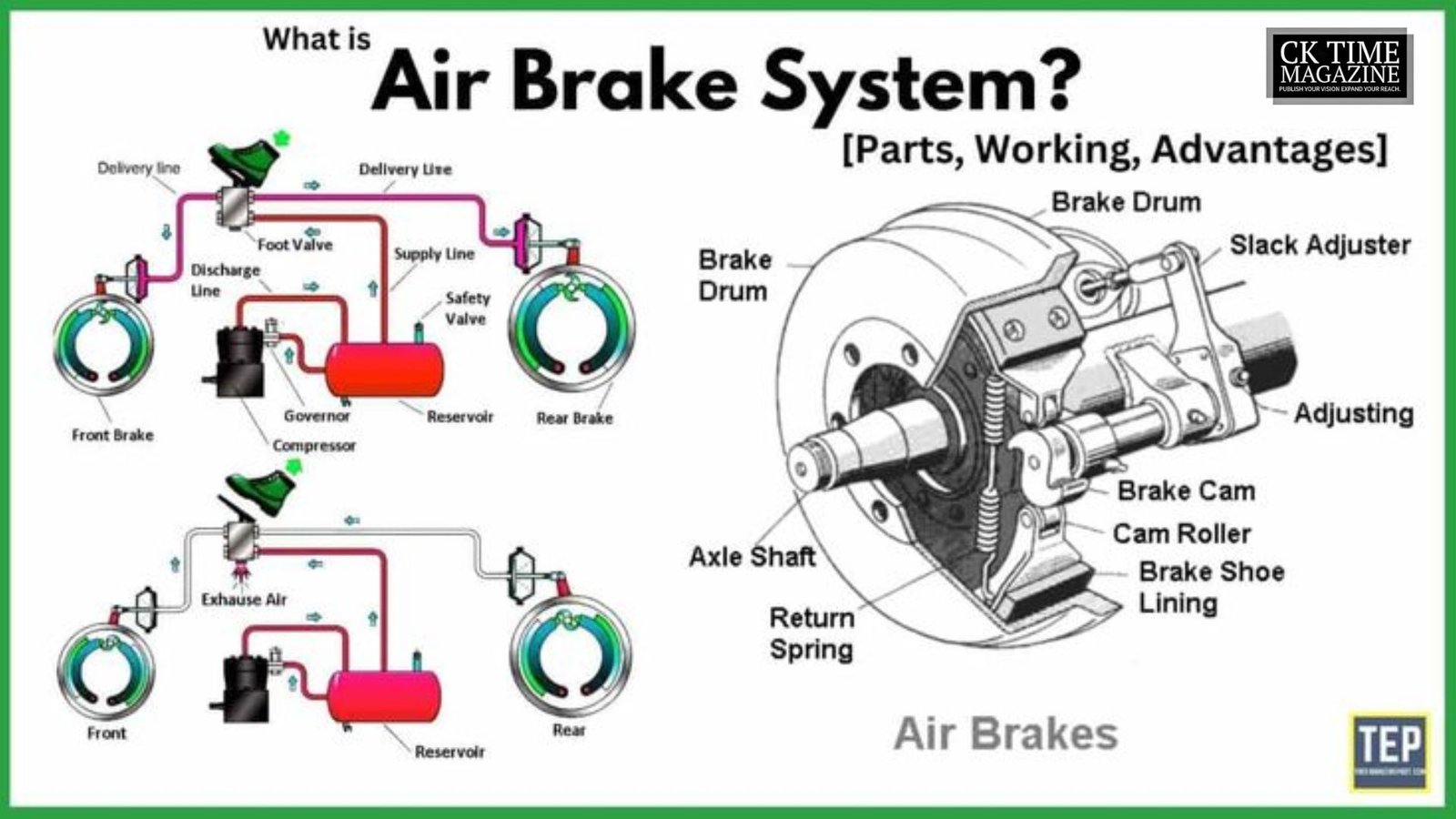
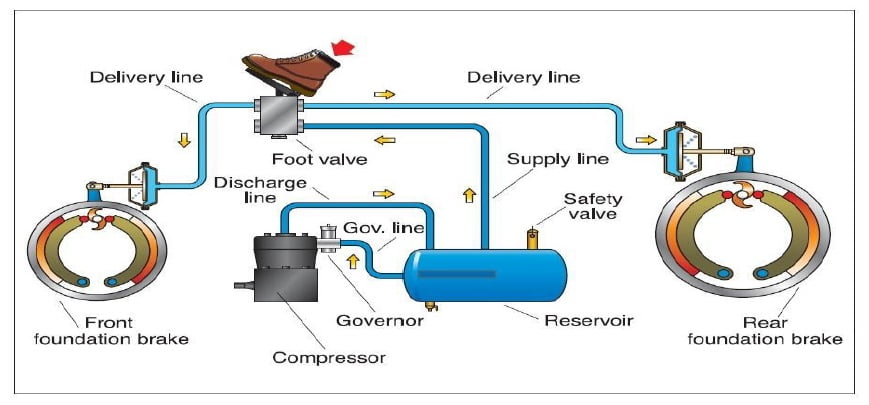
To truly understand air brake tool, it helps to understand the system they support. Air brakes use compressed air to apply braking force. Unlike hydraulic brakes, air brake systems rely on air pressure stored in tanks, controlled by valves, and delivered to brake chambers. Components include air compressors, reservoirs, brake chambers, slack adjusters, valves, hoses, and fittings. Each component requires specific tools for servicing. Using the wrong tool can damage parts or compromise safety. That is why air brake tool are designed with purpose.
What Are Air Brake Tools?
Air brake tool are specialized mechanical, pneumatic, and diagnostic tool used to service air brake systems. These include inspection tools, adjustment tools, testing equipment, air-powered tools, and safety devices. Some tools are designed for installation, others for diagnostics, and many for routine maintenance. Professional technicians depend on a complete set of air brake tool to perform compliant and safe repairs.
Basic Hand Tools Used in Air Brake Work
Every technician starts with basic hand tools. Wrenches, ratchets, sockets, screwdrivers, and pliers are used daily in air brake service. However, air brake fittings often require specific sizes and torque levels. Line wrenches are especially important because they prevent rounding off fittings. Adjustable wrenches are used carefully, but precision tools are preferred. Quality hand tools reduce slippage and damage during brake service.
Brake Spring Tools and Cage Tools
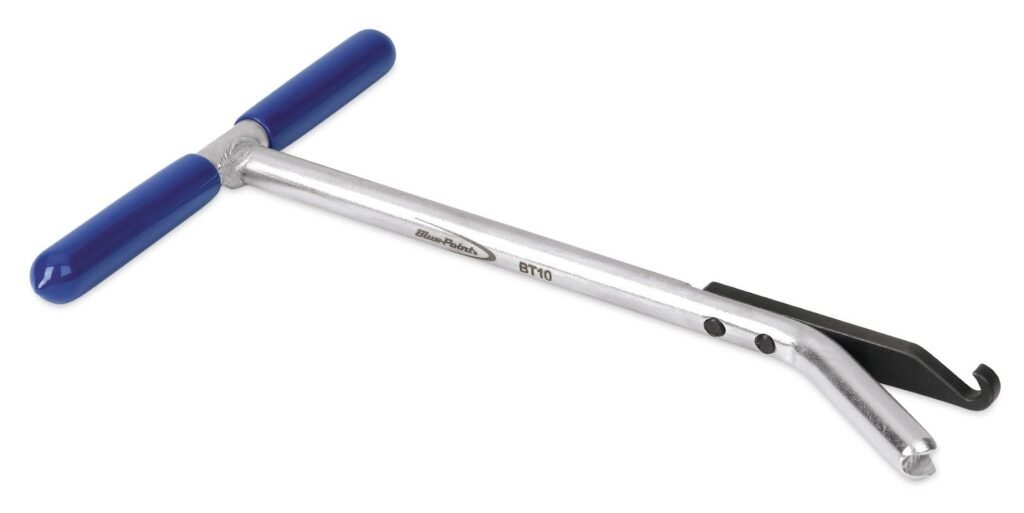
Brake spring tools, also known as brake chamber caging tools, are critical for safety. Air brake chambers contain powerful springs that apply brakes when air pressure is lost. These springs are extremely dangerous if released improperly. Caging tools safely compress and secure the spring, allowing technicians to remove or service brake chambers. Never attempting brake work without proper caging tools is a rule every professional follows.
Slack Adjuster Tools and Adjustment Equipment
Slack adjusters control the distance between brake shoes and drums. Proper adjustment is essential for braking efficiency and compliance with safety regulations. Slack adjuster tools allow technicians to manually adjust brakes accurately. Some slack adjusters are manual, while others are automatic. Specialized tools help verify correct operation and adjustment. Improper slack adjustment is one of the most common causes of brake violations.
Air Pressure Gauges and Testing Tools
Testing air pressure is a core part of air brake diagnostics. Air pressure gauges measure system pressure, reservoir pressure, and brake application pressure. These tools help identify leaks, weak compressors, or faulty valves. Portable test gauges are often connected directly to air lines or test ports. Accurate pressure readings ensure the system meets manufacturer and regulatory standards.
Air Brake Leak Detection Tools
Air leaks reduce braking performance and increase stopping distance. Leak detection tools help locate air leaks quickly. Soapy water is still commonly used, but electronic leak detectors and ultrasonic tools are becoming more popular. These advanced air brake tool save time and reduce guesswork, especially in complex systems with multiple hoses and fittings.
Brake Chamber Tools and Service Equipment
Brake chambers convert air pressure into mechanical force. Servicing them requires specific tools. Chamber mounting tools, pushrod measurement tools, and diaphragm inspection tools help technicians ensure proper operation. Pushrod travel gauges measure brake application distance and confirm compliance. These tools are critical during inspections and repairs.
Drum Brake Tools for Air Brake Systems
Many air brake systems use drum brakes. Servicing drum brakes requires brake shoe tools, drum pullers, return spring tools, and lining thickness gauges. Heavy-duty drums can be difficult to remove without proper pullers. Specialized tools reduce physical strain and prevent damage. Accurate measurement ensures brakes remain within legal wear limits.
Disc Brake Tools in Modern Air Brake Systems
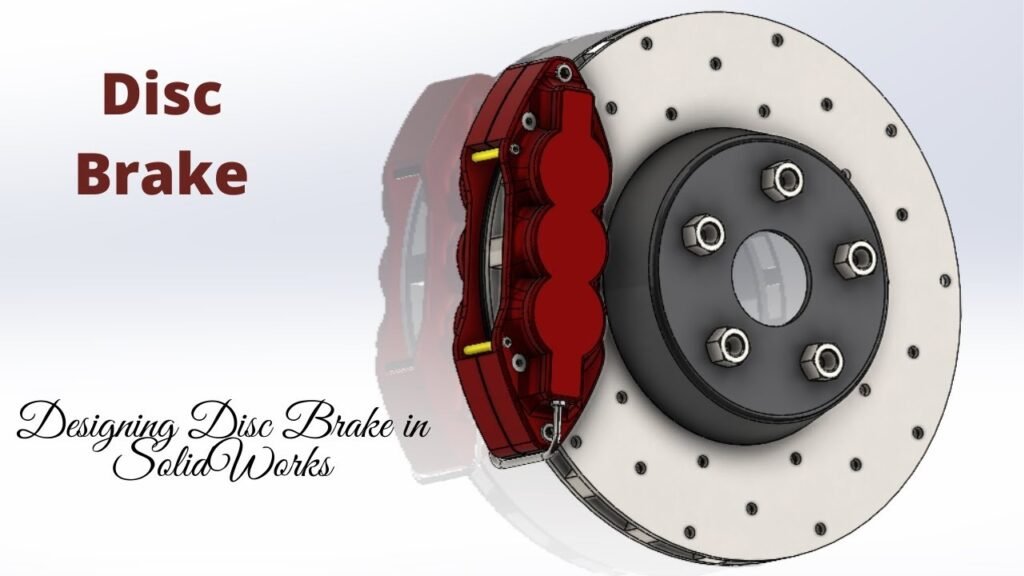
Modern commercial vehicles increasingly use air disc brakes. These systems require different tools than drum brakes. Caliper tools, pad spreaders, rotor measurement tools, and torque wrenches are essential. Air disc brakes offer improved stopping power and reduced maintenance, but they demand precise service procedures and proper tools.
Pneumatic Tools Used in Air Brake Service
Many air brake tools are air-powered. Impact wrenches, air ratchets, grinders, and drills increase efficiency. Pneumatic tools are especially useful in heavy-duty applications where bolts are large and torqued tightly. Proper air supply, lubrication, and safety practices are essential when using pneumatic tools.
Torque Wrenches and Precision Tools
Torque accuracy matters in brake systems. Over-tightening can damage components, while under-tightening can cause failures. Torque wrenches ensure fasteners meet manufacturer specifications. Precision tools like micrometers and calipers are used to measure wear and tolerances. These air brake tools protect both equipment and technicians.
Air Line Cutting and Flaring Tools
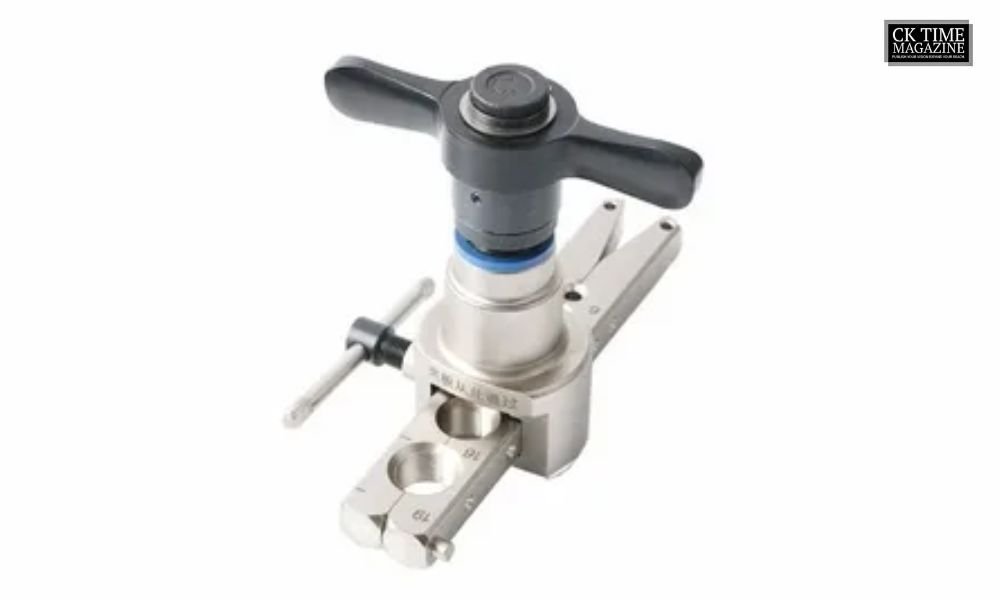
Air lines must be cut cleanly and connected securely. Line cutting tools create smooth, square cuts. Flaring and push-to-connect tools ensure airtight connections. Poorly cut lines can leak or fail under pressure. Proper air line tools are essential for long-term system reliability.
Diagnostic Tools for Advanced Air Brake Systems
Modern air brake systems often integrate electronic components. ABS sensors, control modules, and diagnostic ports require scan tools and testers. Diagnostic tools read fault codes, monitor sensor data, and assist with troubleshooting. As vehicles become smarter, diagnostic air brake tool become more important.
Safety Equipment as Air Brake Tools
Safety gear is a critical part of air brake service. Eye protection, gloves, steel-toe boots, and hearing protection protect technicians from hazards. Working with pressurized systems carries risk. Safety equipment should be considered part of the tool set, not an afterthought.
Tool Storage and Workshop Organization
Air brake tool are heavy and numerous. Proper storage improves efficiency and safety. Tool cabinets, shadow boards, and mobile carts keep tools accessible. Organized tools reduce downtime and prevent loss. Professional workshops invest heavily in organization systems.
Air Brake Tools for Inspections and Compliance
Regulatory inspections require specific tools. Pushrod stroke gauges, lining wear indicators, and pressure testing equipment help technicians ensure compliance. Air brake systems are heavily regulated, and proper tool help avoid costly violations and downtime.
Beginner vs Professional Air Brake Tool Kits
New technicians often start with basic kits and expand over time. Professional technicians invest in specialized tools as experience grows. Quality matters more than quantity. Buying durable, accurate tools saves money long-term.
Cost of Air Brake Tools
Air brake tool represent a significant investment. Basic kits may cost a few hundred dollars, while complete professional setups can reach several thousand. However, tools pay for themselves through efficiency, safety, and reduced rework.
Maintenance and Calibration of Air Brake Tools
Tools require maintenance. Gauges must be calibrated. Pneumatic tools need lubrication. Worn tools produce inaccurate results. Regular inspection extends tool life and ensures reliable readings.
How Air Brake Tools Impact Safety
Proper tools directly affect safety. Accurate diagnostics prevent failures. Correct adjustments ensure braking power. Reliable tools reduce technician error. In air brake systems, safety is non-negotiable.
Industry Trends in Air Brake Tools
The future of air brake toos includes digital diagnostics, wireless sensors, and smart testing equipment. Predictive maintenance and data-driven inspections are becoming common. Technicians who adapt early stay competitive.
Training and Tool Familiarity
Tools are only effective when used correctly. Training ensures technicians understand both the system and the tools. Familiarity improves speed and confidence. Many employers provide ongoing training to keep skills current.
Why Quality Air Brake Tools Are Worth the Investment
Cheap tools fail under pressure. Quality air brake tool last longer, perform better, and protect technicians. Investing in professional-grade tools improves workmanship and reputation.
Final Thoughts: Air Brake Tools Define Professionalism
Air brake tools are more than equipment. They define professionalism, safety, and trust in heavy-duty vehicle maintenance. From basic hand tools to advanced diagnostics, the right tools ensure reliable braking systems. As technology advances, so will the tools. Technicians who invest wisely and stay informed build long, successful careers in the industry.

3 thoughts on “Air Brake Tools: A Complete Professional Guide for Mechanics and Technicians”