


Archivebate: Understanding the Platform, Its Digital Footprint, and Online Culture

The keyword archivebate has gained attention in various online communities, often associated with archived streaming content from adult-oriented platforms. While the name itself may seem direct or self-explanatory to some users, it represents a broader conversation about digital archiving, content preservation, online privacy, creator rights, and the ethics of redistribution.
In the modern internet ecosystem, content is created at an unprecedented rate. Live streams, subscription-based platforms, and interactive media generate massive amounts of material daily. Some of this content disappears quickly, while other pieces are saved, copied, and redistributed through third-party archive websites. Archivebate is generally referenced in discussions surrounding the archiving of adult livestream content, particularly from platforms where performers broadcast in real time.
This article explores archivebate in depth, not from a graphic perspective, but from a technological, cultural, and ethical standpoint. We will examine how online archiving works, why such websites emerge, the legal and privacy implications involved, the impact on content creators, and the broader issues surrounding digital permanence.
The Concept of Digital Archiving

Digital archiving refers to the process of storing and preserving online content for long-term access. In academic and professional contexts, archiving ensures that important documents, research papers, or historical records remain accessible over time. Institutions such as libraries and universities use structured archiving systems to preserve knowledge.
However, archiving on the open internet functions differently. When users download, copy, or redistribute content without authorization, the purpose is rarely preservation in the academic sense. Instead, it often involves reposting material for convenience, free access, or exposure.
Websites associated with the term archivebate typically focus on storing previously live-streamed adult content. This creates tension between accessibility and intellectual property rights.
The Rise of Live Streaming and Content Monetization
To understand archivebate, it is necessary to understand the rise of live streaming platforms. Over the past decade, subscription-based and tip-driven streaming services have expanded significantly. Performers stream content live, interact with viewers in real time, and receive income through subscriptions, digital tokens, or tips.
Live streaming offers immediacy. It creates a sense of exclusivity. Viewers pay for access to content that may not be available later.
This exclusivity is a major part of the monetization model.
However, once content is streamed digitally, it can technically be recorded. Screen recording software, browser capture tools, and automated bots can preserve livestream sessions. These recordings may then appear on archive-style websites, often without the consent of the original creator.
Archivebate is commonly referenced in relation to this type of redistribution.
Why Archive Websites Emerge
Archive-style websites often emerge due to demand. Some users prefer free access over paid subscriptions. Others may want to revisit content that was previously available live.
The internet operates on supply and demand dynamics. If demand exists for archived material, platforms may arise to meet that demand, regardless of legal or ethical implications.
In some cases, users justify archiving as a form of digital preservation. However, the ethical landscape becomes complicated when content is paywalled and redistributed without permission.
Archivebate discussions frequently intersect with debates about piracy and digital ownership.
Legal Considerations and Intellectual Property
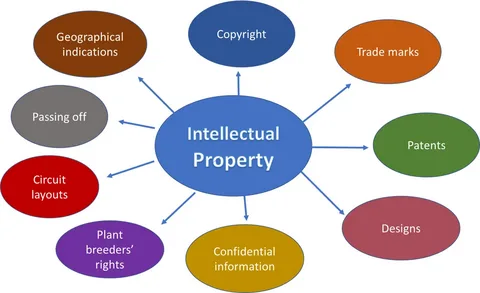
Content created by performers on streaming platforms is typically protected by copyright law. The creator or the hosting platform usually retains rights over the material. Unauthorized recording and redistribution may violate copyright laws in many jurisdictions.
However, enforcement can be challenging. Archive sites often operate across borders, use anonymous hosting services, or change domain names frequently. Legal processes require time, resources, and jurisdictional authority.
Intellectual property rights are fundamental in the digital age. When content is redistributed without consent, it can undermine creators’ ability to earn income.
Archivebate-related platforms often exist in legally gray areas, depending on how they operate and where they are hosted.
Impact on Content Creators
The growth of archive sites can significantly affect content creators. For many performers, live streaming is a primary source of income. Subscription-based models rely on exclusivity. If content becomes freely accessible elsewhere, subscription incentives may decline.
This creates financial consequences.
Beyond financial impact, there are also concerns about privacy and consent. Some creators may have agreed to stream content under the assumption that it remains within a controlled platform environment. Redistribution removes that control.
The psychological impact of unauthorized archiving should not be underestimated. Creators may feel vulnerable, exposed, or exploited when content is reposted without permission.
Digital permanence changes the relationship between performer and audience.
Privacy and Data Concerns
Archive websites often raise privacy concerns not only for creators but also for viewers. Data protection regulations such as the General Data Protection Regulation in Europe emphasize consent and personal data security.
When content is archived, questions arise about storage security, user tracking, and personal information exposure. Archive platforms may not follow the same security standards as official streaming services.
The broader issue is digital permanence. Once content is saved and uploaded to multiple servers, complete removal becomes difficult.
The internet rarely forgets.
Ethical Debates in Online Communities
Discussions around archivebate often spark strong opinions. Some argue that once content is streamed online, it becomes part of the public domain. Others counter that streaming platforms operate under clear terms of service and payment agreements.
Ethics differ from legality. Even if enforcement is inconsistent, ethical considerations remain important.
Respecting creator rights aligns with broader principles of digital fairness. Content monetization is built on agreements between platforms, creators, and audiences.
Archiving without permission disrupts that balance.
The Broader Issue of Online Piracy
Archivebate is not an isolated case. The issue reflects a larger pattern of online piracy affecting movies, music, software, and subscription-based services.
When streaming platforms expanded, piracy methods adapted. Just as films are sometimes illegally recorded and shared, live streams can also be captured and redistributed.
Technology evolves rapidly. Anti-piracy measures struggle to keep pace.
The digital economy relies heavily on intellectual property protection. Without enforcement mechanisms, content industries face instability.
Technological Measures Against Unauthorized Archiving
Streaming platforms employ various technologies to reduce unauthorized recording. These may include digital rights management systems, watermarking, and monitoring suspicious activity.
However, no system is entirely foolproof. Screen recording tools operate outside platform control. Once a viewer records a stream locally, redistribution becomes possible.
The cat-and-mouse dynamic between platforms and archive sites continues.
As long as technology allows recording, unauthorized archiving remains a risk.
Cultural Implications of Digital Permanence
The existence of archive platforms reflects a deeper cultural shift. In earlier eras, live performances were temporary experiences. Today, digital tools enable indefinite replay.
This permanence alters expectations. Audiences may assume that all content should remain accessible. Creators may struggle with the idea that live moments can become permanent records.
Digital permanence reshapes privacy norms.
Archivebate discussions highlight the tension between ephemeral content and the internet’s ability to preserve everything.
The Future of Content Ownership

Looking forward, the debate around archive-style platforms will likely intensify. As content creation becomes more decentralized, legal frameworks may adapt to address new challenges.
Blockchain-based content tracking, advanced watermarking, and stricter enforcement measures may emerge.
At the same time, cultural attitudes toward digital ownership may continue evolving.
Creators increasingly advocate for stronger protections and clearer consent standards.
The conversation surrounding archivebate is part of this broader transformation.
Responsible Online Behavior
Regardless of platform or content type, responsible digital behavior is essential. Supporting creators through official channels ensures sustainable ecosystems.
Online communities thrive when mutual respect exists between creators and audiences.
The ease of digital copying does not eliminate ethical responsibility.
Understanding the implications of archiving helps foster more informed decisions.
Conclusion
Archivebate is more than a keyword. It represents ongoing debates about digital archiving, content redistribution, privacy, and intellectual property rights in the modern internet era.
As live streaming and subscription-based content continue to grow, so will discussions about unauthorized archiving. Balancing accessibility, creator rights, and technological realities remains a complex challenge.
The digital landscape is constantly evolving. Laws adapt slowly. Technology moves quickly.
Ultimately, the sustainability of online content industries depends on respect for intellectual property and ethical engagement.
The conversation around archivebate reflects a larger truth about the internet: once something is online, control becomes complicated. How society chooses to handle that complexity will shape the future of digital media.