


Best Educational Tech for Teacher Productivity: Tools That Make a Real Difference
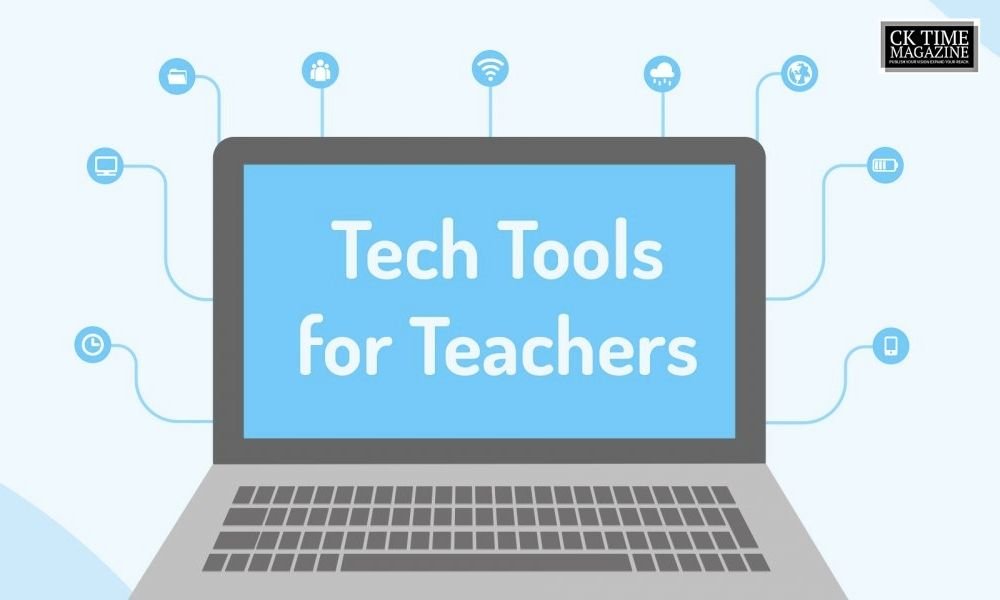
Teaching is more than standing in front of a classroom and delivering lessons. Today’s educators wear many hats — planner, content creator, communicator, assessor, data analyst, motivator, and caretaker all at once. With such a workload, finding ways to save time and stay organized is essential. That’s where the best educational tech for teacher productivity comes in. The right tools don’t replace teacher expertise — they amplify it. They automate routine tasks, streamline communication, enhance lesson delivery, and free up time so teachers can focus on what matters most: student engagement and learning outcomes.
Why Educational Tech Matters for Teacher Productivity
Teaching was complex long before digital tools arrived, but technology has raised expectations. Teachers are asked to personalize learning, track data, communicate with families, and integrate digital content, all while managing classrooms and administrative demands. Without the right tech, productivity can slip, burnout increases, and instructional quality may suffer. The best educational tech for teacher productivity helps educators do more with less — less stress, less repetitive work, and less time spent on non-teaching tasks. It also helps teachers reach students where they are, using platforms students already understand and interact with.
Learning Management Systems (LMS): The Central Hub
A solid Learning Management System is often at the heart of teacher productivity tech. Platforms like Canvas, Schoology, and Google Classroom serve as centralized spaces where teachers can post assignments, distribute resources, collect work, provide feedback, and track student progress. These systems reduce the need for paper, make organization easier, and support asynchronous learning. When used well, an LMS becomes the beating heart of classroom management — everything from attendance to assessment lives in one place. Teachers no longer juggle multiple email threads or scattered files; instead, they work from an organized, shareable, and easily accessible hub.
Communication Tools That Reduce Overhead
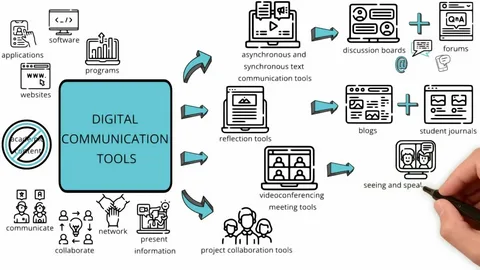
Communication with students, parents, and colleagues can consume hours each week. Fortunately, educational tech has solutions that streamline messaging without losing personalization. Platforms like Remind, ClassDojo, and Bloomz allow teachers to share announcements, send reminders, and even communicate privately with families without exchanging personal phone numbers. Teachers can schedule messages, attach photos or files, and even translate messages for families who speak different languages. When communication tech is well-implemented, it builds community and keeps families informed while cutting down on repeated explanations and follow-ups.
Assessment and Feedback Platforms
Assessments are essential, but grading takes time — especially when done manually. The best educational tech for teacher productivity includes tools that automate grading, offer rich analytics, and provide immediate feedback to students. Tools like Quizlet, Kahoot!, Edulastic, and Socrative let teachers create formative assessments that students can complete online, with instant scoring and reports. Teachers can see trends, identify learning gaps, and adjust instruction without spending hours calculating scores. When students get immediate results, they also learn faster, making assessment an educational tool rather than a time sink.
Collaborative Tools That Save Time
Collaboration is a key part of modern education, and tech can make it seamless. Tools like Google Workspace for Education (Docs, Slides, Sheets) allow students and teachers to work on shared documents in real time. This eliminates version control problems, reduces emailing of attachments, and allows teachers to comment directly on student work. Microsoft Teams and Zoom extend collaboration to virtual classrooms where teachers can host discussions, share resources, and record sessions for later review. These tools support both in-person and hybrid learning models, enabling productive interaction regardless of location.
Lesson Planning and Content Libraries
Planning lessons is creative work, but it can also be time-intensive. Tech tools that offer templates, curriculum mapping, and shared lesson repositories help teachers build high-quality lessons faster. Platforms like Planboard, Teachers Pay Teachers, and Nearpod provide ready-made or customizable resources that align with standards. Teachers can adapt existing content instead of starting from scratch, sharing best practices with colleagues and discovering innovative instructional strategies. This type of technology doesn’t replace the teacher’s voice — it simply accelerates the creative process.
Classroom Management Tech That Reduces Interruptions
Disruptions cost time and focus. The best educational tech for teacher productivity includes classroom management platforms that help maintain order and engagement. Tools such as Classcraft gamify behavior expectations, set routines, and motivate positive actions. Chrome extensions like StayFocusd help teachers limit distracting websites during work sessions. Attendance tools integrated into an LMS reduce manual tracking. When classroom management becomes more efficient, teachers spend less time putting out fires and more time guiding learning.
Digital Assessment Data Tools
Data drives instructional choices, but raw data is only useful when it’s easy to interpret. Tools like PowerSchool, Infinite Campus, and Pivot Interact provide visual dashboards that help teachers understand performance trends, attendance issues, and assessment patterns. Instead of manually aggregating spreadsheets, teachers can view real-time data showing standards proficiency and progress over time. Informal assessments become actionable insights, and teachers can respond quickly to learning needs.
Adaptive Learning Platforms

Adaptive learning platforms like DreamBox, Khan Academy, and IXL adjust content based on each student’s performance. For teachers, this means less time differentiating instruction manually and more time focusing on targeted support where it’s most needed. These platforms provide individualized practice paths, freeing teachers from constant group leveling and allowing them to mentor small groups or individuals with precision.
Note-Taking and Organization Tools
Beyond classroom software, productivity tools like Notion, Evernote, and Microsoft OneNote help teachers organize materials, notes, schedules, and ideas in one searchable space. These apps support multimedia content, tagging, and quick retrieval, making planning and reflection more efficient. Teachers who use organizational tech report reduced cognitive load and improved clarity when preparing lessons or tracking professional tasks.
Professional Development Through Tech

Thebest educational tech for teacher productivity also includes tools that help teachers grow professionally. Platforms like Coursera, edX, and LinkedIn Learning offer courses on pedagogy, tech integration, and leadership. Professional learning networks (PLNs) hosted on Twitter, Facebook Groups, or specialized forums provide idea exchange and emotional support. When teachers grow, productivity improves because they draw from evolving strategies and avoid repetitive trial-and-error.
Balancing Tech With Personal Workflow
Technology should support teachers, not overwhelm them. The most effective productivity tools are intuitive, interoperable, and aligned with daily workflows. Teachers should choose tools that reduce redundant tasks and integrate with systems they already use. Learning too many platforms at once can create cognitive overload instead of relief. The key is simplicity with impact — high-leverage tools that handle the work while teachers focus on instruction.
Equity Considerations in EdTech
While educational tech can boost productivity, equitable access is critical. The best educational tech for teacher productivity should work across devices, require minimal bandwidth when possible, and not assume universal access to the latest hardware. Schools and teachers must advocate for tools that support all students and respect privacy. Productivity gains are meaningful only when they uplift every learner.
The Future of Teacher Productivity Tech
Looking ahead, artificial intelligence, machine learning, and data integration will continue reshaping productivity tools. AI graders, automated curriculum planners, and intelligent scheduling assistants may soon become staples in the classroom. Even now, tools that integrate adaptive insights and predictive data help reduce workload. Teachers who stay informed and willing to evaluate new tech will find themselves with more time to build relationships, refine instruction, and innovate.
Final Thoughts: Choosing the Best Educational Tech for Teacher Productivity
Choosing the best educational tech for teacher productivity is not a one-size-fits-all decision. It depends on context, classroom needs, grade level, and instructional goals. However, tools that centralize communication, streamline assessment, support organization, and provide meaningful data tend to deliver the biggest returns. Teachers deserve technology that serves as an ally, reducing repetitive tasks and enhancing the joy of teaching. When done right, educational tech empowers teachers to spend time where it matters most — guiding student learning, fostering curiosity, and building confident thinkers.

One thought on “Best Educational Tech for Teacher Productivity: Tools That Make a Real Difference”