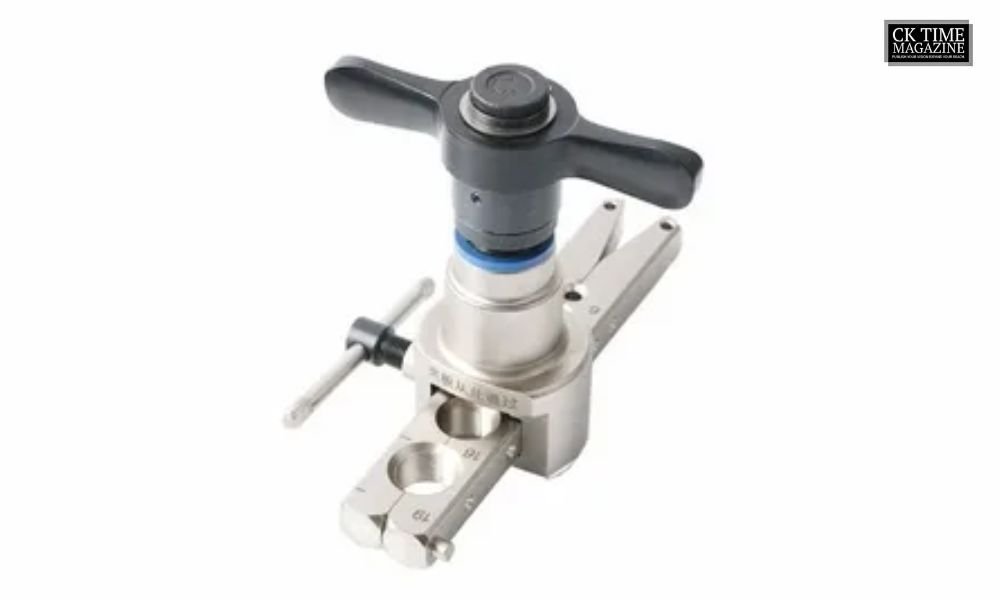




Best HVAC Flaring Tool: What Professionals Use for Precision and Efficiency

For HVAC technicians, creating reliable, leak‑free connections in refrigeration and air‑conditioning systems is essential. A crucial step in that process is flaring copper tubing properly — and doing it without the right tool is slow, inaccurate, and often frustrating. That’s why choosing the best HVAC flaring tool is one of the smartest investments a technician can make. The right tool doesn’t just shape metal; it improves system performance, minimizes leaks, and boosts job quality. In an industry where precision matters and margins are tight, the best HVAC flaring tools help professionals work smarter, faster, and with confidence.
What Is an HVAC Flaring Tool?
An HVAC flaring tool is a specialized device designed to form a flared end on copper or aluminum tubing. This flared end — typically a 45‑degree angle — creates a secure, mechanical seal when joined with flare fittings. Without a proper flare, connections may leak refrigerant, reduce system efficiency, or lead to premature component failure. The tool consists of a clamping mechanism to hold the tubing and a cone or mandrel that forms the flare with consistent angle and diameter. Because HVAC systems operate under high pressure, the accuracy and strength of that flare are critical.
Why the Best HVAC Flaring Tool Matters
Not all flaring tools are created equal. A poorly made tool can produce uneven or cracked flares, leading to leaks, callbacks, and wasted time on the jobsite. High‑quality tools make precise, consistent flares with minimal effort and reduced risk of bending or kinking the tubing. The best HVAC flaring tools also accommodate a range of tube sizes commonly used in residential and commercial systems. For professionals, this translates to increased efficiency, better system performance, and fewer emergency repeat visits — all of which contribute to customer satisfaction and long‑term business success.
Features to Look for in the Best HVAC Flaring Tool
When selecting the best HVAC flaring tool, professionals consider several key features. First is material quality — tools made from hardened steel or high‑grade aluminum resist wear and deliver consistent performance over time. Second is versatility; the ability to flare multiple sizes (such as 1/4″, 3/8″, 1/2″, 5/8″, and 3/4″) ensures that one tool can handle a range of tasks. Ergonomic design and comfortable handles reduce hand fatigue during repetitive use. Many of the top tools also include quick‑release clamps and adjustable stops for repeatable accuracy. Finally, tools that come with robust cases or storage solutions help technicians stay organized in mobile or shop environments.
Top HVAC Flaring Tools Professionals Recommend
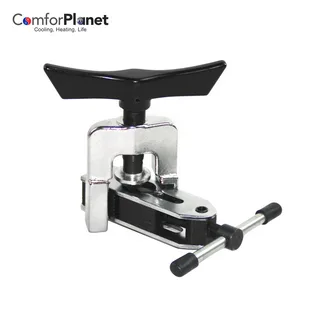
Industry professionals and HVAC trainers consistently recommend a few standout tools that have earned reputations for reliability and performance. Tools like the Yellow Jacket 60350 Double Flaring Tool, the Imperial Tools 3260 Flaring Tool Set, and the RIDGID 31207 Flaring Tool are often cited as among the best HVAC flaring tools on the market. What sets these apart is their combination of build quality, ease of use, and long‑term durability. For example, double‑flare capability adds strength in refrigeration applications where vibration or pressure changes are common, and many professionals prefer tools that can handle both single and double flares.
Manual vs. Powered Flaring Tools
Most HVAC professionals use manual flaring tools, which depend on mechanical force and technician control to create flares. These tools are portable, affordable, and reliable across a range of job sites. However, for heavy commercial work or high‑volume applications, powered flaring tools — including electric or hydraulic options — can reduce labor and increase throughput. The best choice depends on the technician’s workload; independent contractors and residential service techs may find manual tools more practical, while large service providers may benefit from powered solutions.
How to Use the Best HVAC Flaring Tool
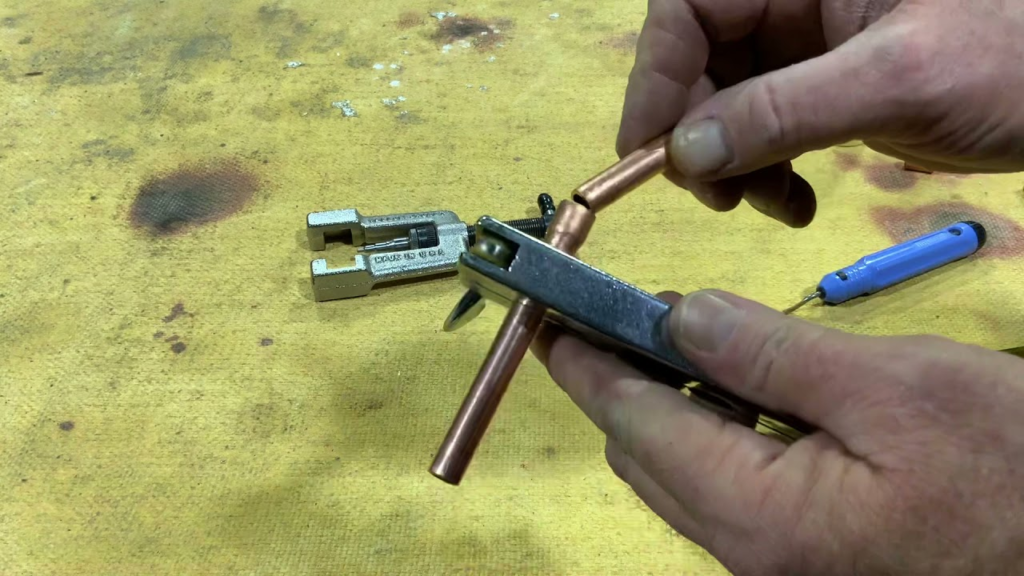
Correct technique is almost as important as the tool itself. Using the best HVAC flaring tool begins with preparing the tubing: clean, square cuts and removing burrs ensure the flare forms smoothly. The tube must be clamped securely, aligned evenly with the tool’s mandrel or cone, and flared with slow, steady pressure. Rushing or misalignment can cause uneven flares that fail under pressure. Many manufacturers include detailed instructions and even training videos to help technicians master the technique and achieve professional results consistently.
Benefits of High‑Quality Flares in HVAC Systems
Precision flares created by the best HVAC flaring tools bring multiple benefits. First, they create strong, leak‑resistant joints that maintain system pressure and efficiency. Second, accurate flares minimize refrigerant loss, which protects the environment and reduces operating costs. Third, precise connections reduce wear on compressor and expansion valve components by stabilizing system flow. Ultimately, good flares contribute to longer system lifespan and fewer maintenance calls — a direct advantage for both technicians and end customers.
Maintenance and Care of HVAC Flaring Tools
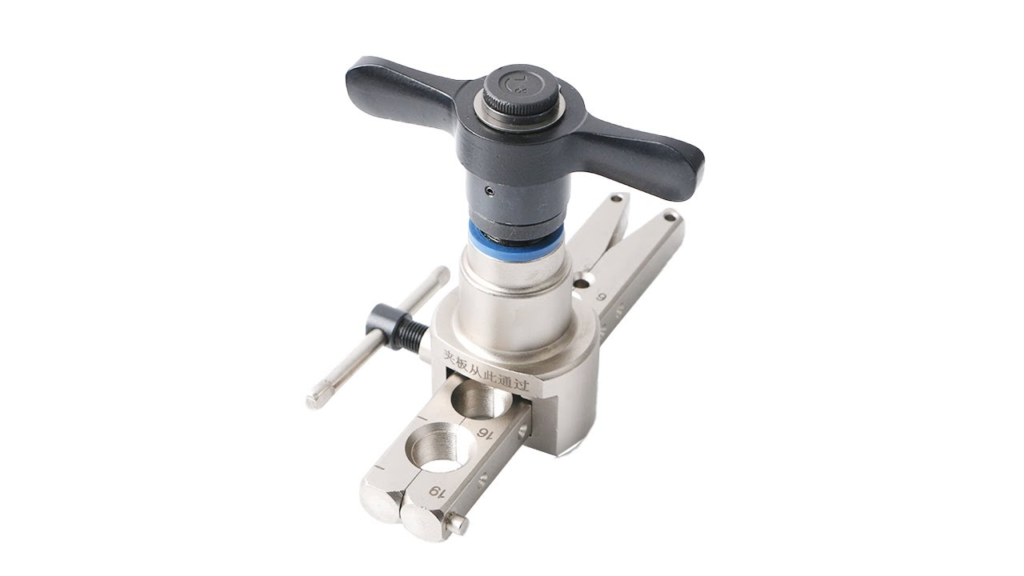
To ensure the best HVAC flaring tool continues to perform over time, proper maintenance is essential. After use, technicians should clean the tool to remove metal shavings, refrigerant residue, or moisture that can lead to corrosion. Lubricating moving parts and inspecting clamping surfaces for wear helps maintain tool accuracy. Storing tools in protective cases prevents damage during transport. A well‑cared‑for flaring tool delivers consistent results job after job and protects the technician’s investment.
The Role of Flaring in Professional Refrigeration Work
In refrigeration and air conditioning systems, flaring is more than a mechanical step — it is part of ensuring safety and regulatory compliance. Refrigerant lines operate under significant pressure and temperature variations, so a poor flare can lead to leaks that release harmful refrigerants into the environment. Technicians using the best HVAC flaring tool uphold industry standards and build trust with customers by demonstrating expertise and reliability. In regulated environments, proper flaring is not just professional — it’s essential.
Choosing the Right Flaring Tool for Your Workload
Selecting the best HVAC flaring tool involves assessing your day‑to‑day needs. Consider the range of tube sizes you encounter most often, whether you need single or double flare capability, and how much portability matters. Tools with modular adapters and quick‑change features may be ideal for mobile techs, while robust bench‑mounted options suit shop environments. Budget also plays a role, but professionals often agree that investing in high‑quality tools pays off quickly in reduced callbacks and faster job completion.
Final Thoughts on the Best HVAC Flaring Tool
The best HVAC flaring tool is a combination of precision engineering, durable construction, and ergonomic design. It enables technicians to create secure, leak‑free connections that are fundamental to HVAC and refrigeration system performance. For professionals, this tool is not just part of the toolkit — it is a standard of quality that reflects expertise, reliability, and commitment to excellence. Choosing the right flaring tool improves efficiency, reduces waste, and protects both equipment and reputation. In HVAC work, a great flare means a happy customer and long‑term peace of mind.