



Fast Wrench: Speed, Precision, and Efficiency in Modern Tool Design
In professional workshops and demanding job sites, time is everything. Every second saved on a task compounds into higher productivity, better workflow, and increased profitability. This is where the fast wrench earns its place as an essential tool for mechanics, technicians, and skilled tradespeople. A fast wrench is not just about tightening or loosening fasteners; it is about doing the job quicker, cleaner, and with greater control. Designed for speed without sacrificing accuracy, the fast wrench has become a go-to solution in environments where efficiency matters as much as strength.
What Is a Fast Wrench?
A fast wrench is a specialized hand tool engineered to accelerate fastening and unfastening tasks. Unlike traditional wrenches that require repeated repositioning, a fast wrench often incorporates features such as ratcheting mechanisms, ergonomic grips, quick-engage heads, or extended leverage designs. These features allow users to apply continuous motion, reducing downtime between turns. The result is smoother operation, less fatigue, and noticeably faster task completion — especially in repetitive or high-volume work.
Why Speed Matters in Professional Work
In automotive repair, industrial maintenance, HVAC servicing, and construction, professionals may tighten or loosen hundreds of fasteners in a single day. Using a standard wrench for every task slows progress and increases physical strain. A fast wrench is built specifically to reduce that inefficiency. By minimizing hand repositioning and maximizing torque transfer, it allows technicians to maintain momentum. Over time, this speed advantage translates into shorter job cycles, increased capacity, and better overall workflow management.
Key Features That Define a Fast Wrench
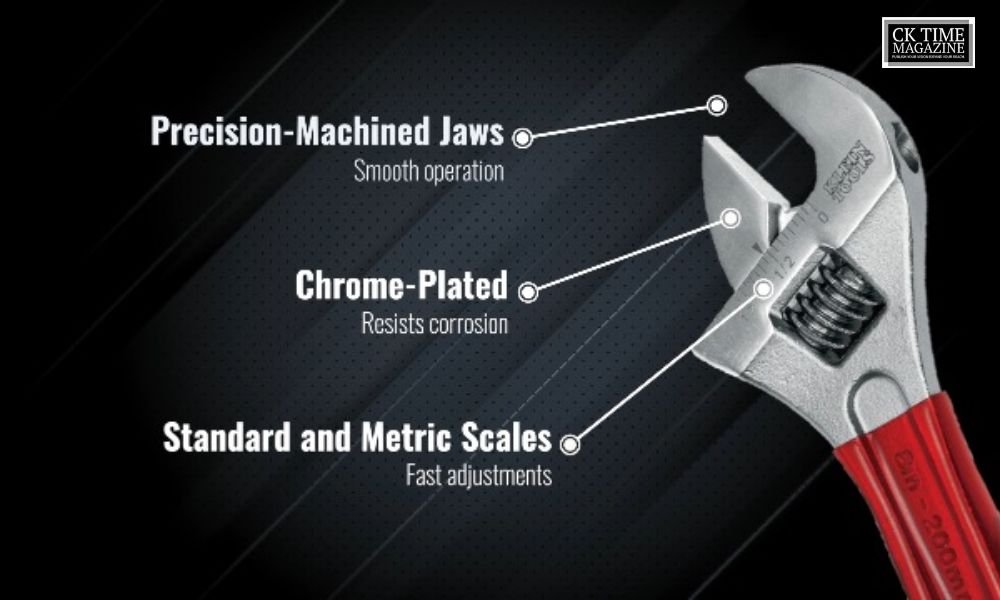
What separates a fast wrench from an ordinary wrench is thoughtful design. Many fast wrenches feature fine-tooth ratcheting systems that require minimal arc swing, making them ideal for tight spaces. Others include reversible mechanisms, offset heads, or flexible joints to access hard-to-reach fasteners. High-quality materials such as chrome vanadium steel ensure durability under constant use, while precision machining guarantees a snug fit that prevents rounding bolts. Every feature is focused on one goal — getting the job done faster and safer.
Ergonomics and User Comfort
Speed alone is not enough if a tool causes discomfort. A true fast wrench balances efficiency with ergonomics. Handles are often contoured to fit naturally in the hand, reducing grip fatigue during extended use. Some designs include anti-slip coatings or textured surfaces to maintain control even in oily or wet conditions. These ergonomic enhancements are critical for professionals who rely on hand tools daily, as they help prevent repetitive strain injuries while maintaining productivity.
Applications of the Fast Wrench in Automotive Work
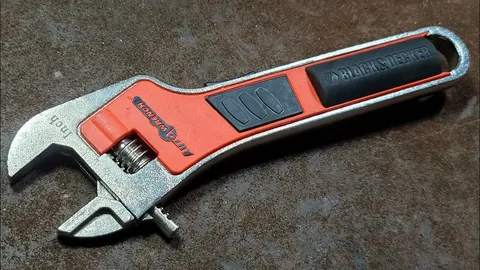
In automotive environments, the fast wrench is a game changer. Tasks such as engine assembly, suspension work, brake servicing, and interior repairs all involve repetitive fastening. A fast wrench allows mechanics to move quickly through these steps without compromising torque control. In tight engine bays or undercarriage work, the reduced swing angle of a ratcheting fast wrench becomes invaluable. This efficiency helps shops increase turnaround time while maintaining high repair standards.
Industrial and Construction Uses
Beyond automotive repair, the fast wrench plays a critical role in industrial maintenance and construction. Equipment assembly, machinery servicing, and structural installations often require precision fastening under time pressure. A fast wrench ensures consistent torque application while allowing technicians to work efficiently in confined or awkward spaces. In construction environments where delays can impact entire project timelines, having reliable, fast-acting tools directly affects project success.
Durability and Build Quality
A fast wrench is only as good as its durability. Professional-grade fast wrenches are built to withstand repeated high-torque use without failure. Heat-treated steel, reinforced ratcheting mechanisms, and corrosion-resistant finishes extend tool life even in harsh environments. Durability matters not just for longevity but also for safety. A worn or slipping wrench can damage fasteners or cause injury. High-quality fast wrenches maintain consistent performance over years of use.
Choosing the Right Fast Wrench
Selecting the right fast wrench depends on the work being performed. Size range, torque requirements, access limitations, and frequency of use all play a role. Professionals often invest in sets rather than single tools to cover multiple applications. A good fast wrench should feel solid in the hand, operate smoothly, and engage fasteners securely. Testing the ratcheting action and grip comfort before purchase is always recommended for long-term satisfaction.
Fast Wrench vs Traditional Wrench
While traditional wrenches still have their place, they cannot match the efficiency of a fast wrench in most modern workflows. Traditional designs require constant repositioning and more physical effort, especially in repetitive tasks. The fast wrench, by contrast, allows continuous motion and quicker engagement. For professionals paid by productivity or managing tight schedules, the difference is immediately noticeable. Over time, many technicians transition almost entirely to fast wrenches for daily work.
Maintenance and Care for Long-Term Performance
To keep a fast wrench performing at its best, basic maintenance is essential. Regular cleaning removes debris that can affect ratcheting mechanisms. Light lubrication ensures smooth operation and prevents internal wear. Proper storage in a toolbox or wrench organizer protects the tool from unnecessary damage. These simple steps extend the life of the fast wrench and preserve its performance advantages.
Productivity Gains and Professional Advantage

Using a fast wrench is not just about convenience — it is about professional advantage. Faster task completion means more jobs handled per day, better time management, and increased earning potential. For independent technicians, workshops, and contractors, these gains directly affect business performance. Clients benefit from quicker service, and technicians benefit from reduced physical strain and smoother workflows.
The Future of Fast Wrench Design
As tool technology evolves, fast wrench designs continue to improve. Manufacturers are experimenting with lighter materials, finer ratcheting systems, and hybrid designs that combine manual speed with powered assistance. These innovations aim to further reduce effort while maintaining precision and control. The fast wrench is no longer just a tool — it is part of a broader movement toward smarter, more efficient work practices.
Final Thoughts on Fast Wrench
The fast wrench represents a simple but powerful idea: work smarter, not harder. By combining speed, precision, and ergonomic design, it transforms routine fastening tasks into efficient, controlled operations. For professionals across automotive, industrial, and construction fields, a fast wrench is not a luxury — it is a necessity. Investing in the right fast wrench means investing in productivity, safety, and long-term performance.