

First Choice Equipment: Trusted Solutions for Professional Worksites
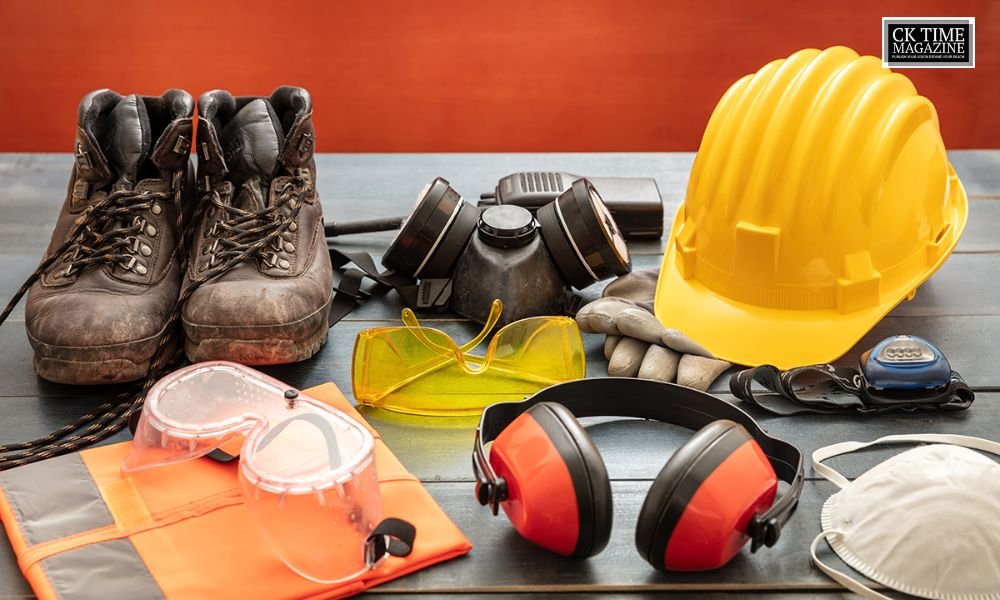
When businesses invest in machinery, tools, or heavy-duty systems, the decision often comes down to trust. Reliability. Long-term value. That’s where first choice equipment stands out. The phrase itself reflects more than preference — it signals confidence. First choice equipment refers to machinery and tools that professionals consistently select because they deliver performance, durability, and efficiency in real-world conditions. Across construction, industrial maintenance, agriculture, logistics, and manufacturing, first choice equipment is what keeps operations running smoothly when downtime is not an option.
What Does “First Choice Equipment” Really Mean?
First choice equipment is not about trend or branding hype. It’s about proven results. These are the machines and tools that decision-makers select first because they’ve already earned their place on the jobsite. Whether it’s heavy machinery, specialized tools, or essential operational equipment, being labeled first choice means it meets strict expectations for quality, safety, and performance. Companies don’t gamble on equipment — they choose what works. Again and again.
Why Businesses Prioritize First Choice Equipment

Every business operates under pressure. Deadlines. Budgets. Safety regulations. Using unreliable equipment increases risk across all of those areas. First choice equipment minimizes uncertainty. It’s chosen because it reduces breakdowns, lowers maintenance costs, and supports consistent productivity. Over time, this reliability translates into measurable savings and smoother workflows. That’s why experienced operators rarely experiment with unknown equipment when a trusted option is available.
Industries That Rely on First Choice Equipment
First choice equipment plays a critical role across many industries. In construction, it includes excavators, loaders, compressors, and power tools that must perform in harsh environments. In industrial and manufacturing settings, it refers to machines that maintain precision under constant operation. Agriculture relies on equipment that can withstand seasonal demands without failure. Even logistics and warehousing depend on first choice equipment like forklifts and material handling systems to maintain speed and safety. Across all sectors, the expectation is the same — dependable performance.
Performance and Durability as Core Values
At the heart of first choice equipment is durability. These machines are built with high-quality materials, tested under stress, and designed to handle heavy workloads. Performance is not measured only by power but by consistency. Equipment that performs well once but fails under pressure is not first choice. True first choice equipment maintains output day after day, job after job, without constant repairs or adjustments.
Safety and Compliance Standards
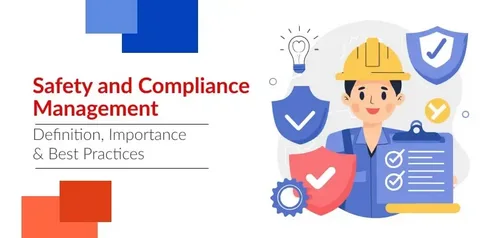
Safety is a major reason professionals choose first choice equipment. High-quality equipment is designed to meet or exceed industry safety standards. This includes stable operation, protective systems, ergonomic controls, and compliance with regulatory requirements. Using certified, well-engineered equipment reduces workplace accidents and protects both workers and businesses from liability. In many industries, equipment choice directly affects insurance costs and regulatory inspections — making first choice equipment a strategic decision, not just a technical one.
Cost Efficiency Over Time
While first choice equipment may not always be the cheapest upfront option, it often delivers the best return on investment. Lower-quality equipment may cost less initially but typically leads to higher maintenance expenses, downtime, and replacement costs. First choice equipment is built for longevity. Fewer breakdowns mean fewer interruptions. Over time, the total cost of ownership is significantly lower, making it a financially sound decision for serious operations.
First Choice Equipment and Workforce Productivity
Equipment quality directly impacts worker productivity. Tools and machines that operate smoothly reduce frustration and fatigue. Operators work faster and more confidently when they trust their equipment. First choice equipment supports efficient workflows by eliminating unnecessary delays caused by malfunctioning or underperforming machines. When workers can rely on their equipment, morale improves — and so does output.
Technology and Innovation in Modern Equipment
Modern first equipment often integrates advanced technology. This may include digital monitoring systems, fuel-efficient engines, automation features, or smart diagnostics. These innovations help businesses track performance, schedule maintenance proactively, and optimize usage. Technology-driven equipment allows operators to identify potential issues before they cause failures, further strengthening reliability and cost control.
Maintenance and Support Availability
Another reason certain machines become first equipment is support infrastructure. Reliable equipment is backed by accessible service networks, available spare parts, and clear maintenance documentation. When service is needed, fast response times and expert support minimize downtime. Equipment without proper support quickly becomes a liability — no matter how powerful it looks on paper.
Choosing the Right First Choice Equipment
Selecting first equipment requires understanding job requirements, operating conditions, and long-term goals. Decision-makers evaluate load capacity, operating environment, frequency of use, and compatibility with existing systems. Recommendations from experienced professionals, field-tested performance, and brand reputation all play a role. The goal is not just to buy equipment — it’s to invest in reliability.
Sustainability and Environmental Considerations
Today, first equipment also reflects environmental responsibility. Many modern machines are designed to reduce emissions, improve fuel efficiency, and meet sustainability standards. Businesses increasingly prefer equipment that aligns with environmental regulations and corporate responsibility goals. Sustainable equipment not only reduces environmental impact but also improves public image and regulatory compliance.
First Choice Equipment for Growing Businesses
For growing companies, choosing the right equipment early can shape long-term success. First choice equipment supports scalability by handling increased workloads without major upgrades. Instead of constantly replacing underpowered machines, businesses that invest wisely can grow operations with confidence. This stability allows leadership to focus on expansion rather than equipment failures.
Final Thoughts on First Choice Equipment
First choice equipment represents more than preference — it represents experience, trust, and proven performance. Across industries, professionals rely on equipment that delivers reliability, safety, and efficiency without compromise. Choosing first choice equipment is a strategic decision that protects productivity, supports workers, and strengthens long-term business success. When performance matters and failure is not an option, first equipment is exactly that — the first choice.