


Franchise Digital Marketing Driving Growth Through Local Strategy
Introduction: Why Franchises Need a Unique Digital Marketing Approach
Franchises are different from single-location businesses. They’re not huge corporations. They’re not mom-and-pop shops. They sit somewhere in between. Multiple locations. Independent owners. A shared brand identity. Shared challenges. Marketing a single franchise is difficult enough. Marketing a full network? That’s a whole new level. Most brands try generic marketing. It fails. Fast. Because one message doesn’t fit all. Every location has different customers, local competition, and culture. Franchise digital marketing solves this problem. It’s about creating a central strategy that scales, while allowing flexibility locally. The goal is to maintain brand consistency across the network, but also make each location feel unique. The result is stronger engagement, more leads, and higher ROI.
In the early days, many franchise brands treated digital marketing as a side project. Corporate would design campaigns, franchisees would post them, sometimes blindly. Sometimes they tried running their own ads, with mixed results. Some locations thrived. Others failed. It wasn’t a lack of effort. It was lack of strategy. A well-structured franchise digital marketing plan avoids these pitfalls. It ensures every campaign is intentional, every post has a purpose, and every ad connects with the right audience at the right time. And most importantly, it balances brand standards with local relevance.
Understanding the Complexity of Franchise Marketing
Franchise marketing is tricky. Unlike independent businesses, franchises operate on two levels: the corporate brand and the local franchise. One message must resonate across the network while still being relevant to each community. This is where franchise digital marketing becomes essential. It’s like composing music. There’s a main theme—the brand identity—but instruments vary slightly at each location to fit the local performance.
Local SEO is one example. Each franchise needs its own optimized Google Business Profile, accurate hours, correct addresses, and customer reviews. Social media campaigns need flexibility. A franchise in Chicago might thrive on Instagram, while one in Houston performs better on Facebook. Ads, promotions, content—all of it must feel local without diluting the central brand identity. Balancing corporate oversight with local freedom is an art. Done right, it builds brand trust, local engagement, and measurable growth. Done wrong, it causes confusion, inconsistent messaging, and wasted budget.
Storytelling Across the Franchise Network

People connect with stories, not promotions. This principle is key in franchise marketing. Franchise digital marketing leverages storytelling to unify brand identity while allowing each franchise to share local narratives. One location might post about a loyal customer who’s been visiting for years. Another might highlight community service or a local event sponsorship. Together, these stories form a rich tapestry of authentic engagement.
For example, a fast-food franchise in Miami shared a story about a local teacher who used their catering services for a school event. They posted pictures, quotes, and a short video. Engagement skyrocketed. A neighboring franchise in Orlando shared a story about a charity event they sponsored. Both stories fit the brand but were locally relevant. This is creative franchise digital marketing at work. It connects audiences emotionally while reinforcing brand identity. Stories like these make the brand memorable, relatable, and trustworthy.
Content Marketing That Builds Local Authority
Content is critical for franchise growth. But it can’t be one-size-fits-all. Franchise digital marketing emphasizes localized content creation alongside central strategy. Corporate provides guidance on brand tone, messaging, and SEO best practices. Local franchises supply authenticity. Blog posts, event highlights, customer testimonials, and community stories all work together to build local authority.
For instance, a fitness franchise could create a corporate blog about general wellness tips. Individual gyms can write localized content about classes, trainers, or community challenges. These localized blogs not only engage local audiences but also improve search visibility. The combination of corporate and local content drives both brand awareness and search rankings.
Local SEO for Franchise Success
SEO for franchises isn’t just about ranking once. Each location competes for local visibility. Google evaluates searches locally, so optimized Google My Business profiles are non-negotiable. Localized keywords, reviews, and structured data all matter. Franchise digital marketing focuses on building strong local SEO foundations across every location.
For example, a multi-location pizza chain optimized each franchise page with location-specific keywords: “best pizza in [City],” “pizza delivery near [Neighborhood],” “family-friendly pizza [City].” They encouraged customers to leave reviews and responded to them promptly. As a result, every location started ranking for local searches, driving foot traffic and online orders. Local SEO doesn’t just bring traffic. It builds credibility in the community.
Social Media Marketing with a Local Focus
Social media is a double-edged sword for franchises. Corporate campaigns that are identical across all locations often feel generic. Leaving franchisees to manage social media themselves can lead to inconsistent branding. Franchise digital marketing balances this by providing corporate-approved templates while allowing local customization.
A franchise in Austin might post about local events, a charity drive, or a new hire. Another location in Dallas might showcase customer reviews, local sports sponsorships, or community collaborations. Corporate campaigns guide visuals, messaging, and hashtags. Local posts build engagement, community trust, and a sense of authenticity. This approach strengthens the network’s presence while keeping each location connected to the community it serves.
Paid Advertising for Franchises
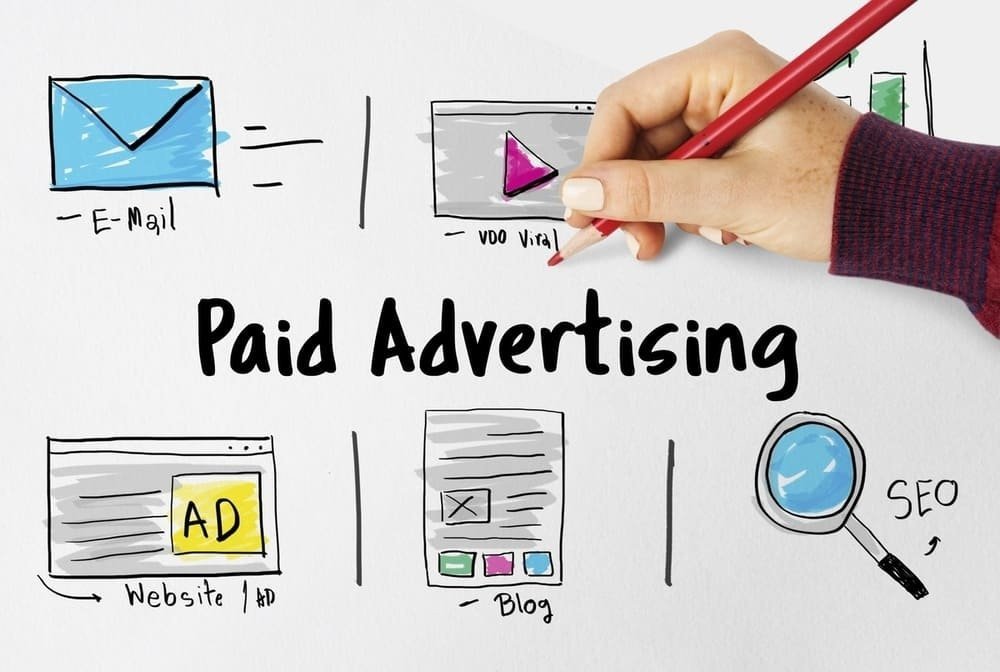
Paid ads are highly effective but complex for franchises. Budgeting, regional competition, and varying results make it challenging. Franchise digital marketing uses centralized planning with local flexibility. Ads are created centrally but customized by location. Targeting is specific. Messaging is relevant. Performance is monitored at both corporate and local levels.
For example, a coffee franchise ran a corporate campaign promoting seasonal drinks. Each franchise tailored the messaging to local tastes, events, or promotions. The corporate team monitored results, sharing insights and best practices across the network. Locations with lower performance received guidance to optimize ad copy, creative, and audience targeting. This approach improved ROI, engagement, and brand consistency simultaneously.
Email Marketing Across Franchise Locations
Email marketing remains one of the most cost-effective channels. For franchises, it requires coordination. Corporate campaigns must align with brand messaging. Local campaigns add personal touches. Franchise digital marketing uses email to build relationships, not just promote. Personalized offers, event announcements, and community engagement stories strengthen trust and engagement.
A fitness franchise, for instance, sends corporate newsletters about general wellness tips. Individual gyms add local class schedules, success stories, or community events. The combination increases open rates, engagement, and conversions. Done wrong, emails feel generic. Done right, they reinforce both brand and local presence.
Maintaining Consistency Across the Network
Consistency is key. Customers expect the same experience regardless of location. This applies to marketing messages as much as service quality. Franchise digital marketing ensures that visuals, tone, and campaigns remain aligned while allowing for local adaptation. Templates, brand guidelines, and ongoing training make this possible. Too much central control stifles creativity. Too little results in chaos. The right balance strengthens brand recognition and local trust.
Measuring Franchise Marketing Performance
Metrics are essential. But context matters. Each location may have different goals, seasonal trends, and competitive pressures. Franchise digital marketing tracks KPIs at both corporate and local levels. Website traffic, conversions, leads, engagement, and ROI are monitored. Insights inform future campaigns, identify underperforming locations, and highlight best practices. Case studies are shared across the network to scale successes. For example, a franchise that increased local social media engagement by 25% shared its strategy with other locations. The entire network benefited.
Case Study: How a Fast-Food Franchise Scaled Nationally
A national fast-food franchise struggled to balance corporate campaigns with local engagement. Corporate ads drove brand awareness but didn’t resonate with local customers. Franchise digital marketing helped by implementing a dual strategy: centralized creative campaigns with local customization.
Each location could highlight local promotions, community involvement, and customer stories. Google Business Profiles were optimized for local searches. Ads were targeted geographically, with messaging tailored to local preferences. Social media posts blended corporate branding with local storytelling. Within six months, sales increased by 18%, local engagement by 40%, and online reviews by 35%. This shows how effective franchise digital marketing can be when executed thoughtfully.
Case Study: A Fitness Franchise Using Local SEO
A multi-location fitness franchise wanted to attract new members. Corporate created general wellness blogs. Local gyms wrote hyper-local content: trainer spotlights, community challenges, and success stories. Franchise digital marketing optimized each location’s Google My Business profile and encouraged reviews. Local keyword targeting brought each gym to the top of local searches. Member sign-ups increased by 22% in six months. Each gym felt empowered, and the corporate brand grew stronger.
Overcoming Common Challenges
Franchise digital marketing is not without obstacles. Some franchisees resist corporate strategies. Others lack skills or resources. Budget constraints, misaligned expectations, and inconsistent reporting can all cause problems. Centralized training, templated campaigns, and ongoing support solve these challenges. Communication is critical. Creative campaigns fail if the network isn’t aligned. Done right, franchises achieve consistent brand messaging, local relevance, and measurable results.
The Future of Franchise Digital Marketing
The future is digital-first, localized, and data-driven. AI, automation, and analytics are transforming marketing. Franchise digital marketing will increasingly combine predictive analytics, hyper-local targeting, personalized content, and automation while preserving brand identity. Networks that embrace this future will scale efficiently, maintain consistency, and engage communities. Creativity, strategy, and technology will remain the differentiators.
Conclusion: Why Franchise Digital Marketing is EssentialFranchises cannot afford generic marketing. They need strategies that scale, adapt, and deliver measurable results. Franchise digital marketing combines central control with local flexibility. It uses storytelling, local SEO, social media, paid ads, and email marketing to build engagement and revenue. With proper planning, execution, and measurement, franchises can achieve sustainable growth, stronger brand recognition, and a loyal customer base. Networks that embrace both creativity and strategy will thrive in the competitive digital landscape.