

How to Read Manga: A Complete Beginner’s Guide
Introduction: Entering the World of Manga
If you have ever picked up a manga book and felt confused, you are not alone. Many first-time readers open a manga volume, glance at the pages, and instantly think something is wrong. The panels seem backwards. The speech bubbles feel out of order. The action jumps in unexpected ways. And yet, millions of readers around the world swear by this art form. That curiosity is exactly where your journey into how to read manga begins. Manga is not difficult. It is different. And once you understand the flow, it becomes addictive, emotional, and deeply immersive. Manga is storytelling at speed. It is silence and explosion combined. You just need to learn how to listen to it.
What Is Manga and Why It Feels Different
Manga is Japanese comic art, but calling it just “comics” undersells its depth. Manga covers everything. Romance. Horror. Business. Cooking. Philosophy. Sports. Even quiet stories where nothing happens, yet everything changes. The biggest difference is structure. Manga is traditionally read from right to left. That single fact alone scares beginners. But it shouldn’t. Think of it as learning to drive on the other side of the road. Strange at first. Natural later.
Manga also respects silence. Western comics often explain everything. Manga lets images breathe. A character staring at the sky might take three pages. No dialogue. Just feeling. This is why learning how to read manga properly matters. You are not just reading words. You are reading moments.
How to Read Manga the Right Way (Yes, Right to Left)
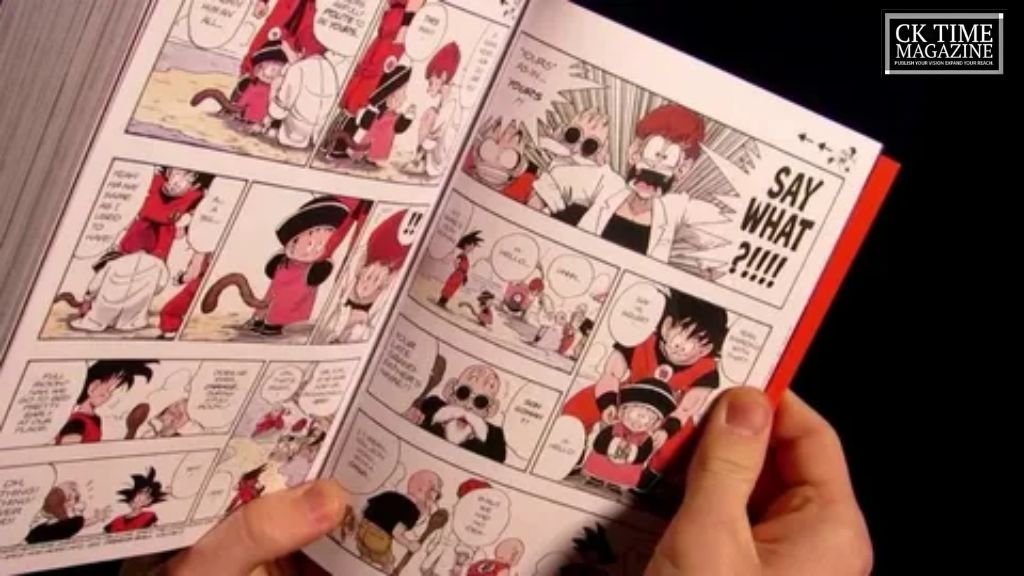
Let’s address the biggest hurdle first. Manga is read from right to left. That means you start at the back of the book, not the front. The panels flow from the top-right corner to the left, then downward. Your eyes move in a Z-like pattern, but reversed. At first, your brain resists. It wants to jump ahead. It wants order. Ignore it. Let the panels guide you.
Speech bubbles also follow this flow. You read the bubble that appears highest and farthest to the right first. Then move left. Then down. Sometimes bubbles overlap. Sometimes they float. Manga expects you to slow down. Rushing causes confusion. Reading manga is less about speed and more about rhythm.
Understanding Manga Panels Without Overthinking
Panels in manga are not random boxes. They are emotional beats. A large panel usually means something important. A tiny panel means a quick reaction. A borderless panel often signals memory, shock, or intense emotion. When you learn how to read manga panels, you stop asking “what comes next” and start feeling “what matters now.”
Some pages look chaotic. Action scenes explode across the page. Lines bend. Characters break panel borders. This is intentional. Manga uses visual chaos to show physical chaos. Do not try to control it. Follow the motion. Your eyes will naturally trace the action if you relax.
The Role of Artwork in Manga Storytelling
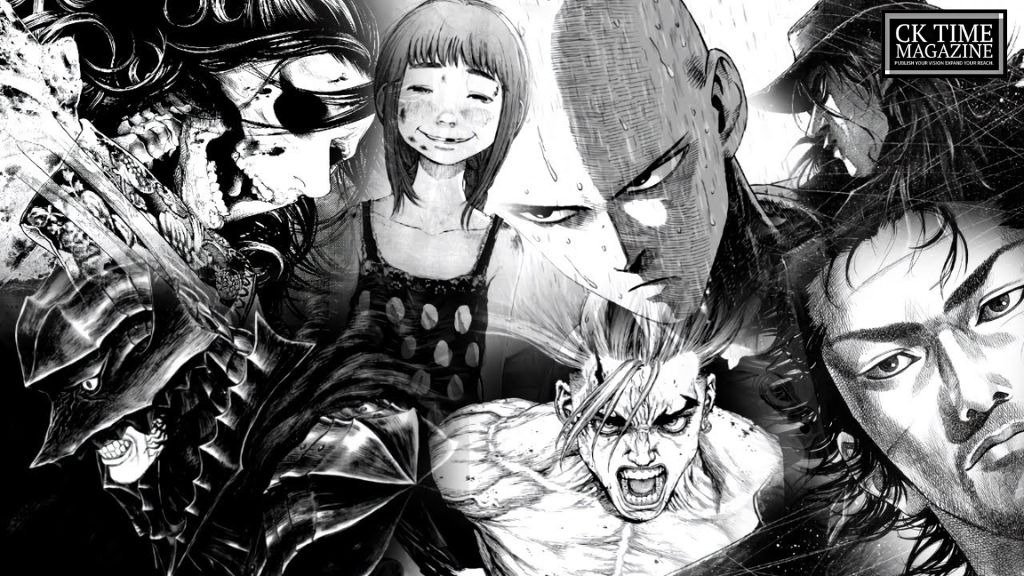
Manga art is not decoration. It is the story. Facial expressions carry meaning that dialogue never explains. A sweat drop can mean nervousness. A dark shadow over the eyes can mean rage or despair. Speed lines show motion. Background fades show isolation. These visual cues are part of the language. Ignoring them means missing half the story.
When learning how to read manga, pay attention to repeated symbols. Flowers. Birds. Rain. Empty rooms. Japanese creators use visual metaphors often. Over time, you start recognizing emotional shorthand. It feels like learning a new accent. Familiar, but unique.
Manga Genres Explained for New Readers
Manga is not divided by genre alone. It is divided by audience. Shonen is aimed at young boys, full of action and growth. Shojo targets young girls, often emotional and romantic. Seinen is for adult men, darker and complex. Josei is for adult women, realistic and intimate. This does not mean you are restricted. It just helps set expectations.
If you are new and trying to understand how to read manga comfortably, start with a genre you already enjoy. Like sports? Try sports manga. Love romance? Shojo is welcoming. Into psychology? Seinen might hook you fast. Familiar themes make learning the format easier.
Physical Manga vs Digital Manga Reading
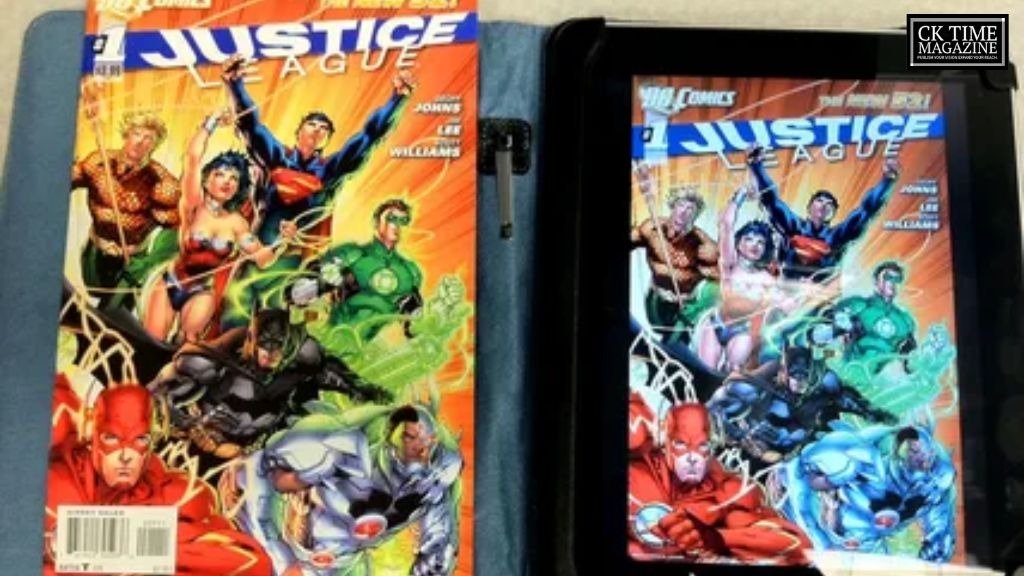
Reading physical manga feels different. The paper. The smell. The weight. Turning pages backwards feels wrong at first, then satisfying. Digital manga, however, removes confusion. Many apps guide panel flow automatically. This can help beginners understand direction without frustration.
Both methods are valid. If your goal is to master how to read manga, digital can be training wheels. Physical is the full experience. Some readers switch between both. There is no rule. Manga welcomes flexibility.
Common Beginner Mistakes When Reading Manga
New readers often skim too fast. Manga is not meant to be rushed. Another mistake is reading dialogue out of order. This causes confusion and makes the story feel messy. Some ignore background art entirely. That removes emotional context.
Another big mistake is assuming confusion means failure. It doesn’t. Every manga reader was once confused. The skill develops quietly. One day, you just get it. That moment is powerful.
Cultural Context That Enhances Manga Reading
Understanding Japanese culture helps, but it is not required. Honorifics like “-san” or “-kun” show relationships. School settings follow Japanese norms. Food, festivals, and traditions appear often. You can enjoy manga without knowing these things, but learning them adds depth.
As you improve at how to read manga, cultural curiosity grows naturally. You start Googling terms. You recognize patterns. Manga becomes a bridge, not a barrier.
How to Read Manga for Emotional Impact
Manga is emotional. Deeply. It does not always tell you how to feel. It shows you. Long silent panels hit harder than speeches. Character reactions linger. This is intentional pacing.
When reading, pause. Let moments settle. Do not flip pages too fast during quiet scenes. Manga rewards patience. This is where many readers fall in love.
Choosing the Right Manga as a Beginner
Start simple. Do not begin with complex, philosophical series. Choose something known for clarity and pacing. Popular manga are popular for a reason. They are accessible.
When people ask how to read manga without getting overwhelmed, the answer is always the same. Start small. One volume. One story. Let curiosity do the rest.
Language Barriers and Translation Quality
Good translation matters. Poor translation ruins flow and jokes. Official releases usually offer better quality. Fan translations can be good, but inconsistent. If dialogue feels awkward, it might not be the manga’s fault.
Pay attention to sound effects too. Some are translated. Some are not. Over time, you recognize common ones. Boom. Slash. Silence. They become second nature.
How to Read Manga Faster Without Losing Meaning
Speed comes with familiarity. You do not force it. As you read more, your brain processes visual language faster. Panels feel intuitive. Dialogue placement becomes obvious.
If your goal is to master how to read manga efficiently, consistency matters more than speed. Read a little every day. Improvement sneaks up on you.
Manga vs Anime: Reading vs Watching
Anime moves for you. Manga asks you to move. Both tell stories, but differently. Manga gives control. You decide pacing You linger where it hurts. You rush where it excites.
Many readers start with anime and move to manga. Familiar characters make reading easier. This is a smart path. There is no wrong entry point.
Building a Manga Reading Habit
Habits form quietly. Set a time. Night works well. Manga fits into small moments. One chapter before sleep. One during breaks. It adds up.
Understanding how to read manga is not a skill you finish. It evolves. Every new series teaches something new.
Advanced Manga Reading Techniques
Advanced readers notice panel symmetry. Visual foreshadowing. Repeated imagery across chapters. Manga artists plan deeply. Rereading reveals hidden layers.
Once you reach this stage, manga stops being entertainment only. It becomes art study. Emotional archaeology.
Why Manga Connects So Deeply With Readers
Manga respects intelligence. It does not overexplain. It trusts readers. This creates connection. You participate in the story.
That is the real secret behind how to read manga. You are not consuming content. You are collaborating with it.
Final Thoughts: Your Manga Journey Starts Now
Learning how to read manga is not about rules. It is about comfort. Direction becomes natural. Confusion fades. Emotion stays.
One day, you will open a manga without thinking. Your eyes will flow. Your heart will respond. That is when you realize. You are no longer learning how to read manga. You are simply reading it.
One thought on “How to Read Manga: A Complete Beginner’s Guide”