



HVAC Tech Tool List – The Complete Guide for Professionals and DIYers
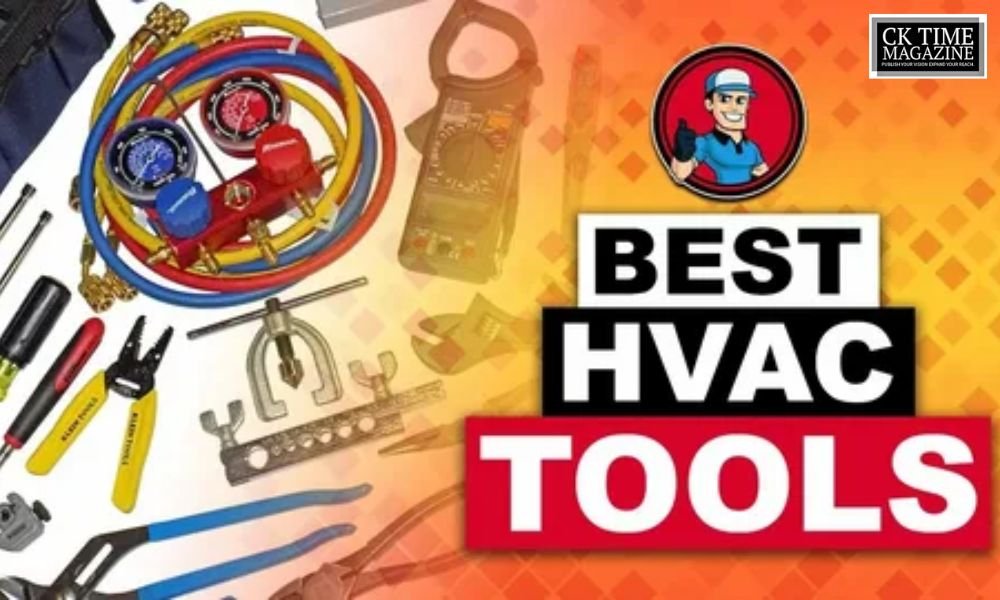
HVAC tech tool list is more than just a checklist. It represents everything a heating, ventilation, and air conditioning technician needs to do the job efficiently, safely, and accurately. From small hand tools to advanced diagnostic equipment, every tool plays a role in diagnosing problems, performing repairs, installing new systems, and maintaining equipment. Whether you’re a professional technician working in residential or commercial HVAC systems or a DIY enthusiast looking to handle your own maintenance, knowing which tools are essential is crucial.
Why Having a Proper HVAC Tech Tool List Matters
Working without the proper tools slows you down, increases mistakes, and can even be dangerous. HVAC systems involve electricity, refrigerants, airflow, and complex mechanical components. Tools allow technicians to measure, adjust, and repair systems accurately. A well-prepared HVAC tech tool list ensures that the right tool is available for each task, improving efficiency, reducing risk, and ensuring quality service.
Basic Hand Tools Every HVAC Technician Needs

Every HVAC tech starts with the basics. These include screwdrivers, pliers, wrenches, hammers, tape measures, and utility knives. While simple, these tools are used in nearly every repair and installation task. Quality matters: a good wrench or screwdriver reduces wear on fasteners and makes repetitive tasks easier. Even a small hammer or tape measure plays a vital role in installations and repairs.
Specialty HVAC Tools
Beyond the basics, HVAC techs rely on specialized tools that are specific to heating, ventilation, and air conditioning systems.
Manifold Gauge Sets
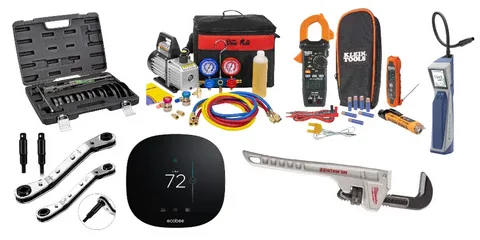
Manifold gauges measure pressure in refrigeration systems, helping technicians check for leaks, overcharging, or system failures. They are essential for diagnosing A/C and refrigeration systems accurately.
Thermometers and Temperature Probes
Temperature readings are critical in HVAC work. Thermometers and probes measure supply and return air, refrigerant temperatures, and environmental conditions to ensure systems operate efficiently.
Refrigerant Recovery and Charging Tools
Proper handling of refrigerants requires recovery machines, vacuum pumps, and charging scales. These tools allow HVAC techs to evacuate air and moisture from systems and charge them with the correct amount of refrigerant, ensuring performance and compliance with environmental regulations.
Leak Detection Tools
Leaks are a common cause of HVAC system inefficiency. Tools like electronic leak detectors, UV dye kits, and ultrasonic detectors help technicians identify and repair leaks quickly and accurately.
Electrical Testing Equipment
Multimeters, clamp meters, and voltage testers are essential for diagnosing electrical issues in HVAC systems. These tools ensure that motors, capacitors, and wiring are functioning properly and safely.
Power Tools for HVAC Work
Power tools make HVAC tasks faster and more efficient. Cordless drills, impact drivers, and reciprocating saws are commonly used for installations, ductwork, and component replacements. Good-quality power tools save time and reduce physical strain during repetitive tasks.
Safety Equipment
Safety is paramount in HVAC work. Technicians must wear protective gloves, goggles, and respirators when working with refrigerants and electrical components. Tools like insulated screwdrivers and voltage testers add a layer of protection when working with live circuits. Including safety equipment in the HVAC tech tool list ensures technicians stay protected while performing their duties.
HVAC Software and Diagnostic Tools
Modern HVAC systems include smart components and sensors that require specialized diagnostic tools and software. These tools allow technicians to read system data, troubleshoot electronic controls, and optimize performance. Software-connected devices are increasingly essential for professional HVAC work.
Organizing and Maintaining Your HVAC Tool List
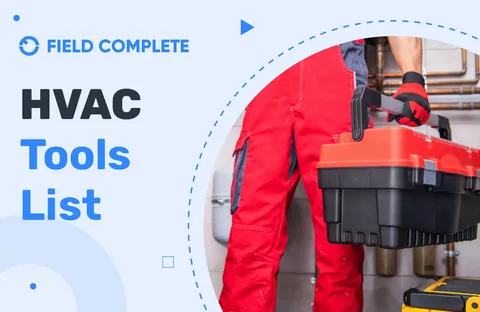
A good HVAC tech tool list is only useful if tools are organized and maintained. Proper storage, regular calibration of measuring devices, and timely replacement of worn tools ensure reliability on every job. Mobile toolboxes, labeling systems, and inventory tracking apps help keep the list manageable and accessible.
Customizing Your HVAC Tech Tool List
Every technician’s needs differ depending on the type of HVAC systems serviced. Residential techs may focus more on small ductwork tools and refrigerant handling, while commercial techs may need heavy-duty power tools, advanced leak detection, and ductwork fabrication equipment. Adjust your HVAC tech tool list to match your work scope for maximum efficiency.
The Future of HVAC Tools
As HVAC technology evolves, the tool list grows. Smart thermostats, IoT-connected devices, energy-efficient systems, and advanced refrigerants require new tools and skills. Keeping the HVAC tech tool list updated ensures technicians remain effective and competitive.
Final Thoughts
An HVAC tech tool list is more than a collection of instruments — it is the foundation for efficient, safe, and high-quality service. From basic hand tools to advanced diagnostic equipment, having the right tools at hand makes a difference in every repair, installation, and maintenance task. Technicians who invest in the right tools not only improve their work but also provide better service, safety, and reliability for their clients. In short, the right tools make all the difference in the HVAC industry.

2 thoughts on “HVAC Tech Tool List – The Complete Guide for Professionals and DIYers”