



Logistics Robotics News: How Intelligent Machines Are Quietly Reshaping
Introduction: When the Warehouse Went Silent
The silence was unusual. Too clean. Too controlled. In a modern fulfillment center outside Rotterdam, machines moved where people once hurried. No shouting. No whistles. Just motion. This is where logistics robotics news truly begins, not with announcements, but with absence. The absence of chaos.
Logistics has always been about movement, pressure, and time. Goods must arrive. Delays cost money. Errors cost reputation. Robotics entered this world quietly, almost politely, and then stayed. Today, logistics robotics news reflects not experimentation, but dependence.
Logistics robotics is no longer some loud future prediction. It’s already here. Quietly moving. Slowly changing the rules. Across warehouses, ports, and fulfillment centers, intelligent machines are taking over tasks humans once did manually, and they’re doing it without much noise. No big announcements. No dramatic countdowns. Just results. Faster picking. Fewer errors. Lower costs.
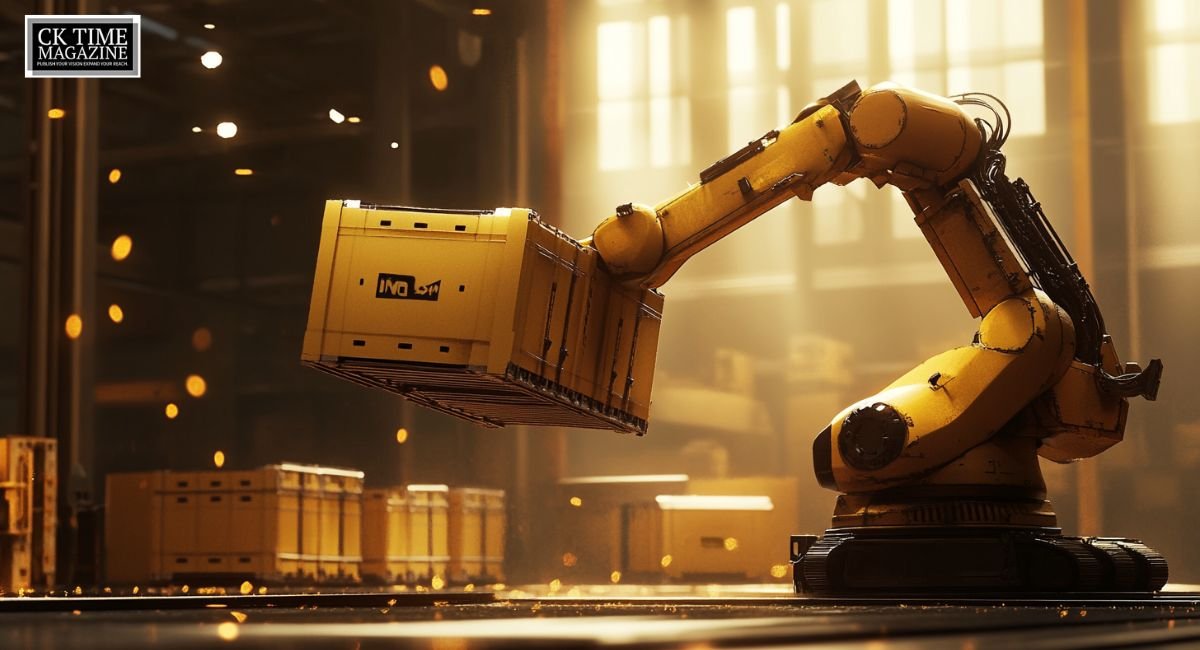
Global supply chains today are under pressure like never before. Rising labor shortages. Tight delivery timelines. E-commerce expectations that leave no room for delays. This is where logistics robotics enters the picture, not as a replacement story, but as a survival one. Autonomous mobile robots glide across warehouse floors. Robotic arms sort, pack, and lift without breaks. AI-powered systems predict demand before problems even appear.
What makes this shift interesting is how subtle it feels. Many consumers never see these machines, yet their online orders arrive quicker than ever. Behind the scenes, companies are quietly investing billions into robotics-driven logistics to stay competitive. And they have to. Manual processes simply can’t scale at the speed modern trade demands.
The Evolution of Logistics Automation
Automation in logistics is not new. Conveyors existed decades ago. Barcode scanners changed everything. But robotics introduced autonomy. Decision-making. Flexibility. That shift matters.
Earlier systems followed fixed rules. Robots today adapt. They reroute. They pause They learn. In recentlogistics robotics news, adaptability is the real headline, even when it is not explicitly stated.
A warehouse no longer needs to be redesigned around machines. Machines now redesign themselves around the warehouse. That subtle change explains why adoption accelerated so fast after 2020.
Warehouses: The First Major Transformation
Warehouses became the testing ground. They were controlled environments. Predictable. Perfect.
Autonomous mobile robots began assisting human pickers. Short trips. Less walking. Fewer injuries. Productivity climbed, but something else changed too. Work felt lighter. Less exhausting. This human angle rarely dominates logistics robotics news, but it shapes long-term success.
Long paragraphs belong here because warehouses are not simple. One robot improves pick speed. That improves order accuracy. That reduces returns. That affects customer loyalty. Everything connects.
Collaborative Robots and the Human Factor
Cobots changed the tone of automation. They were smaller. Slower. Safer. Designed to share space.
In logistics robotics news, cobots often appear as technical upgrades. In reality, they are cultural tools. They lower fear. They soften resistance. A worker who trusts a robot works better with it. Simple.
Mistakes still happen. Cobots misjudge distances. Sensors fail. Small errors. But trust grows faster than perfection.
Ports and Heavy Logistics Automation
If warehouses whispered, ports roared.
Automated cranes dominate major ports now. Singapore, Shanghai, and Rotterdam lead the conversation in logistics robotics news for good reason. These ports operate almost continuously. Algorithms schedule movements. Delays shrink. Energy use drops.
Yet implementation is brutal. Expensive infrastructure. Labor negotiations. Political scrutiny. Ports cannot move overnight. Every robotic crane tells a story of compromise.
Artificial Intelligence Behind the Machines
Robots move. AI decides.
Modern logistics robots rely on machine learning for path optimization, demand forecasting, and predictive maintenance. This creates a compounding advantage. Systems improve simply by existing longer.
In logistics robotics news, AI is often mentioned casually, but it is the nervous system. Without it, robots are just expensive tools. With it, they become strategic assets.
Small and Medium Businesses Enter the Scene
Large corporations dominated early adoption. That changed.
Robotics-as-a-service lowered barriers. Modular systems allowed gradual scaling. A mid-sized distributor can now automate without risking collapse. This shift quietly reshapes competition, though headlines lag behind reality.
Logistics robotics news increasingly includes regional players, not just global giants. That trend will continue.
Developing Economies and Robotics Adoption
In emerging markets, robotics is framed differently. Not as labor replacement. As stability.
High turnover. Safety risks. Inconsistent training. Robots address these issues directly. Governments fund pilot programs. Results vary. Lessons accumulate.
The story here is cautious optimism. Not hype.
Environmental Impact and Sustainability
Efficiency reduces waste. That is not marketing. It is math.
Robotics optimizes routes. Minimizes idle time. Lowers emissions. When paired with electric fleets, automated logistics supports climate goals. This alignment appears frequently in logistics robotics news because it matters politically and financially.
Resistance, Fear, and Change Management
Technology fails without trust.
Workers fear displacement. Managers fear disruption. Customers fear delays. Companies that ignore this struggle. Those that invest in training and communication succeed.
Logistics robotics news often reports deployments, not transitions. The transition is where success is decided.
The Present and the Road Ahead
In 2026, logistics robotics is no longer novel. It is expected. The question has shifted. Not should we automate, but how well can we integrate.
The future favors coordination. Humans and machines working together. Quietly. Relentlessly. Efficiently.
Conclusion: A Story Still Being Written
The rise of logistics robotics marks a turning point in how global supply chains operate. What once depended heavily on manual labor, paper tracking, and guesswork is now driven by data, automation, and intelligent decision-making. And the change isn’t slowing down. In fact, it’s accelerating.
As supply chains grow more complex, robotics offers something rare: consistency. Machines don’t get tired. They don’t slow down during peak seasons. They adapt, learn, and optimize over time. This reliability is becoming essential in a world where delays cost millions and customer patience is thin. From small fulfillment centers to massive global distribution hubs, robotics is no longer optional. It’s becoming the standard.
Still, this shift isn’t without challenges. High upfront costs. Integration issues. Workforce reskilling. These are real concerns, and companies that rush without planning often struggle. But those who invest smartly, step by step, are already seeing long-term gains. Better accuracy. Faster turnaround. Stronger resilience during disruptions.


One thought on “Logistics Robotics News: How Intelligent Machines Are Quietly Reshaping”