


Maduro Faces U.S. Charges as Trump Targets Venezuela Oil
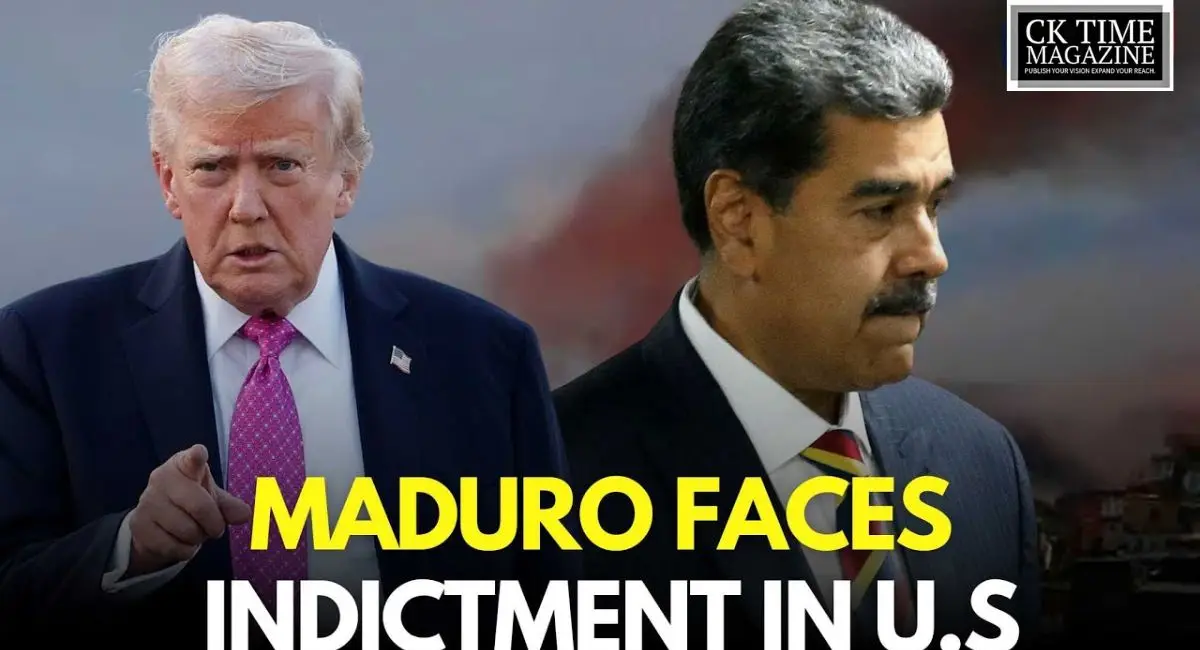
Power rarely collapses quietly. It resists. It delays It reshapes itself. And then, sometimes, it walks straight into a courtroom. The momentMaduro Faces U.S. Charges as Trump Targets Venezuela Oil feels like one of those rare inflection points where politics, justice, ego, and energy collide without apology. No careful language. No diplomatic cushioning. Just consequences looming, statements flying, and oil sitting patiently at the center of it all.
This is not a single headline story. It’s a long unraveling. Years in the making. Decades, even. Nicolás Maduro didn’t wake up one morning and suddenly face U.S. charges. Donald Trump didn’t suddenly notice Venezuela’s oil. These forces have been orbiting each other for a long time, slowly pulling closer, until distance was no longer possible.
The world watched as Maduro, once untouchable within his own borders, found himself legally cornered by the United States. At the same time, Trump spoke with familiar bluntness, targeting Venezuela’s oil reserves as both problem and prize. To supporters, it sounded decisive. To critics, alarming To markets, destabilizing To Venezuela’s people, exhausting.
The Long Road to U.S. Charges
Venezuela’s political crisis did not begin with Maduro, but it hardened under him. When Hugo Chávez died, he left behind a system built on loyalty, oil revenue, and confrontation with the West. Maduro inherited that structure, but without Chávez’s charisma or economic timing. Oil prices collapsed. Corruption deepened. Institutions weakened.
The United States responded with sanctions. Then more sanctions. Officials accused Maduro’s government of drug trafficking, money laundering, and human rights abuses. Over time, the accusations became formal. Indictments followed. Rewards were announced. The legal language sharpened.
Still, Maduro remained in Caracas. Untouched. Defiant. Until suddenly, the narrative changed. Maduro Faces U.S. Charges as Trump Targets Venezuela Oil became more than rhetoric. It became reality.
Trump’s Approach: Unfiltered and Unapologetic
Donald Trump has never spoken like a traditional statesman. He simplifies complex conflicts into deals. Winners and losers. Control and failure. When he speaks about Venezuela, oil dominates the conversation.
To Trump, Venezuela represents wasted potential. Massive oil reserves. Broken management. A government he openly despises. His statements about taking control of oil reserves aren’t framed as invasion, but as efficiency. As correction.
That framing matters. It shapes public perception It energizes supporters who believe American strength should be asserted openly. It alarms critics who hear echoes of interventionist history.
Oil as the Silent Protagonist
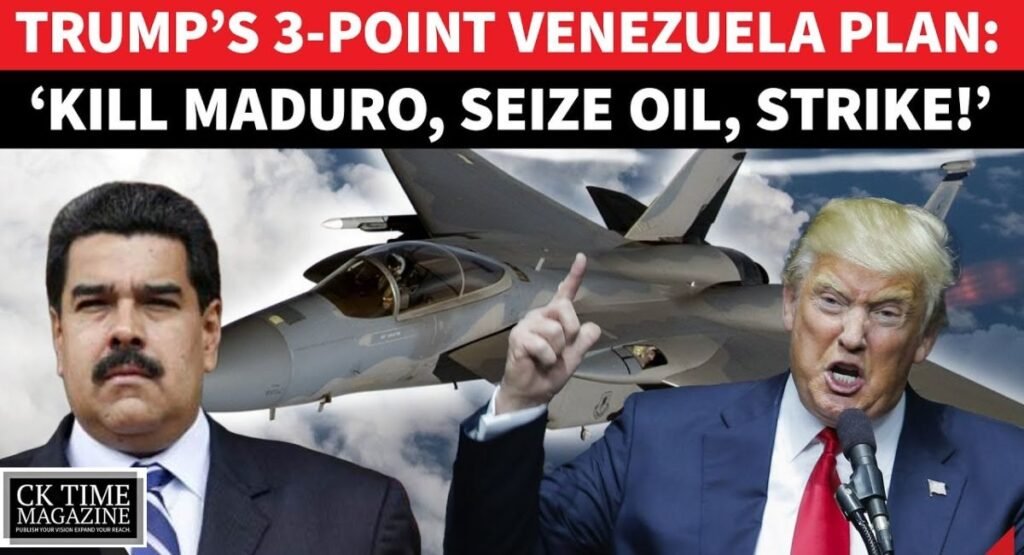
Every geopolitical drama needs a central character. In this one, it’s oil. Venezuela holds the largest proven oil reserves in the world. That fact alone explains sustained global interest.
Oil funds governments. Buys loyalty. Fuels sanctions. Determines alliances. When Trump targets Venezuelan oil, he’s not just talking about barrels. He’s talking about leverage.
Control over oil doesn’t just mean extraction. It means pricing power. Influence over supply. Strategic advantage.
But oil infrastructure in Venezuela is damaged. Years of neglect, sanctions, and brain drain hollowed it out. Control is not simple. It requires investment, stability, and time.
Markets React Before Governments Decide
Financial markets don’t wait for clarity. They react to possibility. The moment the phrase Maduro Faces U.S. Charges as Trump Targets Venezuela Oil entered headlines, traders adjusted positions.
Oil prices flickered. Energy stocks shifted. Latin American currencies felt pressure. Investors hate uncertainty, but they also chase volatility.
This situation offers both.
Latin America’s Uneasy Silence
Regional governments respond carefully. Public statements emphasize sovereignty. Diplomatic restraint. Concern for precedent.
Because this isn’t just about Maduro. It’s about whether powerful nations can legally corner weaker leaders while openly discussing control of resources.
History looms large in Latin America. Intervention memories don’t fade easily.
Venezuelan Citizens: Spectators to Their Own Crisis
For ordinary Venezuelans, this global drama feels distant and painfully close at the same time. They’ve lived through hyperinflation. Food shortages. Blackouts. Mass migration.
Some see U.S. charges as long-overdue accountability. Others fear instability worsening.
Justice abroad doesn’t automatically improve daily life at home.
Media Narratives and Fractured Truths
Coverage varies dramatically. Some outlets portray Maduro as a criminal leader finally cornered. Others emphasize Trump’s aggressive language overshadowing legal integrity.
The keyword Maduro Faces U.S. Charges as Trump Targets Venezuela Oil carries two competing stories. Law. And ambition.
Which story dominates depends on the storyteller.
International Law Under Pressure
International law struggles in moments like this. Sovereignty clashes with accountability. Politics seeps into courtrooms.
If the process appears politicized, legitimacy suffers. If it appears fair, precedent strengthens.
Trump’s rhetoric complicates perception, even if courts remain independent.
Energy Geopolitics Reshaped
Venezuela’s oil future now intersects openly with U.S. domestic politics. Energy independence narratives return. Strategic reserves become talking points.
Global powers watch carefully. Russia. China. OPEC.
Control over Venezuelan oil shifts balances subtly but permanently.
U.S. Domestic Politics and Messaging
Inside the U.S., this story feeds election narratives. Strength versus diplomacy. Accountability versus overreach.
Trump’s framing resonates with his base. It also galvanizes opposition.
Foreign policy becomes simplified. Emotional. Viral.
What Comes After Maduro
Removing a leader doesn’t guarantee stability. Venezuela’s opposition remains fragmented. Institutions weakened.
Transitions are messy. Power vacuums invite competition.
History warns against easy optimism.
Economic Recovery: A Long Road
Rebuilding Venezuela requires more than oil. Infrastructure. Governance. Trust.
Oil revenue alone can’t heal systemic damage.
This moment may open doors. Or close them.
Uncertainty Is the Only Certainty
Legal processes move slowly. Political rhetoric escalates quickly.
Markets adjust. Diplomacy strains.
No clear ending appears.
Final Thoughts
This moment matters because it exposes how thin the line is between justice and power. When Maduro faces U.S. charges, the language of law sounds firm, even righteous. But when Trump openly targets Venezuela’s oil in the same breath, the message becomes complicated. Accountability starts sharing space with ambition. That doesn’t automatically invalidate the case, but it does change how the world hears it. Perception shapes legitimacy. And legitimacy, once questioned, is hard to fully restore.
For Venezuela, this chapter is painful and uncertain. Removing or prosecuting a leader does not repair institutions overnight. It doesn’t refill shelves, stabilize currency, or bring families back together. Oil alone cannot save a country hollowed out by years of mismanagement and distrust. Real recovery requires patience, credibility, and leadership that prioritizes citizens over symbolism. History shows that transitions driven by external pressure often create new problems while solving old ones.
Globally, this story will echo beyond courtrooms and campaign speeches. It signals a return to blunt power politics, where resources are named openly and restraint feels optional. Some will applaud that honesty. Others will fear where it leads. What’s clear is this: the world is watching closely. How justice is pursued, how oil is discussed, and how power is exercised here will shape future conflicts. Loud moments fade. Precedents do not.

2 thoughts on “Maduro Faces U.S. Charges as Trump Targets Venezuela Oil”