



Matarecycler: The Complete Guide to Modern Metal Recycling, Sustainability, and Environmental Impact
Matarecycler is a keyword that immediately connects to the growing global industry of metal recycling, sustainability initiatives, and environmentally responsible waste management. As the world faces increasing pressure to reduce landfill waste, cut carbon emissions, and conserve natural resources, recycling companies and platforms like Matarecycler represent a crucial part of the circular economy. Whether Matarecycler refers to a local recycling business, a regional scrap metal operation, or an emerging recycling brand, the concept behind the name highlights the essential role recycling plays in modern society.
In this comprehensive guide, we explore what Matarecycler represents, how metal recycling works, why it is vital for environmental protection, and how recycling businesses operate in today’s economy.
Understanding Matarecycler and the Recycling Industry
The name Matarecycler suggests a business or platform focused on recycling materials, particularly metals. Metal recycling is one of the most efficient and environmentally impactful forms of recycling. Unlike plastic or paper, metals can be recycled repeatedly without losing their structural integrity or quality. This makes them incredibly valuable in sustainable manufacturing.
Companies operating under names like Matarecycler typically specialize in collecting, processing, sorting, and reselling scrap metal. These materials often come from construction sites, demolished buildings, old vehicles, appliances, industrial waste, and even household items.
The recycling industry has evolved significantly over the last few decades. Modern facilities use advanced machinery to shred, separate, and refine scrap materials. Automation and technology now allow recyclers to identify different metal types with precision, increasing efficiency and profitability.
Why Metal Recycling Matters
Metal recycling is not just a business; it is a cornerstone of environmental sustainability. Extracting raw metal from the earth requires mining operations that consume vast amounts of energy, destroy habitats, and generate greenhouse gas emissions. Recycling metal drastically reduces the need for new mining.
For example, recycling aluminum uses up to 95 percent less energy compared to producing aluminum from raw ore. Steel recycling saves approximately 60 to 70 percent of the energy required for new production. These energy savings translate directly into lower carbon emissions.
Matarecycler, as a concept or business model, contributes to reducing environmental harm while supporting resource conservation. By processing scrap materials and returning them to the manufacturing cycle, recycling companies help close the loop in the supply chain.
How Matarecycler Could Operate
A recycling company like Matarecycler typically follows a structured process. First, scrap metal is collected from various sources. This may include individual sellers, contractors, industrial clients, or municipal programs. The materials are transported to a recycling facility where they are weighed and sorted.
Sorting is one of the most important steps in the recycling process. Metals are divided into ferrous and non-ferrous categories. Ferrous metals contain iron, such as steel and cast iron. Non-ferrous metals include aluminum, copper, brass, and stainless steel. These metals are often more valuable due to their resistance to corrosion and conductivity properties.
Advanced recycling facilities may use magnetic separation, eddy current systems, and optical sensors to separate materials accurately. After sorting, the metals are cleaned and processed into smaller pieces through shredding or melting. The processed material is then sold to manufacturers who use it to produce new products.
Matarecycler, operating within this framework, would play a critical role in the supply chain by converting waste into reusable resources.
Economic Benefits of Recycling Businesses
Recycling companies provide significant economic value. They create jobs in collection, transportation, processing, equipment maintenance, and administrative operations. Additionally, they generate revenue by selling processed materials to manufacturing industries.
The global scrap metal market is valued in the hundreds of billions of dollars annually. Demand remains strong because recycled metal is often cheaper and more sustainable than newly mined material.
A business like Matarecycler can thrive by maintaining competitive pricing, building relationships with suppliers, and investing in efficient technology. Profitability depends on market metal prices, operational efficiency, and regulatory compliance.
Environmental Impact of Matarecycler
The environmental impact of a recycling operation extends beyond energy savings. Recycling reduces landfill waste, prevents soil contamination, and decreases air pollution. Scrap metals left in landfills can corrode over time, releasing harmful substances into the environment.
By collecting and processing these materials responsibly, Matarecycler would help prevent environmental degradation. Recycling also conserves water resources, as metal production from recycled materials requires significantly less water than mining and refining raw ore.
Furthermore, recycling reduces greenhouse gas emissions associated with extraction, transportation, and manufacturing. Every ton of recycled steel prevents approximately 1.5 tons of carbon dioxide emissions.
Community and Social Contributions
Recycling companies often play a strong role in their communities. They provide local employment opportunities and support environmental education initiatives. Schools, municipalities, and community organizations frequently partner with recyclers to promote sustainability programs.
Matarecycler could serve as a community hub for responsible waste disposal. By offering convenient drop-off services and transparent pricing, it encourages residents and businesses to recycle rather than discard valuable materials.
In many regions, recycling companies also participate in charitable initiatives, environmental campaigns, and public awareness programs. Their presence reinforces the importance of sustainable living.
Challenges Facing the Recycling Industry
While the recycling industry offers significant benefits, it also faces challenges. Fluctuating metal prices can impact profitability. Global market conditions, trade policies, and supply chain disruptions influence scrap metal demand.
Contamination is another challenge. Mixed or improperly sorted materials reduce efficiency and increase processing costs. Recycling facilities must invest in quality control measures to maintain high standards.
Environmental regulations also require compliance with safety and pollution control guidelines. Recycling plants must manage emissions, noise levels, and waste byproducts responsibly.
For Matarecycler to succeed long term, it would need to adapt to market changes, invest in technology, and maintain regulatory compliance.
The Role of Technology in Modern Recycling
Technology has transformed the recycling sector. Automated sorting systems, artificial intelligence, and advanced sensors have increased accuracy and reduced labor-intensive processes.
Matarecycler could benefit from adopting digital inventory systems, real-time price tracking, and automated weighing mechanisms. These tools improve operational transparency and customer trust.
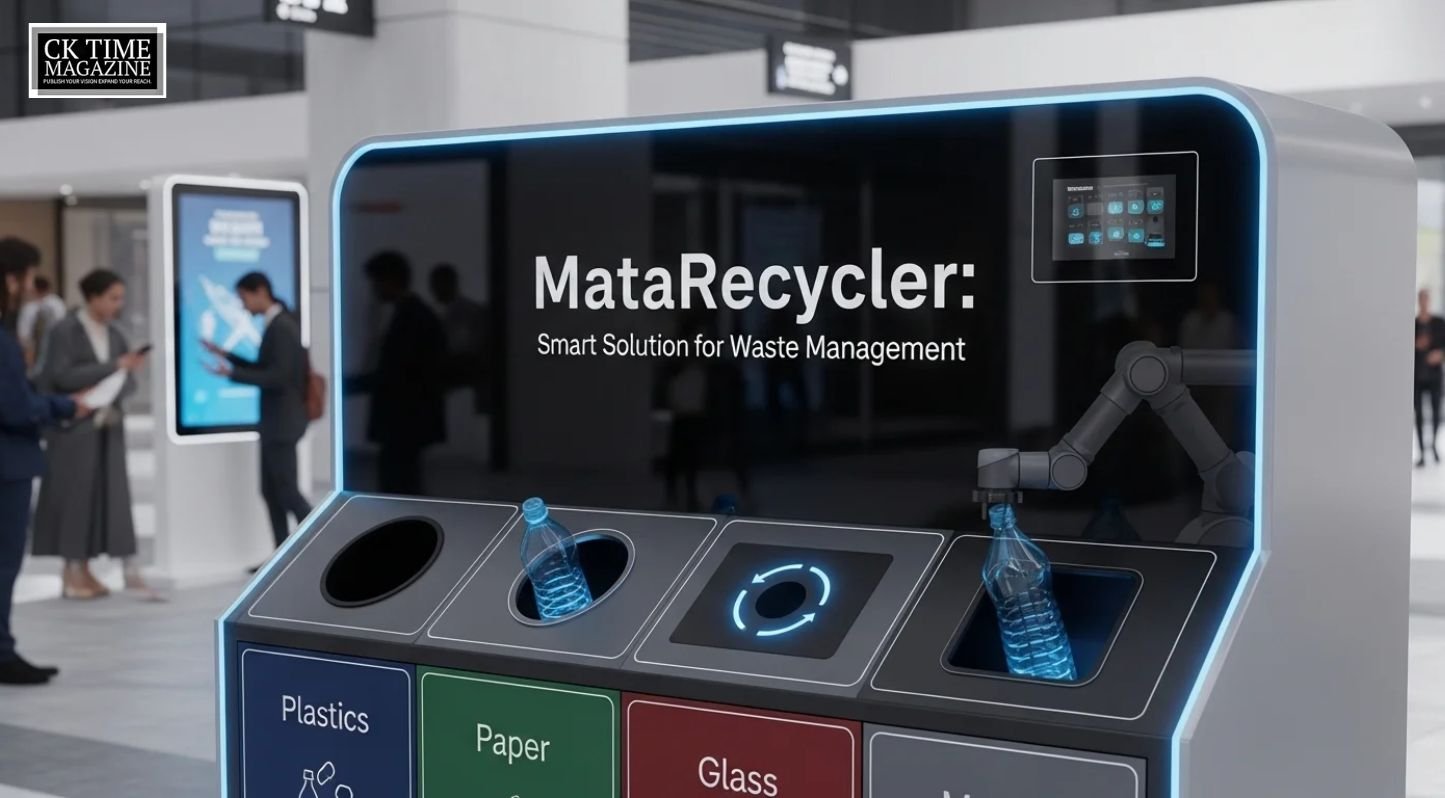
Innovations such as robotic sorting arms and machine learning algorithms are becoming increasingly common in advanced recycling facilities. These systems identify materials based on density, color, and conductivity, enhancing efficiency and output quality.
Technology also improves safety standards, reducing workplace accidents and ensuring compliance with environmental regulations.
Sustainability and the Circular Economy
The circular economy is a system where materials are reused, repaired, refurbished, and recycled rather than discarded. Metal recycling is a core component of this model.
Matarecycler supports the circular economy by transforming waste into raw material for new production cycles. This reduces reliance on natural resources and promotes long-term sustainability.
Governments and corporations worldwide are committing to sustainability targets, including carbon neutrality goals. Recycling companies contribute significantly to achieving these objectives.
By operating responsibly and efficiently, Matarecycler aligns with global sustainability efforts and environmental responsibility.
How Individuals Can Support Recycling Efforts
Individuals play an important role in supporting recycling initiatives. Properly sorting household waste, selling scrap metal responsibly, and choosing products made from recycled materials contribute to sustainability.
If Matarecycler operates locally, residents can support it by utilizing its services rather than sending recyclable materials to landfills. Businesses can partner with recycling companies to manage industrial waste more effectively.
Public awareness is key to maximizing recycling efficiency. The more informed consumers are, the greater the environmental impact.
Future Outlook for Matarecycler
The future of recycling businesses remains promising. As environmental awareness grows and regulations tighten, demand for sustainable solutions increases.
Matarecycler could expand services into electronic waste recycling, battery recycling, and renewable energy material processing. These sectors are experiencing rapid growth due to technological advancement and environmental policy shifts.
Electric vehicle production, for example, requires large amounts of recyclable metals. Renewable energy infrastructure also depends heavily on steel and aluminum. Recycling companies are positioned to meet this demand.
With proper management, technological investment, and community engagement, Matarecycler can remain competitive in a rapidly evolving industry.
Conclusion
Matarecycler represents more than just a recycling operation. It symbolizes the shift toward sustainability, resource conservation, and environmental responsibility. Metal recycling plays a crucial role in reducing energy consumption, lowering emissions, and supporting the global circular economy.
Through efficient collection, advanced processing, and responsible environmental practices, a recycling business like Matarecycler contributes to economic growth while protecting the planet. As demand for sustainable solutions continues to rise, recycling companies will remain at the forefront of environmental innovation.
By supporting recycling initiatives, investing in technology, and promoting community awareness, Matarecycler can help shape a cleaner, greener future for generations to come.