



Power Tool Battery Standardization: The Long Road Toward a Universal Cordless Future
Introduction: Why Power Tool Battery Standardization Matters More Than Ever
Power tool battery standardization has slowly moved from a niche industry discussion to a real-world frustration felt by professionals, contractors, and everyday DIY users alike, because as cordless tools have taken over garages, workshops, and construction sites, the battery has become the single most important component in any power tool system, often costing as much as the tool itself and determining how long, how hard, and how reliably work can be done, yet despite massive advances in lithium-ion technology, the industry remains fragmented, forcing users to juggle multiple batteries, chargers, and incompatible platforms that look similar but refuse to work together, and this growing disconnect between technological capability and market reality is exactly why power tool battery standardization is now being discussed as a necessary evolution rather than a convenient option, especially in a world where efficiency, sustainability, and cost control matter more than brand loyalty alone.
Understanding Power Tool Battery Standardization
At its simplest level, power tool battery standardization refers to the creation of common battery designs that can be used across multiple tools and potentially across multiple brands without modification or risk, meaning shared voltage classes, consistent physical connectors, unified charging systems, and compatible communication protocols that allow the battery and tool to work together safely and efficiently, but while the concept sounds straightforward, the execution is layered with technical, commercial, and strategic challenges that have prevented true standardization from becoming widespread, even though many modern batteries already share similar cell structures, chemistries, and output capabilities, making the lack of compatibility feel intentional rather than unavoidable to many users who simply want one reliable battery system that works everywhere.
The Current Cordless Tool Battery Landscape
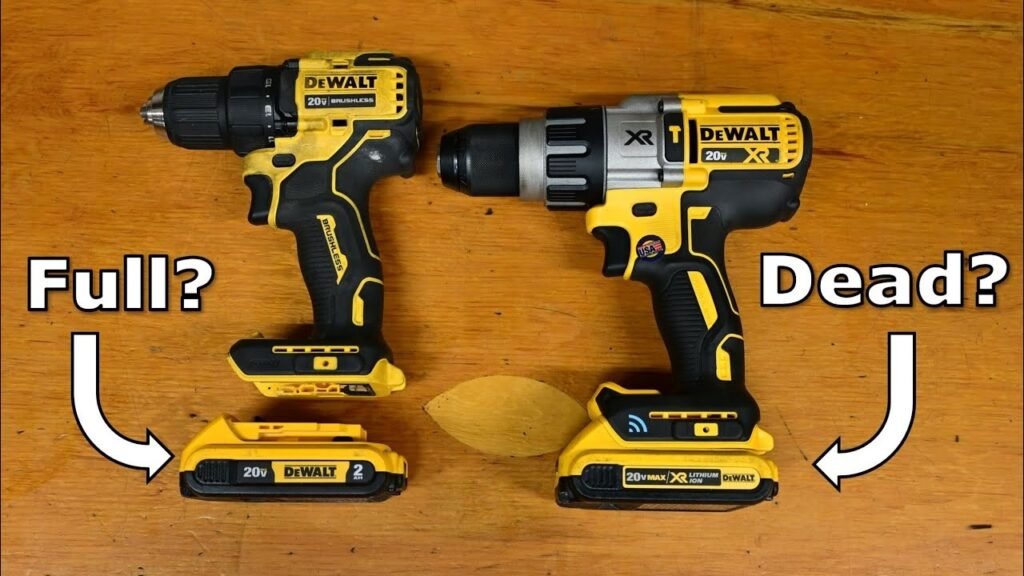
The modern power tool market is dominated by proprietary battery ecosystems, where each major manufacturer offers its own lineup of batteries, chargers, and compatible tools designed specifically to keep users within that brand’s universe, and while these ecosystems are often marketed as complete solutions optimized for performance and safety, the reality is that most brands operate within the same voltage ranges, such as 12V for compact tools, 18V or 20V max for professional-grade equipment, and higher-voltage platforms for demanding applications like concrete cutting or outdoor power equipment, yet even when voltage ratings are identical, the batteries are physically incompatible due to unique rail designs, locking mechanisms, and internal electronics that prevent cross-brand use, creating a market where users may own five batteries that perform nearly the same function but cannot substitute for one another in any meaningful way.
Brand Lock-In and Its Impact on Users
One of the biggest barriers to power tool battery standardization is brand lock-in, a deliberate strategy that benefits manufacturers by encouraging long-term customer loyalty through battery dependence rather than tool performance alone, because once a user invests heavily in a battery platform, switching brands becomes costly and inconvenient, often requiring the replacement of chargers and batteries that still function perfectly, which discourages experimentation and competition while quietly increasing the total cost of ownership for users over time, and although many professionals accept this trade-off for perceived reliability or familiarity, the system disproportionately affects casual users and small contractors who may not have the budget to maintain multiple battery platforms just to access specific tools from different manufacturers.
Technical Challenges Behind Battery Compatibility
From an engineering perspective, power tool battery standardization is not entirely without obstacles, as cordless tools draw high levels of current, generate significant heat, and operate under heavy loads that demand precise power management and safety controls, requiring batteries to communicate with tools to regulate output, monitor temperature, and prevent damage or failure, and while proprietary systems allow manufacturers to tightly integrate these protections, advances in battery management systems and smart electronics have made it increasingly feasible to design standardized platforms that can adapt dynamically to different tools without sacrificing safety or performance, suggesting that technical limitations are no longer the primary reason standardization has stalled.
Performance Myths and Realities
A common argument against power tool battery standardization is that shared batteries would limit performance or prevent innovation, yet real-world evidence suggests otherwise, as battery cells themselves are often sourced from the same suppliers across brands, using similar chemistries and capacities, and performance differences are more often the result of motor design, electronic control systems, and tool ergonomics rather than battery exclusivity alone, meaning that standardization at the battery level does not inherently reduce innovation but could instead allow manufacturers to focus more energy on improving tool functionality, durability, and user experience rather than maintaining isolated power platforms that duplicate existing technology.
Environmental Implications of Battery Fragmentation
One of the most compelling arguments for power tool battery standardization lies in its environmental impact, because lithium-ion batteries require extensive mining and processing of materials such as lithium, cobalt, and nickel, all of which have significant environmental and ethical implications, and when users discard functional batteries due to incompatibility rather than failure, the result is increased electronic waste and unnecessary resource consumption, whereas standardized battery systems could dramatically extend battery lifespans by allowing packs to remain useful across multiple tools, brands, and generations, reducing waste while aligning the power tool industry with broader sustainability goals that are becoming increasingly important to consumers and regulators alike.
Industry Attempts at Shared Battery Platforms
Despite widespread resistance, there have been notable attempts to move toward power tool battery standardization through alliance-based systems, where multiple manufacturers agree to share a common battery platform while maintaining independent tool designs and brand identities, and while these efforts have proven that cross-brand compatibility is possible without eliminating competition, adoption remains slow due to concerns over intellectual property, quality control, and market differentiation, yet these early collaborations suggest a potential roadmap for the future, where shared standards coexist with brand-specific innovation rather than replacing it entirely.
Professional vs DIY Perspectives on Standardization
The reception of power tool battery standardization varies significantly between professional users and DIY enthusiasts, as professionals tend to prioritize reliability, uptime, and proven performance over flexibility, making them cautious about adopting shared systems that might introduce unknown variables on critical job sites, while DIY users often value convenience, affordability, and storage efficiency more highly, making standardized batteries particularly attractive for home workshops where space and budget are limited, and this divide influences how quickly standardization can gain traction, as widespread professional acceptance often sets the tone for industry-wide change.
The Role of Regulation and Market Pressure
External pressure may ultimately play a key role in accelerating power tool battery standardization, whether through regulatory initiatives focused on reducing electronic waste or through market forces driven by consumer demand for compatibility and sustainability, as seen in other industries where standard charging interfaces became mandatory after years of fragmentation, and while power tools present unique safety considerations due to their high power output, the principle remains the same, as standardization can coexist with strict safety standards when implemented thoughtfully and collaboratively across the industry.
The Future of Power Tool Battery Standardization
Looking ahead, the most realistic future for power tool battery standardization is not a single universal battery that fits every tool, but rather a series of shared standards based on voltage classes, communication protocols, and charging systems that allow broad compatibility without sacrificing performance or safety, creating an ecosystem where users can mix and match tools more freely while manufacturers retain the ability to innovate and differentiate their products, and as battery technology continues to improve alongside growing environmental and economic pressures, the question is no longer whether standardization will happen, but how quickly the industry will adapt to meet changing expectations.
Conclusion: A Necessary Evolution, Not a Threat
Power tool battery standardization represents a necessary evolution in an industry that has long relied on fragmentation as a business strategy, offering a path toward greater efficiency, sustainability, and user freedom without undermining innovation or performance, and while resistance remains strong, the benefits for users, manufacturers, and the environment are becoming increasingly difficult to ignore, making it clear that a future built around shared power systems is not just possible, but inevitable, as the demand for smarter, cleaner, and more user-focused cordless tools continues to grow.

One thought on “Power Tool Battery Standardization: The Long Road Toward a Universal Cordless Future”